 By Dr Prashant Singh
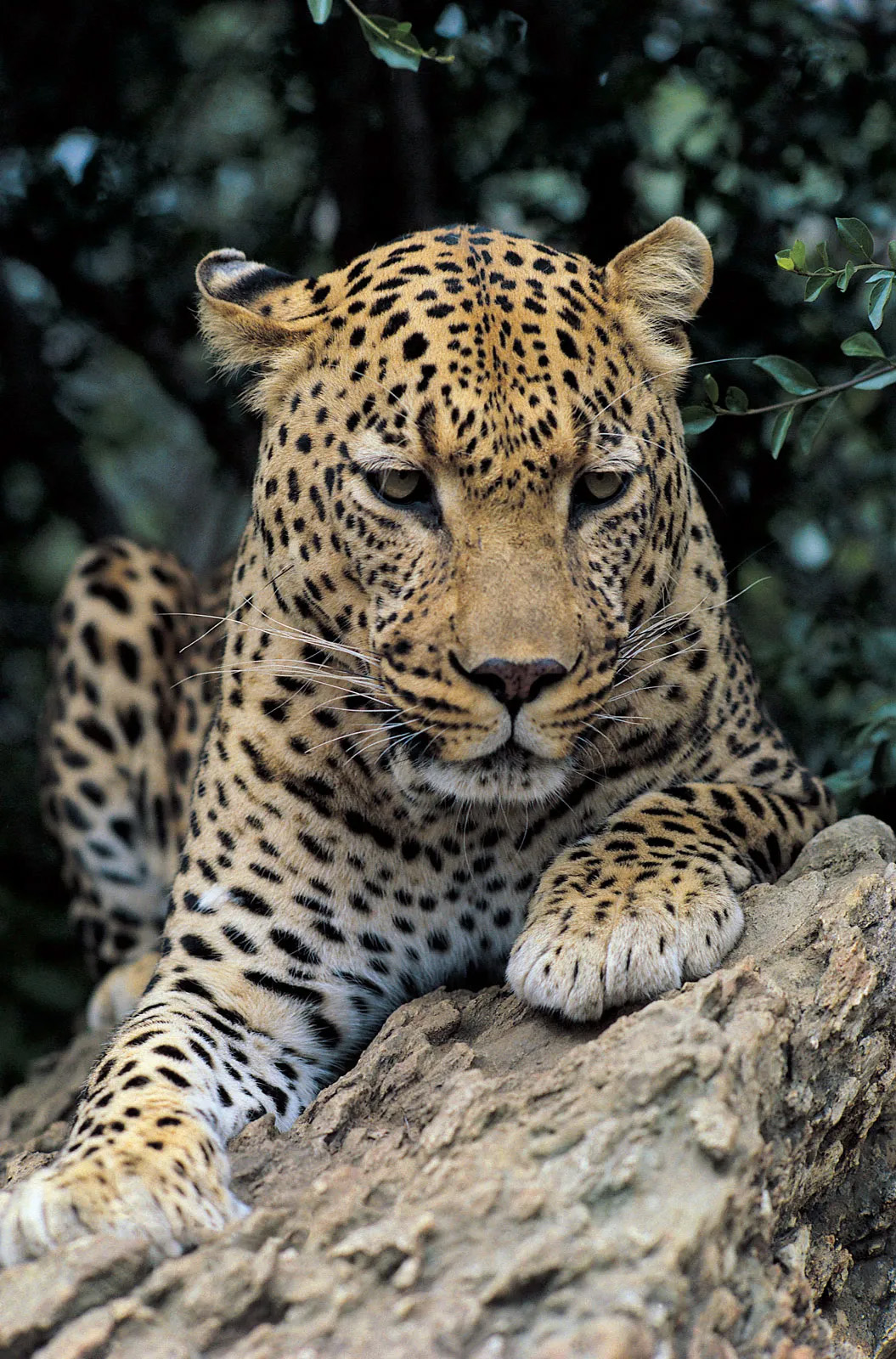
Leopard! A big cat known for its agility, strength, grace and ability to camouflage itself. The most versatile and adaptive amongst its more glamorous cousins – the tiger and the lion. Yet, a truly beautiful and majestic beast. With loss of habitat and ever-increasing human population in India, this animal often comes in conflict with humans. This conflict is not new to Dehradun. Previously, we have had human deaths due to leopard attacks in Jhajhra, Chandmari, Birori, Fulsani and the Forest Research Institute. I have been actively involved in all these conflicts. The recent incidents have given rise to panic and fear in the city. Dehradun is surrounded by forests and has a healthy population of leopards.
Leopard attacks usually start during the monsoon season. The dry ground is replaced by thick undergrowth which provides adequate cover for leopards. Leopards mostly operate from dusk to dawn. As winter sets in and nights get longer, these big cat gets more time to venture out into the suburban / urban surroundings. The main prey base (up to 90% of the diet) for these leopards is stray dogs and feral cattle. On an average, a leopard needs a dog size meal a week. Good protection within protected forests and a regular supply of stray dogs and feral cows has increased their population much beyond the carrying capacity. As a result, the surplus animals move out to explore and carve out new territory.
Contrary to what Corbett wrote in his book, ‘The Maneaters of Kumaon’, where he blamed 9 out of 10 tigers turning maneater due to injury and the tenth due to old age, today’s maneaters are mostly healthy individuals in prime age. We have to understand the reason behind the change. When Corbett was hunting maneaters a century ago, India extended from the borders of Afghanistan all the way to Burma with a population of less than 30 crores. Today, with Pakistan, Bangladesh and Burma gone, we are a much smaller nation with a human population of over 140 crores. Imagine the pressure on our natural resources and wildlife! As a result, we not only find injured and old but also healthy and young big cats coming into conflict across India. Our forests just don’t have the space to keep all these animals. Their population has increased way beyond the carrying capacity of the areas they live in.
If someone asks me, ‘Do we have enough leopards?’ I will confidently say: YES. In fact, much more than enough.
“There are three resident leopards in FRI. One male and two females. There is also a fourth male leopard who visits occasionally. I have photographed them on Camera Traps and have even named them,” said IFS officer Kunal Satyarthi, the then Estate Manager, FRI, when I first met him after a leopard had killed a teenage girl on campus.
“There are six leopards on campus, including a female with two cubs,” said Akash Verma, DFO, Haridwar, while dealing with the BHEL man-eating leopard.
It’s the same story everywhere across Uttarakhand. The leopard population is much higher than the official numbers and leopards are not a threatened species in the state. When we talk about conservation, we should think about the species, not an individual. In such conflict situations, the conflict animal should be removed as soon as possible. If captured, good enough; if not we should not shy away from shooting it. Human life should be secured at the earliest.
Killing a majestic big cat like a leopard is always sad!
IFS officer MD Chaturvedi explains it beautifully in his book – Panther on the Prowl. ‘There are only two tragedies in the life of a sportsman, one not getting the trophy he wants and the other more serious one, getting it. There is nothing so heartbreaking as finding the handsomest of God’s creation lying at your feet reduced to a stinking mass of flesh.’
It’s the same emotion every hunter goes through when he squeezes the trigger and takes the life of such a beautiful animal. The only consolation being that no more human lives will be lost.
Culling is an integral part of Wildlife Management and it’s time we Indians start to understand it. The price for conservation is paid by the poorest of the poor, who share their habitat with wild animals. Would our perspective not change if the same maneater was in our backyard? How would we react if the animal (God forbid) killed one of our own family members? Time for us to think and act accordingly.
(Dr Prashant Singh is a dentist by profession with a keen interest in wildlife management. He belongs to Dehradun and moved to Vancouver, Canada, in December 2022)