Garhwal Post Bureau
DEHRADUN, 28 Feb: Doon University hosted Prof. Kanhaiya Tripathi, Special Monitor of the National Human Rights Commission (NHRC), during his official visit Saturday to review institutional mechanisms related to human rights, gender sensitivity, and educational governance.
Prof. Tripathi held a detailed review meeting at Doon University in the presence of Vice Chancellor Surekha Dangwal and other senior faculty members and committee representatives responsible for gender issues, grievance redressal, student welfare, campus security and social inclusion. The meeting was coordinated by Registrar Durgesh Dimri.
During the interaction, the Vice Chancellor presented an overview of the University’s academic and administrative initiatives over the past five years, highlighting sustained efforts toward women’s empowerment, gender sensitization, and inclusive campus governance. Representatives of various institutional committees briefed the NHRC Special Monitor on their roles, operational mechanisms, and ongoing activities to safeguard student welfare and uphold human rights standards within the campus.
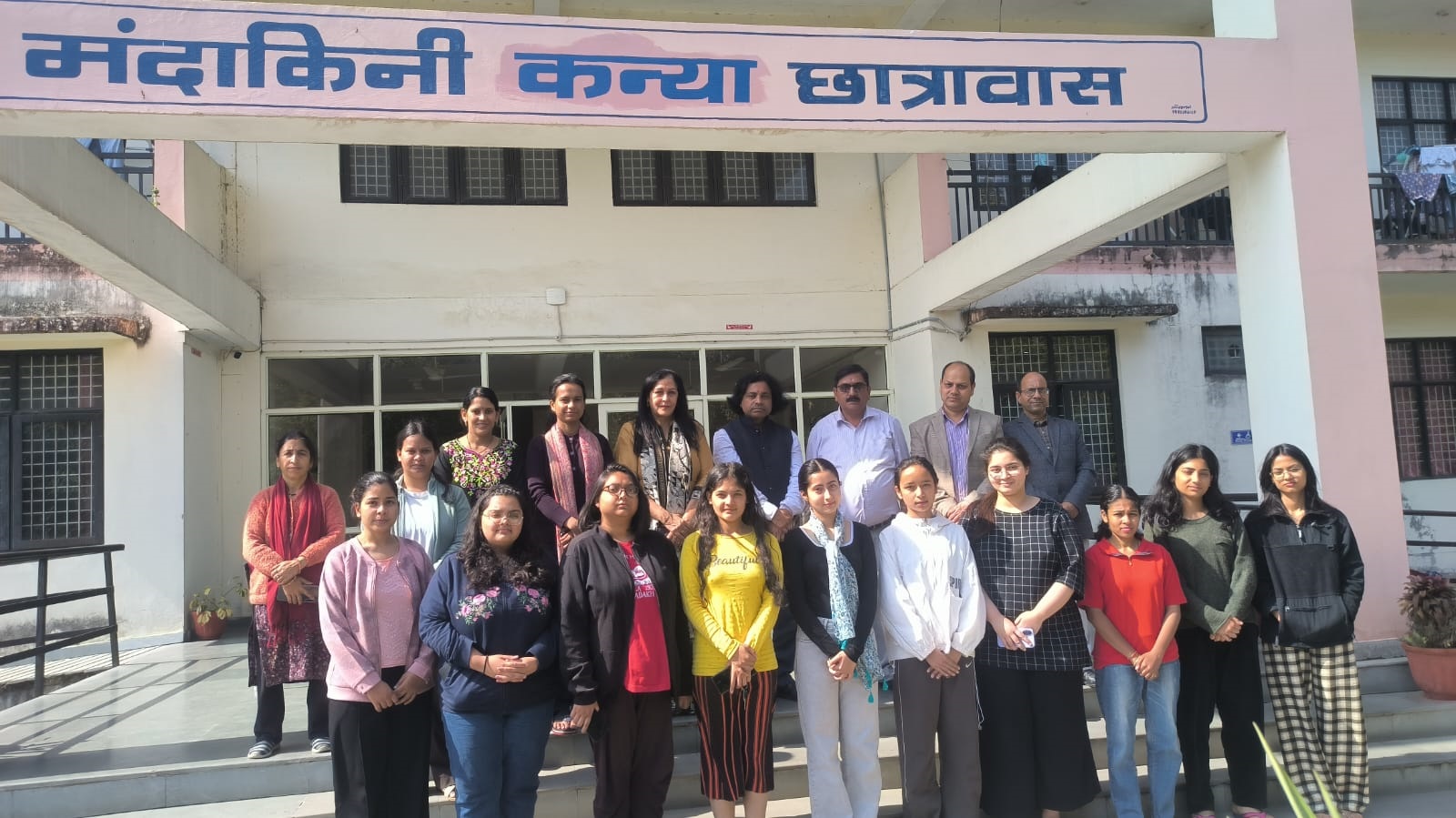
As part of the visit, Prof Tripathi also held separate meetings with several institutional committee representatives and students’ representatives. He also inspected university hostel facilities and interacted directly with resident students, wardens, and caretakers. While expressing satisfaction with overall hostel arrangements, he suggested revisiting the existing tender (L-1) procurement process to further improve food quality and student services.
Appreciating the University’s commitment to gender equality and inclusive education, Prof Tripathi offered several recommendations to strengthen human rights education and awareness. These included the establishment of a Human Rights Club led by students, creation of a Human Rights Cell for awareness and capacity-building, and exploring the possibility of introducing academic programmes in Human Rights, including interdisciplinary courses and research initiatives. He also recommended enhanced health awareness programmes through voluntary engagement with medical professionals, wider dissemination of women’s helpline information across campus, and structured observance of International Women’s Day and Human Rights Day through academic and cultural activities.
The Special Monitor further emphasized institutional support for marginalized groups, including LGBTQ students and persons with disabilities, expansion of community outreach programmes such as student visits to old-age homes, and ensuring timely administrative processes related to promotions, salaries, fellowships, and scholarships.
In her concluding remarks, the Vice Chancellor reaffirmed the University’s commitment to human rights values and informed that most recommendations are already aligned with existing institutional practices, while new initiatives suggested during the visit would be implemented at the earliest.
The visit reaffirmed Doon University’s ongoing engagement with national human rights frameworks and its commitment to strengthening education through inclusion, equity, and participatory governance.