By Arun Pratap Singh
Garhwal Post Bureau
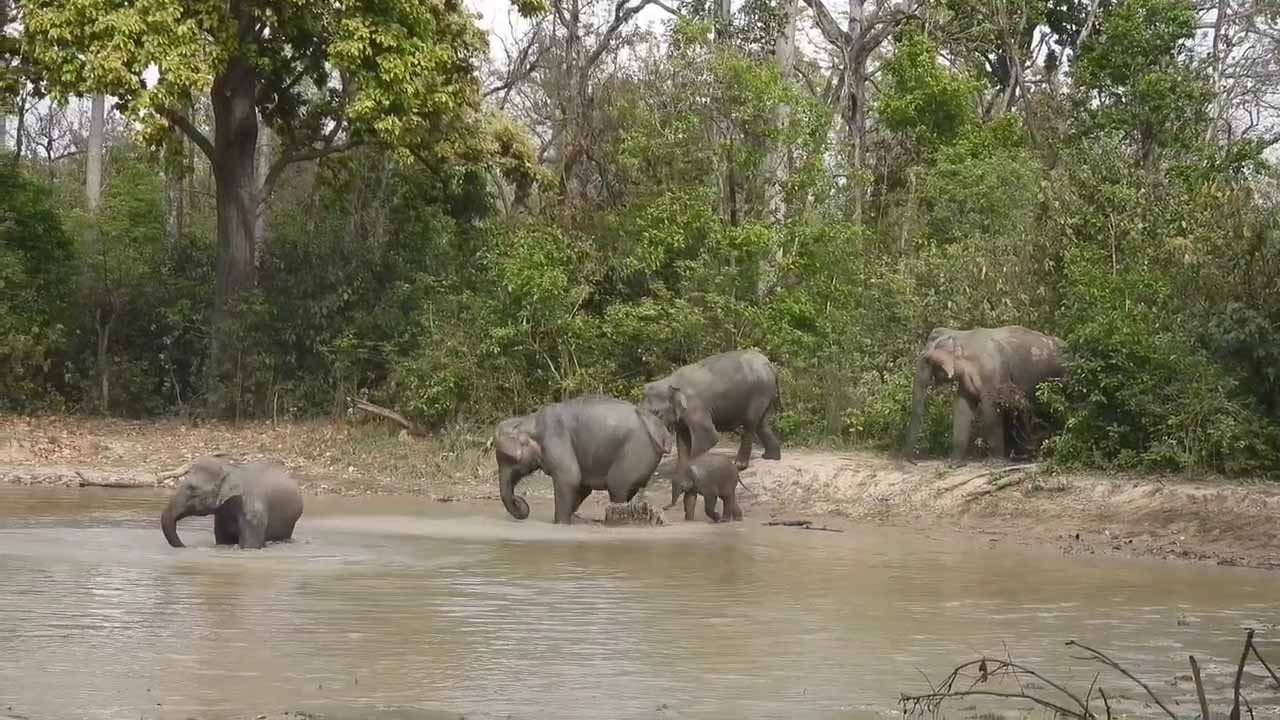
Dehradun, 26 May: A special campaign to enumerate elephants was launched today in Rajaji Tiger Reserve and also in the world-famous Corbett Tiger Reserve. The census exercise at both the parks is expected to be completed by 30 May. Last known figures of elephants at Corbett Tiger Reserve are 1226 while at Rajaji, it is 311. More than 150 forest personnel and experts have been deployed for the task at Corbett. Corbett Tiger Reserve generally deploys a much larger workforce for elephant and tiger census operations because of its bigger staff strength, larger tourism infrastructure and denser wildlife monitoring network as well as in view of larger population of elephants as compared to Rajaji Park. Alongside tigers, elephants are regularly counted in Corbett as well as Rajaji National Parks. According to Corbett park records, the 2015 census had registered around 850 elephants in the Corbett landscape, while the 2020 census showed a rise to over 1,226. This year’s census is therefore considered particularly significant.
Meanwhile, speaking to Garhwal Post, Director of Rajaji National Park, Koko Rose said that, in the last census, around 311 elephants were counted to be at Rajaji and he expressed hope that the present census will reveal a higher count of elephants at the Rajaji National Park.
At the same time, Corbett Tiger Reserve Director Saket Badola said that the last census had recorded more than 1,220 elephants across the landscape. He added that special training has been imparted to forest staff before the exercise began to ensure greater accuracy in data collection. All figures gathered during the census will be sent to WII, which will use them to estimate the actual elephant population across Uttarakhand. The park administration further stated that the census is being conducted scientifically with the support of the Wildlife Institute of India (WII). Separate teams have been formed for each range, comprising forest staff and WII researchers. These teams will prepare detailed records of elephant movements, herd sizes and habitats.
The campaign is expected to play a crucial role in wildlife conservation and the management of safe habitats for elephants both at Corbett and Rajaji. The rising elephant population in Corbett is seen as a success of conservation efforts, which is why this census is being closely monitored by both the Forest Department and wildlife experts.
The officials noted that the previous census had recorded more than 3,500 elephants across the state, with Corbett alone accounting for 1,226 and Rajaji accounted for 311. With improved forest conditions, adequate food and secure habitats, the number is expected to rise further at both the parks and in the buffer zones. Teams stationed across different beats are keeping close watch on elephant movements and groups, with wildlife enthusiasts and experts hopeful that this year’s figures will surpass earlier records.
The census, continuing until 30 May, has engaged forest staff, officers and experts in sustained monitoring across jungle areas to gather comprehensive data. Forest officials believe that the improved environment in the forests, availability of food and secure habitats will contribute to an increase in elephant numbers. Wildlife lovers and experts also expect that the census will reveal a higher population in Corbett compared to previous years, with teams across the reserve maintaining close watch on elephant herds and their movements.