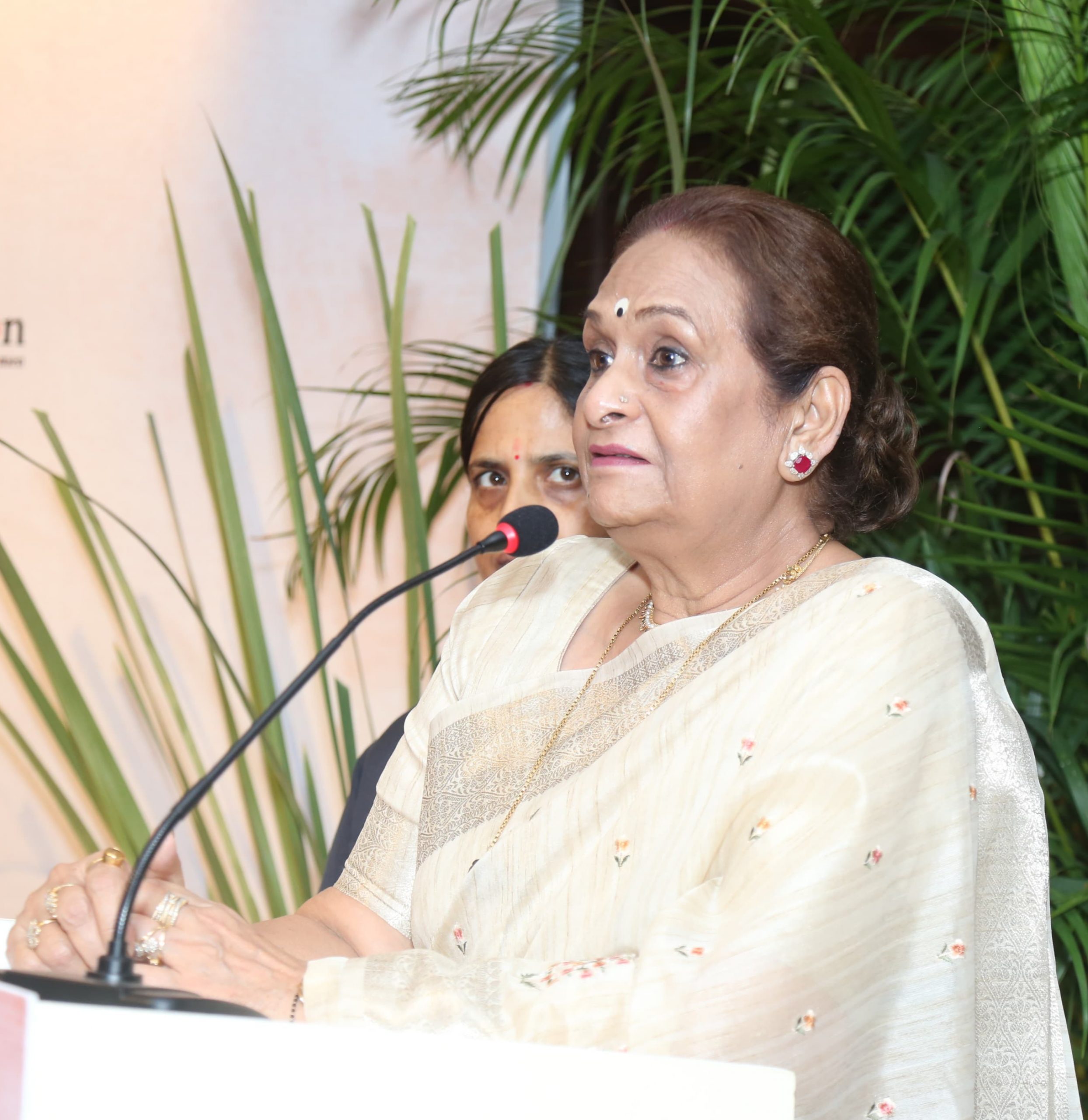
By Anuraag Chauhan
Handloom has always been more than fabric. Every weave carries the memory of a place, the skill of an artisan and the quiet resilience of communities that have kept India’s textile traditions alive for centuries. As conversations around sustainability and conscious consumption gather momentum, preserving these traditions is no longer an exercise in nostalgia but an investment in the future.
It was this idea that shaped the second day of The Loom Collective, presented by Ariyana Creations in collaboration with FICCI FLO Uttarakhand. Titled Collective Conversations: Loom, Dye and Difference, the concluding day brought together designers, entrepreneurs, artisans, policymakers and changemakers to explore how India’s textile legacy can remain relevant in a rapidly changing world.

Moderated by Garhwal Post, Editor and Publisher, Satish Sharma, the discussion moved beyond celebrating craftsmanship to addressing the realities that shape it. Observing that society has gradually forgotten the value of listening to people’s stories, Sharma remarked that the journeys shared over the two days were as significant as the crafts themselves. He encouraged the audience to engage with these narratives and expressed hope that The Loom Collective would evolve into an even larger platform in the years ahead. Throughout the session, he seamlessly connected perspectives from government, designers, entrepreneurs and artisans, ensuring an engaging and inclusive dialogue. Textile designer and Ministry of Textiles empanelled designer Aayushi Gupta emphasised stronger collaboration between designers and artisans, advocating artisan identity cards and greater institutional support to strengthen the sector. Social entrepreneur Kavita Chaturvedi drew attention to the close relationship between livestock health and Uttarakhand’s wool economy, stressing that sustained handholding for village communities could ensure the state’s rich wool weaving traditions never become history. 
Sharing her journey from the hills of Kumaon, Mukti Datta, Founder of the Panchachuli Women Weavers Cooperative, demonstrated how indigenous wool and natural dyes offer a sustainable alternative to chemical based production, reminding the audience that nature has long provided everything needed to create beautiful textiles. Mirasa Co Founder Bindu Nagalia spoke about modernising handloom without compromising its authenticity, while Rajat Shakti, Co Founder of Sari Thon and State and Station Head of Red FM Uttarakhand, reflected on how media can amplify the voices of artisans while creating greater commercial visibility for their work.
The conversations found a practical expression in an engaging saree draping workshop by stylist Ritu Gautam, who demonstrated how the timeless six yard sari can be styled in contemporary ways without losing its elegance or cultural identity, celebrating the remarkable versatility of one of India’s most enduring garments.
Delivering the keynote address, Uttarakhand First Lady Gurmeet Kaur urged the gathering to move beyond conversations and towards action. Recalling her childhood in Punjab, where handloom was part of everyday life, and reflecting on her travels across the country as the wife of an Army officer and now the Governor of Uttarakhand, she shared that the first people she seeks out wherever she travels are local artisans. Calling upon institutions and individuals alike to become active custodians of India’s craft traditions, she appealed to Chief Secretary Anand Bardhan to strengthen support for the sector. Responding to her appeal, the Chief Secretary assured the gathering that the state government would take every possible step to promote handloom, strengthen artisan livelihoods and preserve Uttarakhand’s rich textile heritage.
The event concluded with a vote of thanks by Rashmi Bardhan, Founder of Ariyana Creations, who reflected on the organisation’s two year journey and reaffirmed its commitment to creating platforms that bring artisans, designers and communities together.
As The Loom Collective drew to a close, it left behind more than a celebration of textiles. It reinforced a simple yet enduring truth: the future of India’s handloom tradition will be shaped not only by the hands that weave it, but also by those who choose to value and sustain it.