Garhwal Post Bureau
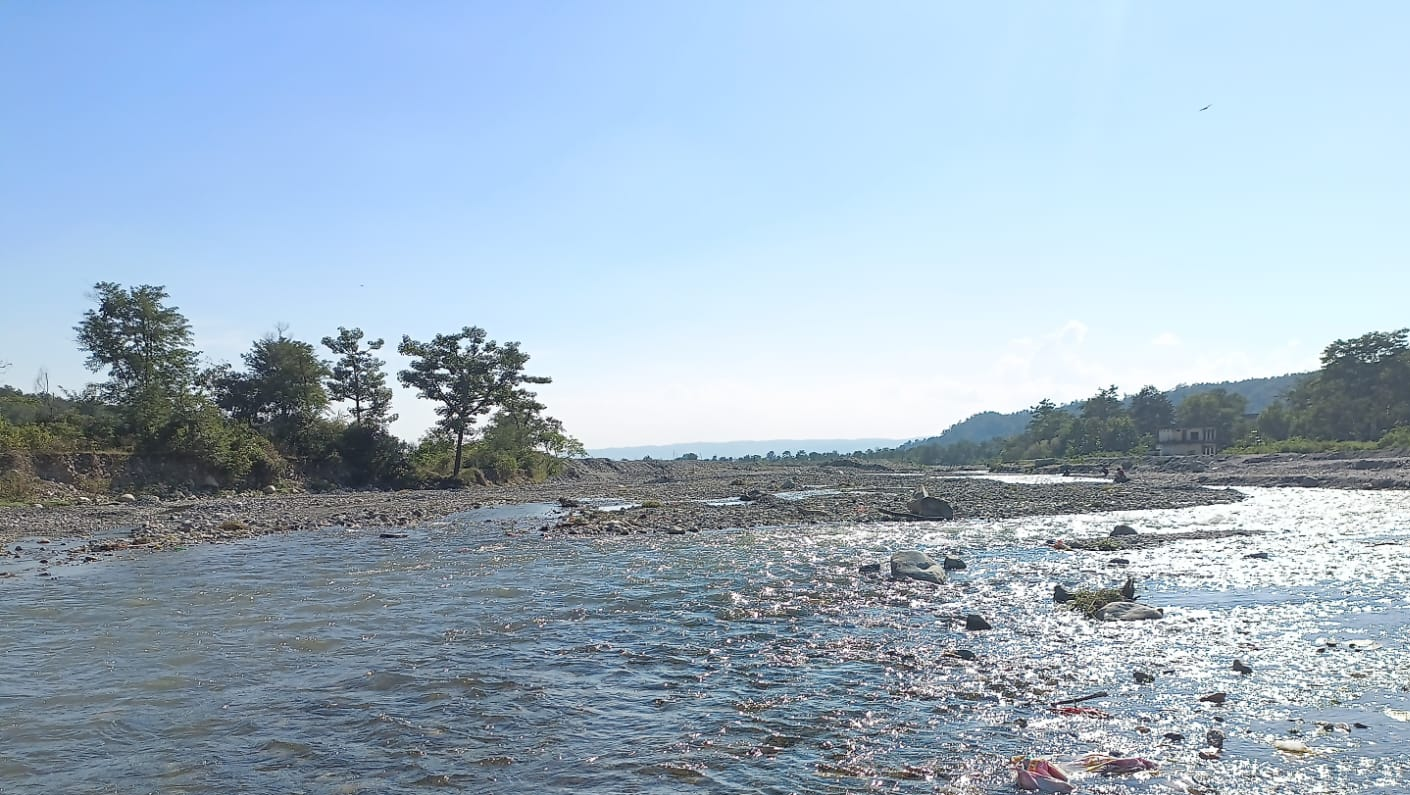
Dehradun, 4 Nov: An initiative has been launched to better understand and conserve the Song River, regarded as the principal lifeline of the eastern Doon Valley. Under the Spring and River Rejuvenation Authority (SARRA), Uttarakhand, a bioindicator project has commenced in the Song River basin to scientifically assess the river’s ecological condition and the factors affecting it.
The primary objective of the project is to undertake a rapid assessment of water quality, riparian habitats and the impact of human pressures through biological indicators. The study will be conducted under the guidance of former Senior Professor and Scientist ‘G’ at the Wildlife Institute of India (WII), Dr VP Uniyal.
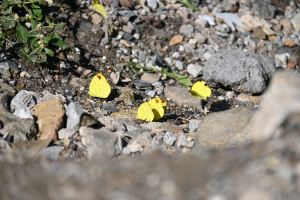
As part of the study, researchers will examine five key biological groups that serve as indicators of the river’s ecological health. Aquatic macroinvertebrates, including insects and their larvae, will be studied because of their high sensitivity to water pollution. Butterflies and wild bees will be monitored to assess the condition of riverbank vegetation and pollination processes. Dragonflies and damselflies (Odonata) will be observed as indicators of water quality and the condition of riverbank habitats. Bird species will also be surveyed, as they provide a broader picture of the overall health of the riverine corridor.
The research will cover nearly 80 kilometres of the Song River, from its origin at Kaddukhal near Surkanda Temple in Tehri district to its confluence with the Ganga near Tehri Farm in Dehradun district. For the purpose of the study, the river has been divided into three zones, namely the upper, the middle and the lower stretches. A total of 36 permanent sampling stations, with 12 stations in each zone, will be established for detailed field surveys.
Fieldwork will be carried out during two distinct seasonal phases between November and April, covering both the post-monsoon and pre-monsoon periods. This six-month project is expected to generate a comprehensive baseline database on the ecological condition of the Song River.
It is expected that the findings will help in accurately assessing the potential impacts of the proposed Song Dam, mining activities and increasing urbanisation on the river ecosystem. The study is also expected to provide a scientific foundation for formulating effective conservation strategies and policies aimed at protecting and restoring the Song River and its associated biodiversity.