Around the World with the Most Travelled Indian
 By Nitin Gairola
Till July 1911, one of the seven manmade wonders of the world, Machu Picchu, was not known to the outside world. That changed when American archaeologist, explorer and Yale University lecturer, Hiram Bingham made his way to Peru in his quest to find the lost cities of the Incas, around 4 centuries after they were raided by the Spanish conquerors of the ‘New World’ (i.e. the yet undiscovered world of North & South America). As some may know, the dismantling of the Incan Empire of Peru in South America was led by Francisco Pizarro of Spain, who was in search of vast gold treasures that were held by the mighty Incans.
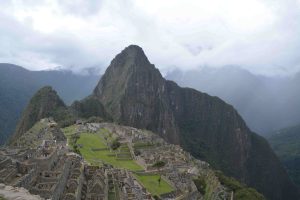
And so, in search of these (mythical) lost Incan cities in the early 1900s, what Bingham stumbled upon was the now iconic mountain retreat of the Incan elite, the ruling class. Bingham was later funded by the National Geographic Society for further archeological work at the site and nearby in the Sacred Valley. While there is still some mystery about why Machu Picchu was built, it is clear that it wasn’t a fort but more of a recreation centre for the kings – A place above the clouds, one ‘fit for the Gods’. And suitably for the time, this Incan masterpiece was also used for ceremonies and sacrifices.
What this ‘turn of the 20th century’ discovery by the lecturer-explorer also did was to strike the imagination of the aspiring young readers and dreamers. He was one of the last great adventure-intellectuals and his character has been recreated indirectly in the Indiana Jones series and this has made subjects like Archeology and Paleoanthropology, glamorous and aspirational.
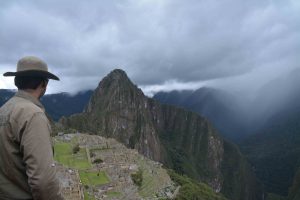
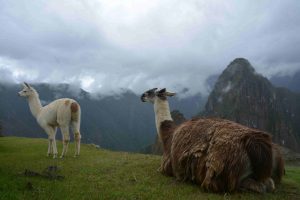
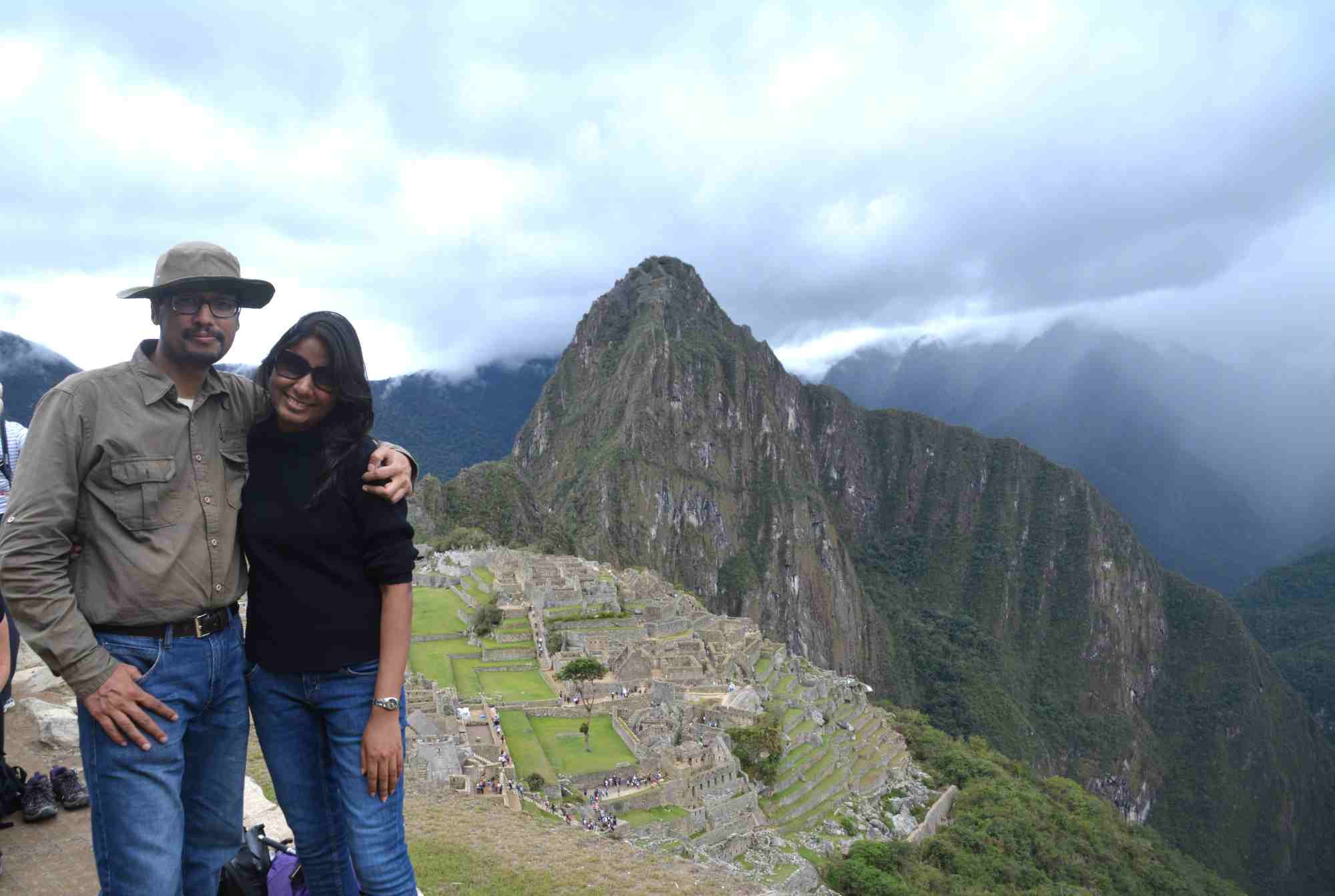
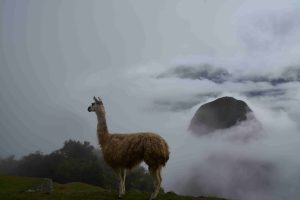
So, I am picking up where I left off last Sunday which is when Richa and I reached the town of Aguas Calientes – the starting point for the mountain site of Machu Picchu. The rain fell all night and I prayed hard and honest to the rain gods to make it stop, but it didn’t. The next morning, we were up very early and were covered in our flimsy rain ponchos. We lined up for the bus to take us to Machu Picchu and inside my mind the clouds were greyer than the ones above us. As our bus climbed up at around 5 a.m., all I could see was a dense fog and in between the clouds I did catch some glimpses of the mountains and the forest cover. The fog was still heavy when we reached the site and a strange moment happened when I was looking closely at the wet Incan stone road, which was also the ancient walking path to Machu Picchu. It is then that I suddenly saw a huge llama (sort of a South American camel) staring at me from just a foot away. I hadn’t noticed the giant with my head down – half in gloom and half because I was trying to figure out where to place my next step, as dense as the fog was.

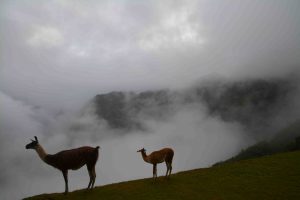
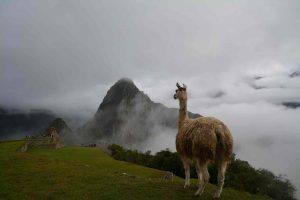
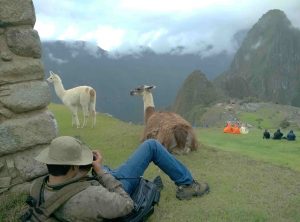
This made me smile a bit and I took two steps back to take some images of the llama, and then a moment later captured a very strange and surreal scene. I saw the llama turn the other direction just when I was asked Richa ‘where the hell is that Machu Picchu?’ (Yes, I was that miffed at the weather). And then just like that the heavy clouds started lifting and I realised that the llama was actually looking in the direction of Machu Picchu, which was directly below the eyeline on a separate hill top. How fast my mood lifted and Richa was rather relieved to see the grumpy me disappear (who wouldn’t be). I got the classic Machu Picchu image, with the clouds literally lifting the veil on this greatest of ancient wonders. To compare it to any other manmade site would not be fair since it would simply stand no chance of outshining Machu Picchu, such is the sheer drama of having a serious pile of rocks on a mountain top, next to a deep ravine and adding two dozen llamas for good measure. All this is not to mention the mesmerising sightings of the mighty Andean Condor, the largest bird of prey in the world – although these sightings are rare. We were lucky to see one in the early hours of that morning.
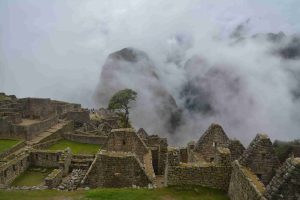

We spent nearly a full day at Machu Picchu since there really was so much to see and absorb within this mini mountain town of the ancient world, which included the iconic ‘Temple of the Sun’ (not to be confused with the one at Cusco). And later it was time to take the bus down the mountain to Aguas Calientes and then take the evening train to Cusco, before heading our way eastwards to Lake Titicaca and entering Bolivia via the land border for a brand-new country and a brand-new adventure.
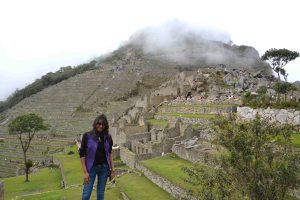
Machu Picchu remains a very memorable visit for us, partly due to the fact that our expectations were at ‘rock’ bottom. Another reason is that this South America adventure was our wedding anniversary trip. It just so happens that as I write this piece today, it is our fifteenth anniversary on the 28th of November 2025 and time does pass by (but not so fast for us). And why not so fast when everyone else says life goes by in the blink of an eye? Well, simply because if you travel to a lot of new places and experience a lot of new things in one lifetime, it gives you the illusion of a very long life. As they say, routine is the enemy of time – it makes it go by so fast. That’s why I am glad we travelled a lot around the world over these last fifteen years, since they feel like a hundred. This adventure indeed has a ‘once upon a time’ feel to it now, since so much has happened in between.
Nitin Gairola is from Dehradun and has travelled the natural world extensively and is often referred to as the ‘Most Travelled Indian’. He is on a quest to become the first person to travel to every major desert, forest, grassland, tundra & ice biome on Earth, besides every country. Nitin has set world travel records certified by India Book of Records, has written for Lonely Planet and holds National Geographic conservation certifications. He is also a senior corporate executive in an MNC and in his early days, used to be a published poet as well. More @ : www.facebook.com/MostTravelledIndian/