By Shruti Kothiyal, Aabshar Abbasi
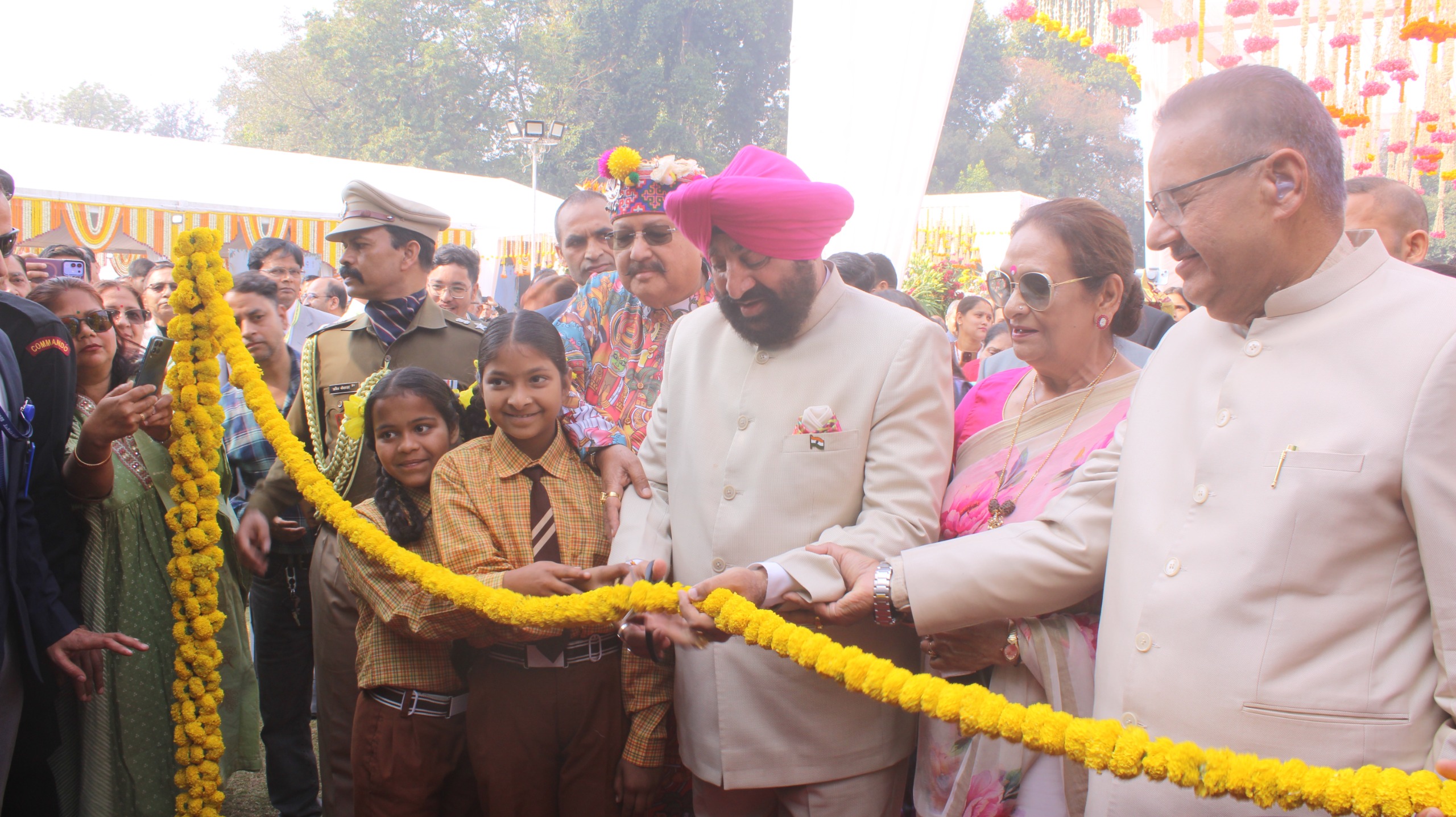
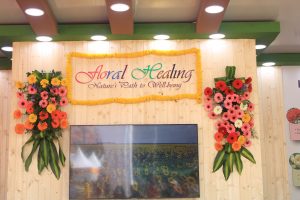
Dehradun, 27 Feb: As spring gently unfolds across Uttarakhand’s valleys, Governor Lieutenant General Gurmit Singh (Retd) inaugurated Vasantotsav 2026 today at Lokbhavan, here. This year, Vasantotsav arrives with a theme that blends tradition with science — “Floral Healing: Nature’s Path to Well-Being”. Scheduled from 27 February to 1 March 2026 at Lok Bhawan, Dehradun, the festival moves beyond celebration to present a thoughtful exploration of how flowers influence human health, emotion, and ecological balance. Organised under the aegis of the Government of Uttarakhand, this year’s Vasantotsav positions itself at the intersection of nature, culture, and science.
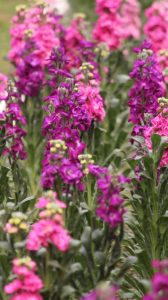
In Uttarakhand, Vasantotsav has long symbolised seasonal transition. However, the 2026 edition reinterprets spring not merely as a climatic change but as a biological and psychological transformation. The concept notes highlight how phenological shifts, including flowering cycles and increased solar radiation, affect both ecosystems and human neurochemistry. The Vasantotsav festival has expanded from a flower exhibition to a dynamic dialogue between humans and nature, bridging the gap between tradition and innovation while blending rural labour with urban emotions. This year’s theme, “Floral Healing: Nature’s Path to Well-Being”, is based on the World Health Organisation’s (WHO) acknowledgement of using traditional herbal medicine as a part of healthcare. The idea is brought in as a major attraction to Vasantotsav by the Uttarakhand Ayurvedic University, Dehradun. The Floral Healing is curated as a scientific observation that suggests that seasonal transitions can influence neurotransmitters such as serotonin and dopamine, contributing to improved mood, clarity, and collective enthusiasm. By choosing Floral Healing as its central theme, the festival attempts to decode this natural upliftment through research-backed understanding.
The Science behind Floral Healing
Dr Deepak Semwal, Assistant Professor, Department of Phytochemistry, Uttarakhand Ayurvedic University, describes floral healing as a complementary and holistic approach that studies the vibrational frequencies, aromas, and bioactive compounds of flowers and their impact on emotional and physiological health. Dr Semwal emphasised the World Health Organisation’s view that many medicinal plants, including flowers, possess therapeutic properties and can serve as complementary medicine alongside medical treatments for patients with physical ailments.
Historically, flowers have held therapeutic significance in Ayurveda and Traditional Chinese Medicine (TCM). The pioneering work of Dr Edward Bach in the 1930s, systematised flower-based remedies and linked emotional imbalances with physical ailments.
The healing process is structured around three core dimensions:
Aroma (Olfactory Healing): Fragrant compounds stimulate the limbic system, the emotional centre of the brain, influencing stress and mood.
Touch (Tactile Healing): Physical interaction supports autonomic nervous system regulation.
Visual (Colour-Based Healing): The colour spectrum of flowers affects attention, anxiety levels, and emotional stability.
Colours that Communicate with the Mind
One striking aspect of floral healing is documented as a detailed mapping of flower colours and their psychological and physiological impacts
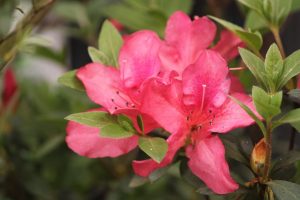
Red flowers such as roses, hibiscus, and rhododendron are associated with energy and heightened alertness.
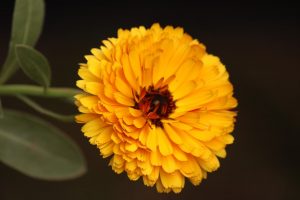
Yellow blooms like sunflowers and marigolds promote optimism and cognitive clarity.
Blue varieties such as Aparajita are linked with calmness and reduced anxiety.
Violet shades, including lavender, encourage creativity and relaxation.
White flowers such as jasmine and Rajnigandha symbolise mental clarity and sensory balance.
Pink blossoms evoke compassion and emotional comfort.
Green foliage reflects restoration, echoing the theory of biophilia and stress recovery.
These associations are supported by references from journals in psychology, neuroscience, and ethnopharmacology.
Integrating Floral Healing into Daily Life
Through its theme of Floral Healing, the festival transforms the arrival of spring into a multidimensional dialogue on well-being, sustainability, and cultural continuity, reaffirming Uttarakhand’s identity as a land where nature and human life coexist in profound harmony.
The festival concept extends beyond theory to practice. It encourages simple incorporations such as floral meditation, mindful engagement with fragrance, and aesthetic floral arrangements to enhance emotional well-being and reduce stress. The underlying message is clear: nature is not external to human life but an active participant in physical and emotional health.
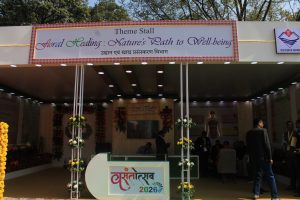
Vasantotsav 2026 also foregrounds Uttarakhand’s rich floral biodiversity. Known as ‘Devbhoomi’, the state’s Himalayan terrain nurtures a diverse range of native species that are deeply embedded in ritual practices and cultural identity.
Beyond aesthetics, the festival connects floral knowledge with broader themes such as biodiversity conservation, farmer empowerment, and value-added floral products, including essential oils and herbal extracts. In doing so, it aligns ecological preservation with economic opportunity and sustainable development.