
 By Anil Raturi
I read the “Godfather” novel while still at school in Mussoorie, sometime in 1972-73.
In those days of prudery, this popular thrilling novel was perceived by teachers as somewhat inappropriate for school going children, due to its graphic descriptions.
So we used to read the book secretly.
I still remember the epigraph on the opening page that author Mario Puzo adapted paraphrasing from Balzac’s French, “Behind every great fortune there is a crime.”
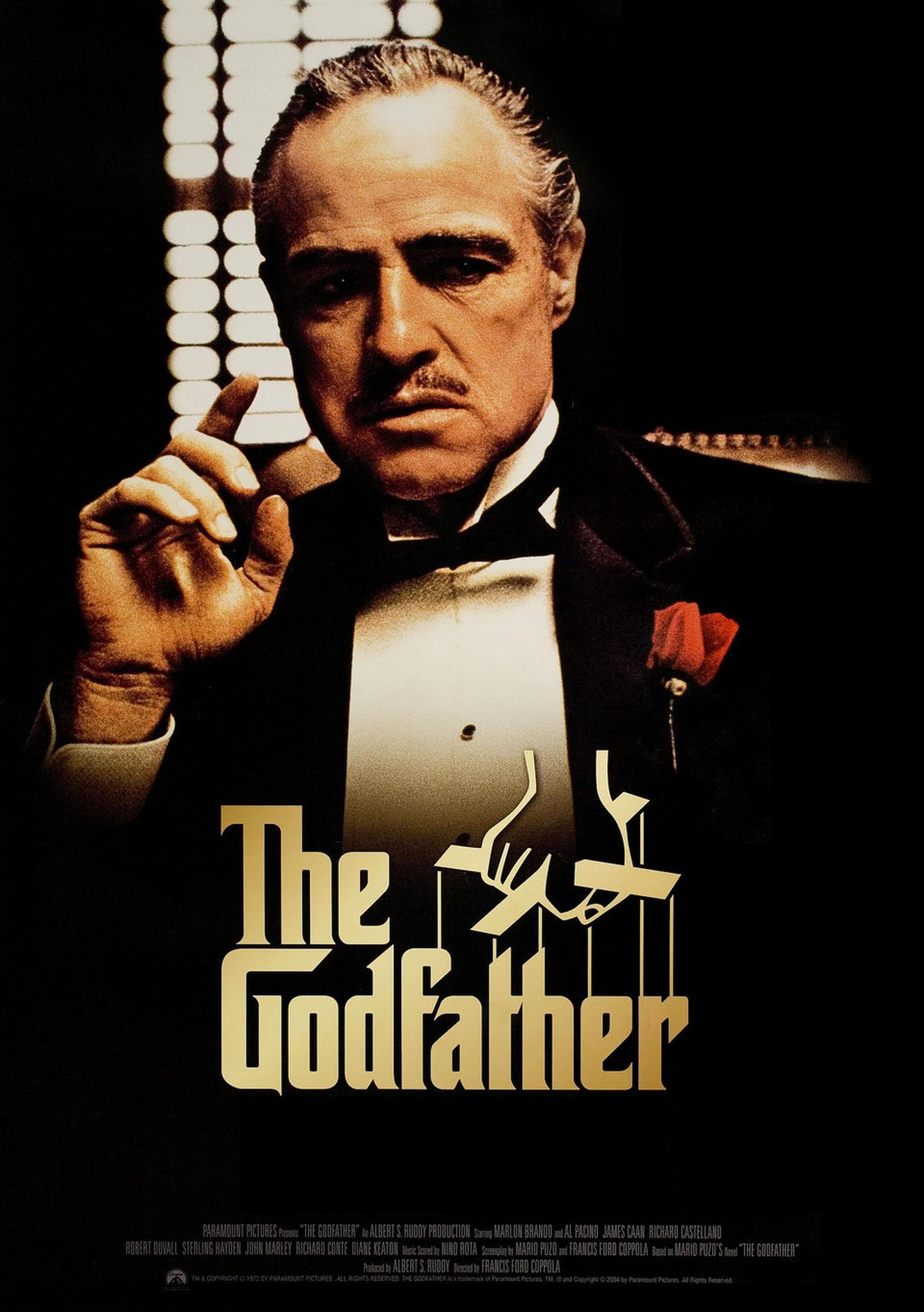
A few years later came Francis Ford Coppola’s blockbuster film on the book. We had learnt that it had taken some years for it to get through the Indian censors.
The iconic Chanakya Cinema screened it in Delhi.
Such was the craze that people used to start queuing for tickets at 4 a.m. every day!
Long queues made getting tickets a tough task.
Soon, the film gained a rare kind of popularity and success, something that seemed to please both, the people as well as the critics.
In due course, I saw the entire trilogy many times over.
The most astonishing aspect of the films is that they are based on not a literary work but rather on popular fiction.
Puzo had tried his hand at literary work earlier for which he got praise but no money. So he worked hard to become commercial.
Such was his talent that despite never being trained at writing screenplays, his screenplays for both, “Godfather” 1&2, won Academy Awards!
It is said that, later, he formally tried his hand at learning how to write screenplays. To do so he bought a book. On reading its first few pages he found that it recommended readers to see the “Godfather” films to learn about writing screenplays!
He closed the book and then never opened it again!
The unique hue of the scenes of this film trilogy, made possible through an ingenious use of lighting by outstanding cinematography has left an indelible impression on both the discerning and not so discerning audiences alike!
The melancholy theme music of the film scored by Nino Rota is so extraordinary that it has become synonymous with the trilogy itself.
Even today, I still carry the lingering lilt of it somewhere in my recesses, though it was first registered by my teenage being, almost five decades ago.
Such is its poetic power!
The State called USA which declared its Independence in 1776 and put before itself ideals such as equality of man as enshrined in its Bill of Rights and Declaration of Independence documents, managed to become, in the following two centuries, the most powerful nation that the world has ever seen.
It was able to do so because of the labour -both physical and cerebral – of its founding generations. It became great through opening its doors to the talent of the entire world. Immigrants of all hues were welcomed and assimilated by its melting pot!
The Statue of Liberty at the New York harbour overlooking the Atlantic Ocean, through which the ships bringing in immigrants first entered, has the following poetic lines etched below it that poignantly state to the rest of the world:
“Give me your tired, your poor,
Your huddled masses yearning to breathe free…”
It seems to me that there are two main themes in the “Godfather” trilogy.
The first is that USA was not only successful in bringing the best talent of the world to its land but was also able to assimilate these divergent people as Americans, irrespective of their variegated differences!
The Corleones and all Italian immigrants were a thread of this vast fabric of the “Great American Dream” story unfolding.
That anyone talented could possibly attain this dream is a romance which attracted the world.
The trilogy very artistically made the Italian immigrants story a representative story of the whole American immigration experience of second half of 19th century unravelling of the “Great American Dream!”
The second, is the important universal moral theme and which I think is the greater theme.
It dwells on the common subject of “Everyman’s” pursuit of “success”.
The Corleones pursue power, wealth and control.
The senior Don Corleone has no qualms of conscience.
Morality is no issue for him. Only power is. The ends justify everything. The means don’t matter to him. His son, Michael is an educated and respectable ex-serviceman. He does not want to join the bad world of the Mafiosi. But nonetheless, is compelled and sucked by it, due to family circumstances.
The underlying philosophical question remains, that even though Michael was initially reluctant to join, he ultimately still did!
The capitulation of his moral will ultimately makes him tragic.
He soon loses his moral compass and becomes so unrecognizable that his own wife (who had middle class values) gets scared of him and finally forsakes him.
The underlying message is clear; a tainted violent life bereft of ethics, despite all the wealth and material worldly success, is of no use, if you lose love, trust and peace of mind.
Because, ultimately death will come to you too, in the same way – through violence.
At the end, you will be clueless about why you did what you did?
Beyond the glamour and power of the Corleones, it is their sad tragedy that is the universal message of the story!
It is in this that the appeal of the “Godfather” story lies, which raises it beyond the American sensibility to a much larger universal human one!
Incidentally, today’s America’s MAGA constituency’s refrain is to “Make America Great Again.”
Ironically the path that they seem to be pursuing to “Make America Great Again” is through closing America to immigrants, imposing higher tariffs on imports, de-globalisation etc., – something that is exactly the opposite of the genius which made America great, once!
(Anil Raturi is a retired IPS officer and former DGP, Uttarakhand.)