By Our Staff Reporter
Dehradun, 30 Nov: On the occasion of World AIDS Day in the state, people will be made aware about HIV/AIDS through the Uttarakhand AIDS Control Committee. For this, public awareness programmes will be organised on a large scale across the state.
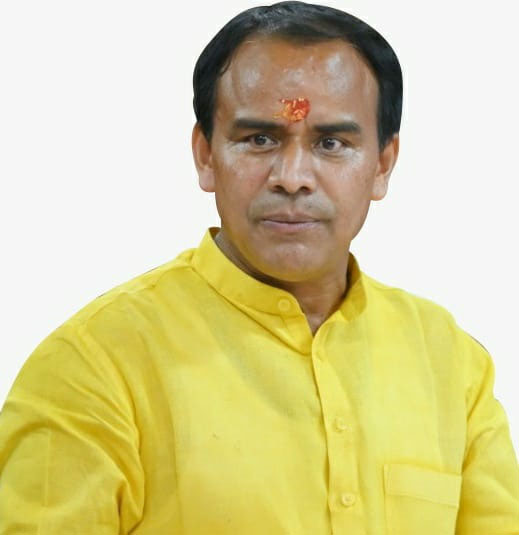
State Health Minister Dr Dhan Singh Rawat will participate in the AIDS awareness programme to be organised at the Sub District Hospital in his assembly constituency Srinagar on Friday.
Medical Health and Medical Education Minister Dr Dhan Singh Rawat said in a statement issued to the media that on the occasion of World AIDS Day, awareness programmes will be conducted across the state through Uttarakhand AIDS Control Committee. He said that, after returning from Almora tour on Friday, he would directly reach Srinagar to participate in the HIV/AIDS awareness programme at the Sub District Hospital.
Dr Rawat said that people will be made aware about HIV AIDS. Instructions have been given to all the officers for its successful conduct.
The minister said that 483 ICTC centres have been established in the state for information and prevention of HIV AIDS. Through these centres, the facility of free HIV related testing is being provided to the people. Dr Rawat added that, at present, free counseling and medicines are being provided to 6,229 people suffering from HIV through 9 ART centres. He said that HIV testing of 3,15,740 people was done in the state in the financial year 2020-21, out of which 602 people were found HIV positive. Similarly, in the year 2021-22, 3,53,524 people were tested in which 877 people were found infected. In the year 2022-23, 5,38,958 tests were conducted in which 1,250 people were found HIV positive. Whereas, in the financial year 2023-24, so far 3,44,024 people have been tested, out of which 866 people were found infected with this disease. Dr Rawat said that under the AIDS control programme, HIV/AIDS awareness and testing programmes are being conducted continuously across the state. Apart from this, testing and counseling is being given to personnel working in industrial units, migrants living in remote areas, groups with high risk behaviour, drivers of vehicles on remote routes, slum areas and prisoners detained in jails.