 By Ganesh Saili
Up until the 1960s, winter would see Mussoorie folk rent houses in Rajpur or Dehradun to escape the cold. Mrs Walsh rented a place in Chukkuwala and left her Landour home to the ministrations of her chowkidar.
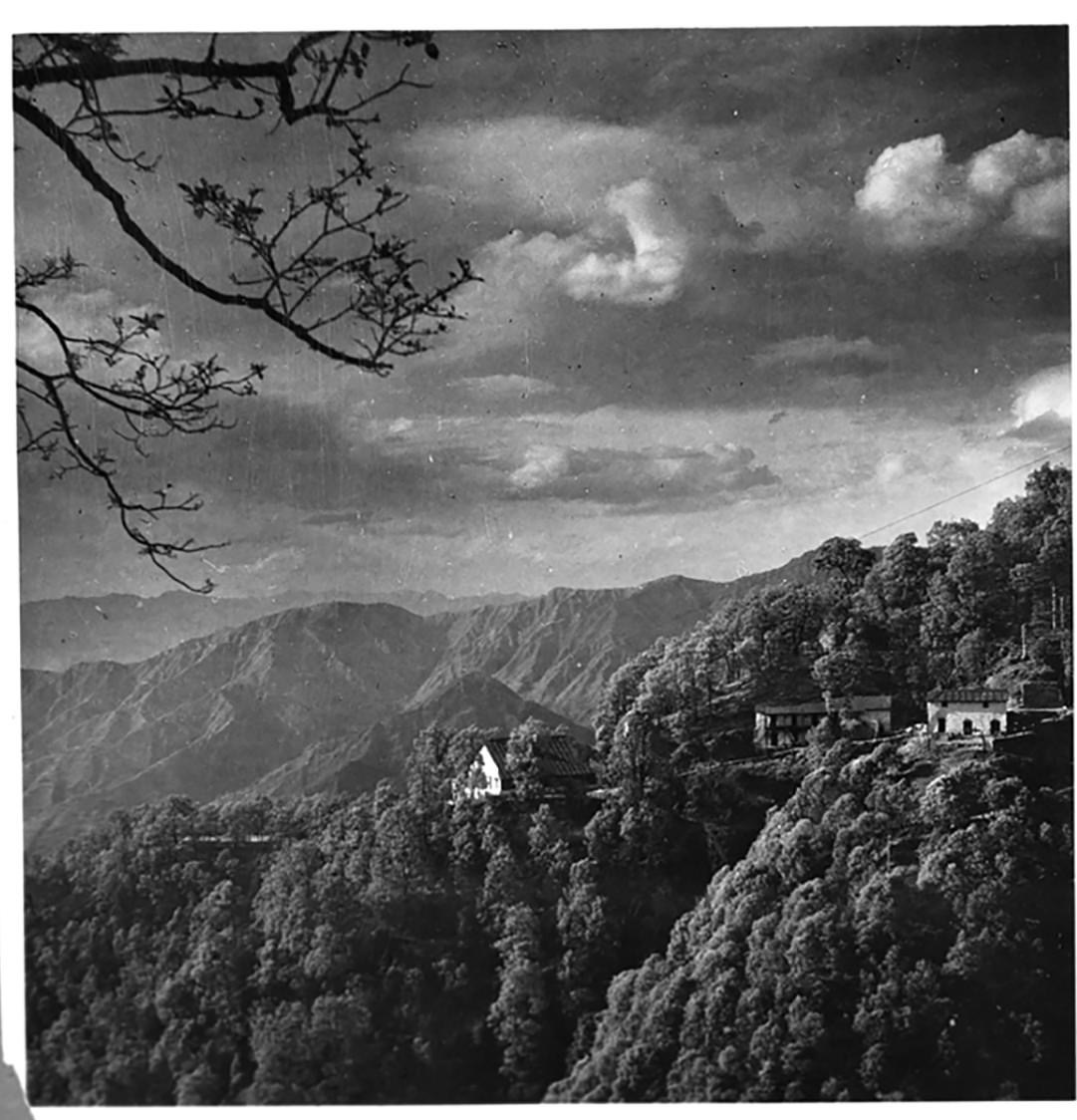
Landour’s tradition of boarding houses goes back to the 1900s, when the missionaries arrived to study Urdu and Hindi at the Landour Language School. Grand old bungalows were given licences to run guesthouses: among them were Rokeby, a three-minute walk from Char Dukan, Fairview, six minutes, and Wolfsburn, barely five minutes.
In the early days of the Convalescent Depot, circa 1827, reports came in of the troopers being lonely, depressed and drunk. Where were they finding alcohol? It puzzled the officers until they found that the white lightning was being smuggled in milk cans from the nearby villages to the billets. Tippling has always been ubiquitous in our hill station. Perhaps it was a forerunner of the times when we would have our first proper breweries.
Landour used to have seventy-eight private houses, and in its early days had two hundred and thirty European residents housed in twelve Government bungalows. In addition, seven private dwellings were also rented by the Military authorities for the soldiers. They arrived at the beginning of April, and when the Depot closed at the end of September, only ten men would stay on to keep an eye on the place through winter.
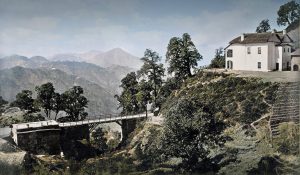
Wolfsburn, with its Doric pillared veranda wrapped around it, was owned by Mrs Edith Walsh, the last survivor of an Anglo-Indian family. Luckily, before he passed on, her husband taught her the ropes of running a guesthouse. Their son Peter, an only child, left the hills in search of greener pastures before settling down in New Zealand. He never came back, not even to see her. When I think of her, I see her as she was after a stroke left her frail like a crumpled bird, to be carried around in a dandy. They set her down in a patch of sunshine under a large horse chestnut tree. ‘One chantaank dhania! Little turmeric! Little salt! Half seer rice!’ She rattled off the list to her minions as they gathered provisions. Task accomplished, they locked the storeroom and handed her the keys, which she slipped into her embroidered handbag.
Eventually, on a cold winter’s night in the valley of the Doon, Mrs Walsh, aged ninety years, quietly faded away to the Land of Eternal Rainbows. That should have been the end of that story. Or so we believed, until one night the chowkidar, crumpled, dishevelled, pale as a sheet, almost knocked down our door.
‘Saili Saab! Saili Saab!’ The words tumbled out of his mouth, sloshing and bumping into one another in a haste to get spoken. Breathlessly, he stammered: ‘She’s back! It’s March, and Walsh memsahib is back. She kept us up all night, rattling the chain of the outhouse door, screeching: ‘Kalyan Singh, open the door! Kalyan Singh, open the door!’
That’s the last we saw of Kalyan Singh. He left for the safety of his mountain home, breathing fear instead of air before he vanished into the hills. She left behind a will gifting the house to Mr Godin and Mr Sun, who had nursed her through her dotage. It was they who sold it to the local kabariwalas.
Later, on an impulse, Professor Vijay Uniyal bought the place from the second-hand dealers after they had stripped the buildings of their timber and tin; they had even gone over the rubble with a magnet to pick up any stray nails.
Trouble came knocking! Professor Uniyal had bought the place without the requisite due diligence and, unbeknownst to him, the cantonment had already moved acquisition proceedings. When the compensation cheque arrived, he deposited it in his account, where it was cashed.
After that, he was caught between the twin grindstones of fate and chance. He tried to stay afloat, while lawyers spouted rarely used phrases like ‘Fee Simple!’ and ‘Old Grant terms!’
Predictably, he lost the case. None of his pleas worked. Wolfsburn is now just another one of the many unoccupied army bungalows.
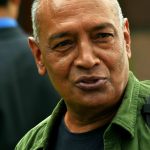
Ganesh Saili, born and home-grown in the hills, belongs to those select few whose words are illustrated by their own pictures. Author of two dozen books, some translated into twenty languages, his work has found recognition worldwide.