2-day workshop held on Water Pollution & Antimicrobial Resistance in Song River Basin
Garhwal Post Bureau
Dehradun, 23 Nov: A two-day workshop, titled “Co-designing One Health Interventions for Water Pollution and Waterborne Antimicrobial Resistance (AMR) at River Basin Scale in Uttarakhand” is being organised beginning today in Dehradun under the joint aegis of the International Water Management Institute (IWMI) and the Indian Institute of Technology Roorkee (IIT Roorkee).
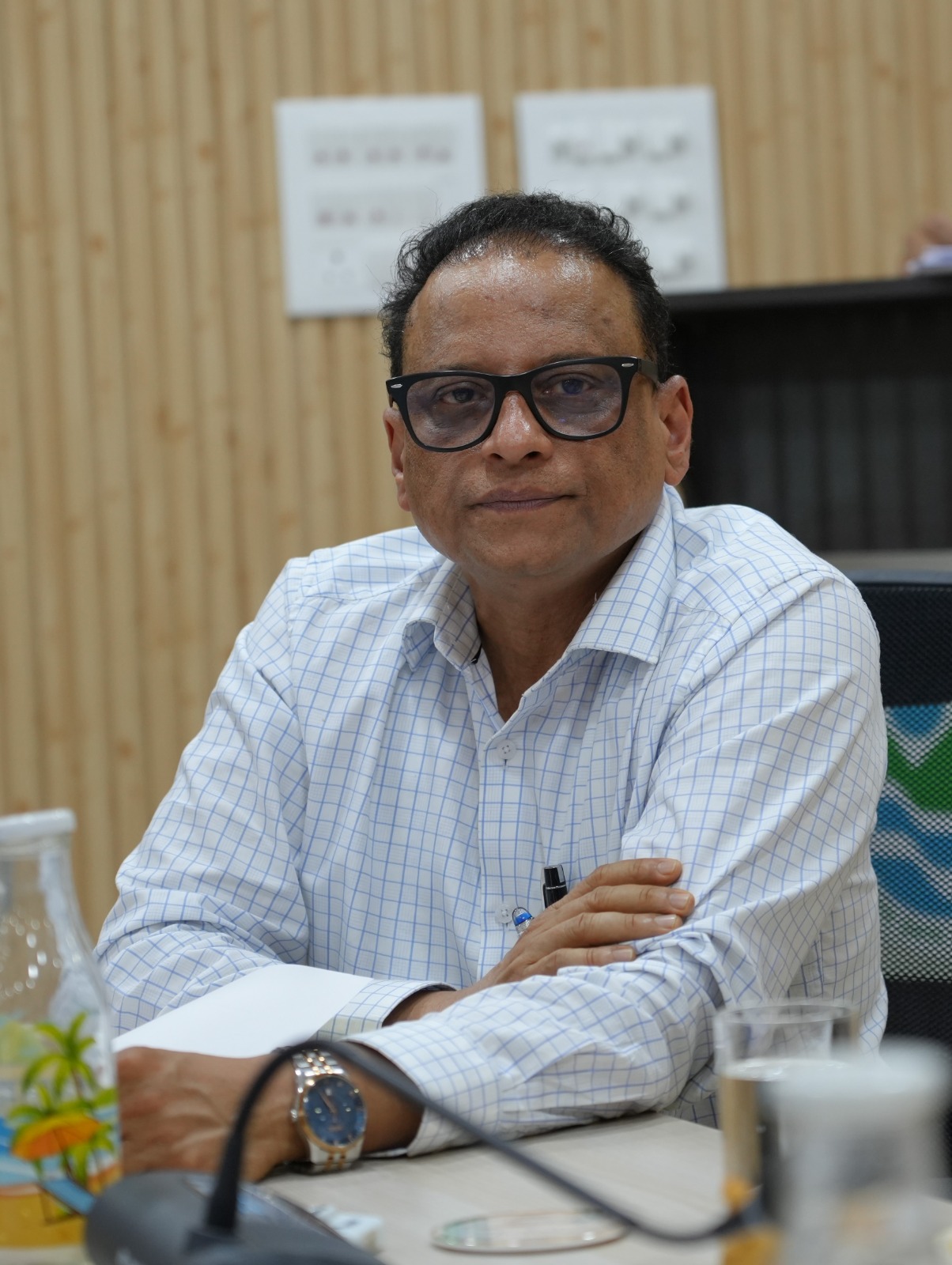
Addressing the inaugural session as the chief guest, Dilip Jawalkar, Secretary, Watershed Management and Chief Project Director, WMD, emphasised that safeguarding and improving the health of the Song River is one of the most pressing needs of the time. He said effective control of water pollution, water conservation measures and strong inter-departmental coordination are essential for ensuring successful river rejuvenation. He further stressed that protecting the river’s ecology and safeguarding public health must remain key priorities in future interventions.
Prof Sumit Sen of IIT Roorkee highlighted the importance of integrated modelling and impact assessment in tackling water pollution and antimicrobial resistance in the Song River Basin. He also emphasised on the need to evaluate the potential outcomes of various intervention strategies through scientific analysis. During the workshop, he presented the current status of the Song River Basin and various intervention scenarios using SWAT + BFTM modelling. The exercise is intended to provide evidence-based insights that can support the formulation of effective and sustainable river rejuvenation plans for the basin.
It was stressed during the workshop that efforts to address the challenges of water pollution and waterborne antimicrobial resistance (AMR) in Uttarakhand are now moving beyond problem identification towards concrete, on-ground interventions.
The initiative is being undertaken under the CGIAR Sustainable Animal and Aquatic Foods (SAAF) programme and its One Health approach, with a focus on developing integrated and science-based strategies to tackle water pollution and antimicrobial resistance in the Song River Basin. The workshop is examining pollution and AMR hotspots, as well as transmission pathways within the river system through water quality monitoring and hydrological modelling using advanced tools such as SWAT + BFTM, digital twin technologies and AI-based forecasting frameworks. The programme also seeks to develop a shared One Health roadmap for the rejuvenation of the Song River and prepare a multi-sectoral catalogue of solutions aimed at reducing waterborne AMR across land, water and food systems, from source to exposure.
The workshop has brought together experts and stakeholders from multiple sectors, including irrigation, pollution control, animal husbandry, public health, river rejuvenation, ICAR, BAIF, WHO, research organisations and government institutions, to deliberate on a coordinated action plan for addressing the growing challenge of water pollution and AMR.