By Our Staff Reporter
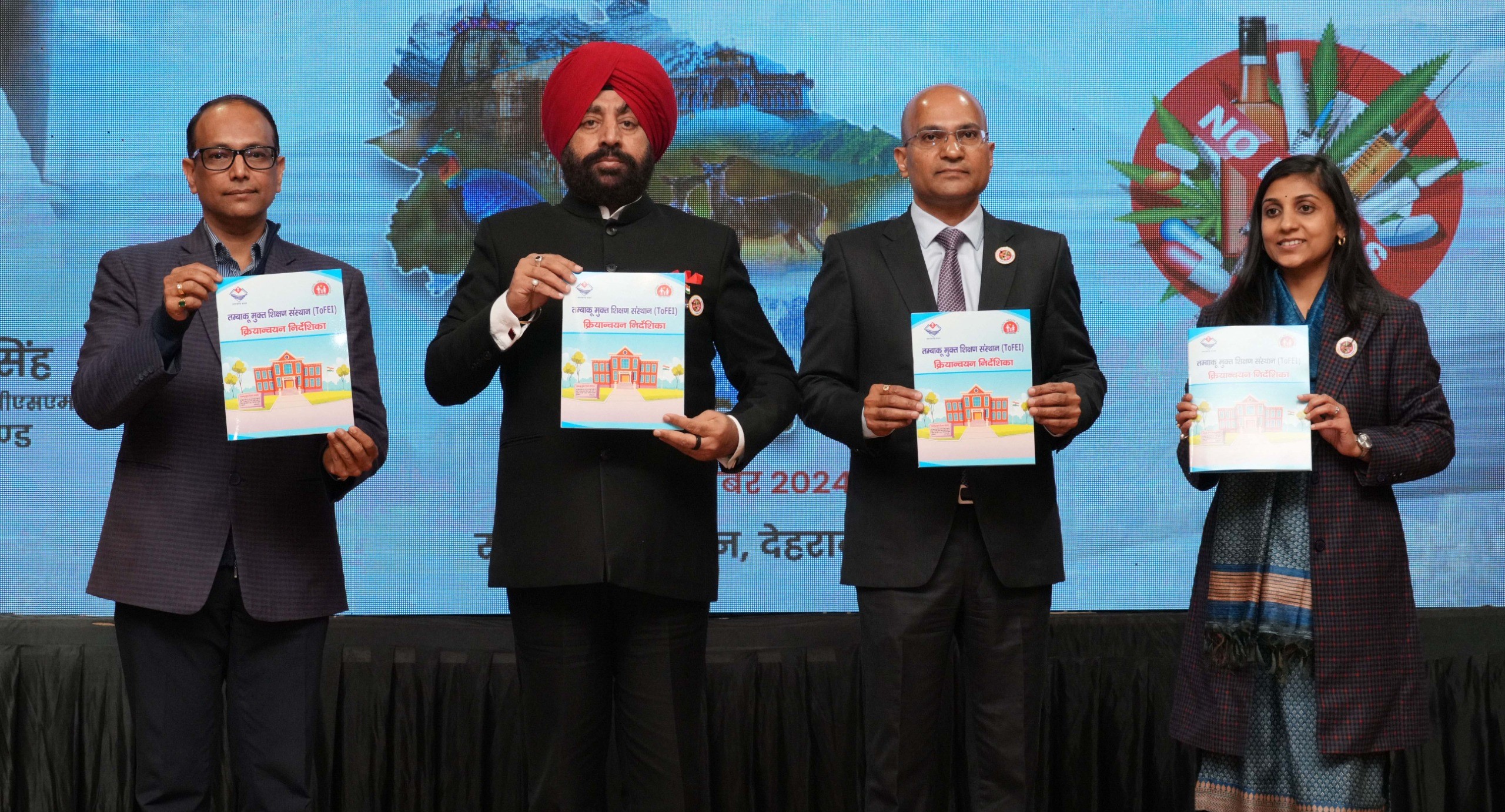
DEHRADUN, 7 Dec: Governor, Lt Gen Gurmit Singh (Retd), inaugurated a seminar on “Drug-Free Uttarakhand” at the Raj Bhawan auditorium on Saturday. On this occasion, the Governor also launched the National Health Mission, Uttarakhand’s book, “Tobacco-Free Educational Institutions (ToFEI) Implementation Guide.” The Governor remarked that the message conveyed through this seminar to the youth, their parents and mentors will have a significant positive impact. He appreciated the efforts of the government, administration, organisations, volunteers, workers, and aware citizens involved in this mission and emphasized that everyone must play an active role in the “Drug-Free Uttarakhand” campaign.
Lt Gen Singh further stated that when parents realize their child is addicted to narcotic substances, they often try to hide it, which turns the situation critical. He mentioned that the state is an educational hub, and increasingly children are turning to narcotic addictioin from a young age. He stated that the biggest challenge to be drugs and emphasized that drug addiction is a major challenge that requires solutions. He noted that while the nation aspires to become a world leader, a self-reliant India, and a developed nation by 2047, there are forces that seek to destroy civilization. To protect our youth from such forces, society must wake up and take action.
The Governor stressed that it is crucial to understand where this evil originates. The main culprits are those who manufacture these substances, and we must destroy their roots. He highlighted the importance of the company we keep, the environment we live in, and the language we use, as these factors determine the direction of our lives. He urged that we must cultivate a hobby or passion within ourselves to keep away from such evils. He explained that addiction is not just a personal vice but also an obstacle to social and economic development. It destroys the physical and mental health of individuals and leads to crimes and antisocial activities in society.
The Governor called for a stronger collective fight against all forms of addiction, including drugs, alcohol, and tobacco products, to realize the dream of a “Drug-Free Uttarakhand.” He urged everyone to play an active role in this mission and raise awareness about it, emphasizing that it is not just a topic but a crucial movement for safeguarding our future.
Lt Gen Singh mentioned that to make India a developed nation by 2047, it is essential that everyone participating in this seminar works as ambassadors of the anti-drug movement. He said that on this occasion, we must reflect on this serious issue and provide proper guidance to children and youth. He praised the central government’s efforts under the leadership of the Prime Minister, which includes the “Drug-Free Campaign” across all districts in India, as well as various initiatives to stop drug use and help those already addicted.
The Governor appealed to all to spread awareness about the harmful effects of addiction in their homes, neighborhoods, and workplaces. He encouraged young people to stay away from this evil and strive to become better in life. He said that by avoiding such vices, we should move toward positive initiatives for the benefit of our country, state, and society, which will lead to a brighter future where our parents, teachers, and society can be proud of us.
The Governor assured the organisations and citizens that his office would provide all possible support for the success of the “Drug-Free Uttarakhand” campaign. He stressed that making this campaign successful is a collective responsibility.
Secretary Ravinath Raman emphasized the need to focus on children from the age of 13 to 14 to prevent them from getting involved with drugs. He said that parents must take the lead in this matter and be able to identify the signs of addiction in their children. He mentioned the “Bal Sakha Program” in schools, which involves sending children in groups when they travel between home and school. This programme helps peer groups monitor each other and prevent them from engaging in harmful behaviors. He assured that once addiction is detected, there is a complete mechanism in place to help them recover. He also stressed the importance of society’s role, suggesting that people should report instances of students becoming addicted to drugs to their families and schools.
Secretary Ranjit Kumar Sinha said that communication between children and parents is crucial to preventing drug addiction, and educational institutions have a special role to play in this effort. He urged teachers to keep a close watch on their students.
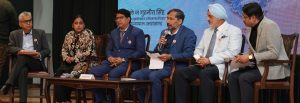
During the seminar, panelist Kushal Kothiyal mentioned that both the hilly and plain areas of Uttarakhand are seeing an increase in drug addiction. He emphasized the need to educate children about the dangers of drugs starting from class 6 and urged the implementation of doping tests twice a year. He also recommended starting district-level programs for doping tests and called for more efforts by educational institutions, with parents also playing a proactive role.
Headmaster of The Doon School Dr Jagpreet Singh stated that besides peer influence, the family environment is also responsible for children getting addicted to substances. He noted that children often imitate bad habits from their parents, siblings, and relatives. He encouraged the students present to stay away from all forms of addiction as they are the future leaders of India.
Inspector of ANT Force Ravindra Yadav stated that there are currently 82 rehabilitation centers in the state, and after talking to children aged 18 to 25, he found that most got addicted between the ages of 13 and 15. He said that when children are in school, they often stay in groups, and if the leader of the group is involved in drugs, all group members tend to follow suit. Therefore, it is essential to keep a close watch on our children.