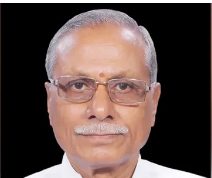
By Brig Sarvesh Dutt (Pahadi) Dangwal (Retd)
The veterans of the Armed Forces represent an invaluable human capital resource, embodying leadership, discipline, and integrity honed through decades of service in one of the finest and most professional militaries in the world. Upon superannuation, typically between the ages of 40 and 60, these individuals possess a wealth of experience, energy, and a sense of duty that remains largely untapped in the realm of public service and nation building. This essay argues that veterans must be constructively engaged in the socio-economic and political development of the country. It highlights why their inclusion in political leadership and governance at all levels is essential, examines the unique value they bring, and explores how their potential can be harnessed effectively.
The Untapped Potential of Veterans
Veterans retire at an age when most civilians are ascending to leadership roles in their respective fields. This early retirement, a necessity of military life, leaves veterans with decades of productive potential. Their military service imparts them with unique attributes such as:
- Leadership Under Pressure: Veterans are adept at making critical decisions in high-stress environments, often with incomplete information and under time constraints.
- Integrity and Discipline: A culture of accountability and adherence to high ethical standards defines their professional ethos.
- Teamwork and Diversity Management: Veterans are trained to work cohesively with individuals from diverse socio-cultural backgrounds.
- Strategic Vision and Planning: The ability to think strategically and anticipate challenges is ingrained in their training.
- Selfless Service and Commitment to the Nation: Veterans prioritise collective goals over personal gain, a trait that aligns with the ethos of public service.
Despite these qualities, post-retirement avenues for veterans are often limited to individual pursuits such as corporate roles, consultancy, or personal business ventures. While these are valid and respectable choices, they often lack the broader societal impact that veterans are uniquely positioned to deliver.
The Case for Veteran Participation in Nation Building
Politics, at its core, is a tool for socio-economic development. It shapes the policies, governance, and direction of a nation. The inclusion of veterans in politics and governance is not merely desirable but imperative for several reasons:
- Addressing the Leadership Vacuum
India’s political landscape suffers from a deficit of leaders who prioritise national interest over personal or party gains. Veterans, with their proven track record of selflessness and dedication, can fill this void. Their participation can elevate the ethical and moral standards of governance.
- Bridging the Civil-Military Gap
Veterans entering politics can serve as a bridge between the military and civilian spheres, fostering a deeper understanding of national security, defence policy, and disaster management within the political establishment.
- Strengthening Grassroots Democracy
The three-tier electoral system in India—comprising panchayats, urban local bodies, and state and central governments—offers opportunities for veterans to contribute at every level. Veterans, with their disciplined approach and organisational skills, can bring efficiency and transparency to grassroots governance.
- Ensuring Equitable Development
Veterans’ exposure to diverse regions and communities during their service makes them uniquely attuned to the needs of different parts of the country. Their participation in politics can ensure more inclusive and equitable development policies.
- Promoting Ethical Leadership
The credibility and trust veterans command can inspire a new wave of ethical leadership, combating the pervasive issues of corruption and nepotism in Indian politics.
Pilot Case: Uttarakhand as a Testing Ground
The state of Uttarakhand provides a compelling example of how this concept can be practically implemented as a precedent-setting pilot case. With approximately 17% of its population comprising veterans and their families, Uttarakhand is uniquely positioned to experiment with this idea.
Over the past four to five months, I have undertaken an initiative in Uttarakhand to motivate and unify the more than 160 veteran community groups in the state. This initiative, now transformed into a full-fledged campaign, aims to consolidate their collective ground presence within an electoral democracy to create a viable political alternative in regional Uttarakhand politics.
The veterans’ community in Uttarakhand possesses both the numbers and the influence to bring about a paradigm shift in the state’s political landscape. By leveraging their organisational skills, discipline, and ethical standards, they can serve as a model for similar movements across the nation. If successful, this effort will demonstrate how veterans can transition from defenders of the nation’s borders to custodians of its democratic and developmental aspirations.
Challenges and Barriers
While the case for veteran participation in politics is compelling, several challenges need to be addressed:
- Cultural Reluctance: Many veterans view politics as a domain riddled with corruption and moral compromise, deterring their active participation.
- Lack of Political Exposure: Transitioning from a military to a political role requires a different skill set, including public engagement, negotiation, and policy-making.
- Institutional Support: There is a lack of organised mechanisms to facilitate veterans’ entry into politics, such as mentorship programmes or political training academies.
- Perception Issues: Society often typecasts veterans as rigid or overly hierarchical, underestimating their adaptability and vision.
Harnessing the Potential: A Roadmap
To overcome these barriers and effectively harness the potential of veterans for Nation Building, a structured approach is essential:
- Awareness and Advocacy
Organizations and think tanks must advocate for the inclusion of veterans in governance and politics. Awareness campaigns can highlight the value veterans bring to public service and dispel misconceptions about their adaptability and relevance.
- Training and Mentorship
Political training programmes tailored for veterans can equip them with the necessary skills for public life. These programmes can focus on policy analysis, public speaking, negotiation, and legislative procedures. Veteran leaders already engaged in politics can mentor aspiring candidates.
- Institutional Frameworks
The establishment of forums and associations dedicated to promoting veterans in politics can provide the necessary support and resources. These bodies can facilitate networking, fundraising, and collaboration with political parties and civil society organisations.
- Encouraging Grassroots Engagement
Veterans can be encouraged to start their political journey at the grassroots level, such as panchayats and urban local bodies. This allows them to build experience and credibility while making a tangible impact on local governance.
- Political Inclusiveness Policies
Political parties can be incentivised to include veterans in their leadership and candidate pools. Special provisions or quotas for veterans in political roles can also be explored.
- Leveraging Veterans’ Networks
Veterans’ community organisations and networks can play a pivotal role in mobilising support and resources for veterans entering politics. These networks can act as platforms for knowledge-sharing and collective action.
Conclusion
The veterans of the Armed Forces, with their unparalleled leadership skills and unwavering commitment to the nation, represent a formidable force for Nation Building. Their early retirement provides them with a unique opportunity to dedicate their most productive years to societal and national development. By stepping into political and governance roles, veterans can bridge the gap between ethical ideals and practical governance, setting new benchmarks for integrity and efficiency in public life.
The pilot initiative in Uttarakhand serves as a microcosm of what is possible. It illustrates the transformative potential of veterans when they unite under a common purpose and engage meaningfully in the political process. The success of such efforts can inspire similar movements across India, ultimately creating a wave of ethical and effective leadership that redefines the political landscape.
The time has come for veterans to recognise the immense potential they hold and embrace the call to serve the nation once again—this time, as leaders in the socio-political realm. By participating in politics and governance, veterans can ensure that their legacy of service continues, shaping the future of India for generations to come.