Call for Regional Transformation
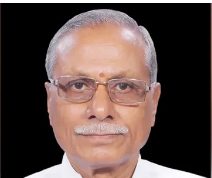
 By Brig Sarvesh Dutt (Pahadi) Dangwal (Retd)
The political history of India is replete with moments when regional aspirations have transcended the dominance of national political ideologies. These moments have given rise to regional political movements and parties that address the specific needs of local populations, often ignored by centralised governance frameworks. Over the past five decades, the emergence of regional parties across India has underscored the critical need for a political dispensation that aligns itself with the cultural, geographical, ethnic, and economic specificities of a region.
The State of Uttarakhand, carved out of Uttar Pradesh in 2000 after decades of struggle, embodies this regional aspiration. However, 24 years later, the promises of self-determination, development, and governance that fuelled its creation remain largely unfulfilled. Dominated by two major national political parties, Uttarakhand has witnessed stagnation in infrastructure development, inadequate health and education services, rampant corruption, and the exploitation of its natural resources. Unemployment, crony capitalism, and a politico-bureaucratic nexus have further deepened public disenchantment.
Amid this disillusionment, a powerful opportunity presents itself: the organised and disciplined community of veterans from the Armed Forces and Central Armed Police Forces (CAPFs) in Uttarakhand. With approximately 1,20,000 veterans residing across the state, they represent a reservoir of leadership, integrity, and commitment. By stepping into the political arena, this cohort has the potential to catalyse a much-needed transformation in Uttarakhand’s governance.
The Case for a Regional Political Alternative in Uttarakhand
The developmental trajectory of Uttarakhand reveals a glaring disconnect between the aspirations of its people and the policies implemented by successive governments. This disconnect is a consequence of two dominant factors:
1. National Ideology Superseding Regional Priorities: The two major national parties—despite their differing political ideologies—have consistently prioritised their national agendas over the regional needs of Uttarakhand. Policies are often designed with a broader national outlook, which fails to account for the unique challenges posed by Uttarakhand’s mountainous terrain, cultural diversity, and fragile ecosystems.
2. Systemic Governance Failures: Misrule, corruption, and an unholy alliance between politicians, bureaucrats, and corporate entities have stymied progress. Infrastructure projects often remain incomplete, health and education systems are in disrepair, and unemployment continues to drive mass migration from the hills to urban centres. The very essence of Uttarakhand’s identity—a land of pristine natural beauty and spiritual sanctity—is being eroded by unregulated development and resource exploitation. It also compromises National Security.
Given this context, there is an urgent need for a political alternative that prioritises regional aspirations, emphasises good governance, and restores the faith of the people in the political system.
Veterans: A Reservoir of Leadership and Integrity
Veterans of the Armed Forces and CAPFs bring unparalleled attributes to the table—discipline, organisational acumen, integrity, and a deep sense of duty. These qualities, honed through years of service, make them ideally suited to lead a political movement in Uttarakhand.
Organisational Strength and Unity
The veteran community in Uttarakhand is well-organised, with multiple associations and networks spanning both the Garhwal and Kumaon regions. These organisations are deeply embedded in local communities, providing a strong foundation for mobilisation and grassroots engagement.
Skill Sets and Competencies
Veterans possess a range of skills acquired during their service, including strategic planning, crisis management, and team leadership. These competencies are directly transferable to governance and policymaking. Additionally, many veterans have pursued higher education and diverse careers post-retirement, further enriching their knowledge base.
Commitment to Public Service
Even after retirement, veterans continue to serve society in various capacities, often stepping into roles as educators, entrepreneurs, and community leaders. This unwavering commitment to public welfare positions them as credible and trustworthy leaders capable of addressing Uttarakhand’s challenges.
Integrity and Accountability
One of the most significant advantages veterans bring is their reputation for integrity. In a political landscape plagued by corruption and nepotism, the veteran community offers a stark contrast, embodying accountability and transparency.
Key Challenges Facing Uttarakhand
Before delving into the potential solutions veterans can bring, it is essential to outline the major issues plaguing Uttarakhand:
1. Migration and Population Imbalance: The mass exodus from the hill regions to urban centres has left many villages deserted, undermining the socio-economic fabric of the state.
2. Infrastructure Deficits: Poor road connectivity, lack of reliable electricity supply, and inadequate water supply remain persistent challenges, particularly in remote areas.
3. Healthcare and Education: The absence of quality healthcare facilities and educational institutions in the hills forces residents to travel long distances, exacerbating the rural-urban divide.
4. Environmental Degradation: Unregulated construction, deforestation, and the exploitation of natural resources have disrupted Uttarakhand’s ecological balance, making it increasingly vulnerable to disasters.
5. Unemployment: Despite its rich cultural heritage and natural resources, Uttarakhand has failed to generate sufficient employment opportunities, particularly for its youth.
6. Corruption and Cronyism: The nexus between politicians, bureaucrats, and corporations has eroded public trust and stifled development.
The Vision for a Veteran-Led Political Alternative
The formation of a veteran-led regional political party in Uttarakhand offers a pragmatic and promising solution to these challenges. Such a party could focus on the following key areas:
1. Good Governance and Transparency
The veteran community, with its emphasis on accountability and ethical conduct, can usher in a new era of governance. Transparent decision-making processes, regular public hearings, and effective feedback mechanisms can rebuild public trust.
2. Infrastructure Development
A veteran-led political dispensation would prioritise infrastructure development tailored to Uttarakhand’s unique needs. This includes building all-weather roads, ensuring reliable power supply, and improving access to clean drinking water.
3. Revitalising Healthcare and Education
Veterans can leverage their organisational skills to establish quality healthcare facilities and educational institutions in remote areas. Initiatives such as mobile medical units and skill development centres can bridge the gap between urban and rural areas.
4. Promoting Sustainable Development
Recognising the fragile ecology of Uttarakhand, a veteran-led government would emphasise sustainable development practices. This includes promoting eco-tourism, regulating construction activities, and implementing effective disaster management systems.
5. Employment Generation
Veterans can spearhead initiatives to create jobs in sectors such as tourism, agriculture, cottage industries, and renewable energy. Special focus can be placed on empowering youth and women through vocational training and entrepreneurship programme.
6. Strengthening Regional Identity
A veteran-led political movement can safeguard Uttarakhand’s cultural and regional identity by addressing issues such as migration, native rights, and the preservation of traditional knowledge systems.
The Road Ahead: Building a Political Movement
To translate this vision into reality, the veteran community must undertake a systematic and strategic approach:
1. Uniting the Veteran Community
The first step is to consolidate the various veteran associations and organisations under a common platform. This requires effective communication, a shared vision, and a commitment to collective action.
2. Creating a Political Framework
The formation of a political party necessitates the establishment of a clear organisational structure, a well-defined manifesto, and a robust strategy for electoral engagement.
3. Grassroots Mobilisation
Veterans must engage with local communities to understand their needs and aspirations. This grassroots approach will ensure that the party’s policies are grounded in the realities of Uttarakhand.
4. Leveraging Public Support
Building alliances with like-minded individuals, NGOs, and civil society organisations can amplify the party’s reach and impact.
5. Demonstrating Credibility
Veterans must lead by example, demonstrating their commitment to public welfare through concrete actions. This includes undertaking pilot projects in areas such as education, healthcare, and disaster relief.
Conclusion
Uttarakhand stands at a critical juncture in its political history. The state’s challenges demand a bold and transformative approach, one that prioritises the welfare of its people over political expediency. The veteran community, with its unique blend of leadership, discipline, and integrity, is ideally positioned to provide this alternative.
By stepping into the political arena, veterans can not only address the pressing issues facing Uttarakhand but also inspire a broader movement for regional empowerment and good governance. This endeavour is not merely about politics; it is about fulfilling the promise of Uttarakhand’s statehood and creating a future where the aspirations of its people find their rightful place in the annals of progress and prosperity.