By Arun Pratap Singh
Garhwal Post Bureau
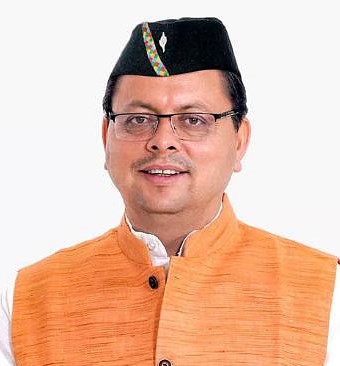
DEHRADUN, 13 May: In view of ongoing war in West Asia and Prime Minister Narendra Modi’s appeal for energy conservation, a series of significant decisions aimed at conserving energy and fuel have been taken during the Cabinet meeting chaired by Chief Minister Pushkar Singh Dhami at the Secretariat here today. Following the meeting, Uttarakhand Government announced a broad roadmap involving administrative reforms, sustainable transport measures, promotion of electric vehicles, domestic tourism, natural farming and clean energy initiatives.
During the meeting, Dhami said that after the Covid-19 pandemic, the Russia-Ukraine conflict and the ongoing crisis in West Asia had placed immense pressure on the global supply chain, particularly on fuel, food items and fertilisers. He said the global crisis has resulted in India having to face rising fuel costs, increasing import dependence and mounting economic pressure. Referring to PM Modi’s recent appeal, the CM said that citizens have been urged to contribute towards national efforts through small but practical behavioural changes, which are expected to have a positive impact on the general public. In line with this appeal, the state government has decided to implement several short-term and long-term reforms with immediate effect.
The Government has decided to encourage video conferencing-based meetings in government departments in order to reduce unnecessary travel and fuel consumption. The private sector will also be encouraged to adopt work-from-home practices wherever feasible. Simultaneously, the citizens will be motivated to make maximum use of public transport services.
In a major move towards reducing fuel consumption, the number of vehicles in the Chief Minister’s and ministers’ fleet will be reduced by half. The state government will also declare one day every week as a ‘No Vehicle Day’, during which the officials and the employees will be encouraged to work from home. Members of the public will also be inspired to observe one day every week as ‘No Vehicle Day’. Efforts will additionally be made to limit the use of air-conditioners in government as well as private buildings.
The Cabinet also decided to implement the principle of ‘One Officer, One Vehicle’. The Transport Department has been directed to enhance the service quality and operational capacity of public buses. The government employees will be encouraged to use public transport. The officials holding charge of multiple departments will be permitted to use only one vehicle during the course of a single day.
The government further announced that an effective Electric Vehicle policy would soon be introduced in the state. Under the proposed policy, 50 per cent of all new government vehicle purchases will mandatorily comprise electric vehicles. Expansion of EV charging stations and charging networks across Uttarakhand will also be undertaken on a priority basis.
The Cabinet further decided to limit official foreign tours. At the same time, the government will promote domestic tourism through the ‘Visit My State’ campaign. Extensive publicity and promotional campaigns will also be undertaken for heritage, religious, wellness, rural and eco-tourism circuits in Uttarakhand. The government will also encourage destination weddings in the state and provide a single-window clearance mechanism for such events. The CM observed that Uttarakhand had already initiated steps in this direction. Non-Resident Indians (NRIs) will also be encouraged to spend their holidays in Uttarakhand.
As part of public awareness efforts, campaigns such as ‘Mera Bharat, Mera Yogdan’ will also be launched to encourage citizen participation in resource conservation and economic strengthening. The government announced that it will also intensify the ‘Made in State’ campaign to boost sales of locally manufactured products. Strict compliance with ‘Make in India’” norms in government procurement will be ensured. In addition, the citizens will additionally be encouraged to limit gold purchases for the next one year in view of the prevailing global economic situation.
The Cabinet also laid emphasis on reducing edible oil consumption and promoting healthier lifestyles. Awareness campaigns will be conducted among the public regarding the health benefits of low-oil food. The schools, hospitals and government canteens will review their use of edible oil and take measures to reduce consumption. Hotels, dhabas and street food vendors will also be encouraged to adopt ‘Low-Oil Menu’ practices.
To strengthen the agriculture sector and reduce dependence on chemical inputs, the government announced that farmers would be provided training in Natural Farming, Zero Budget Farming and the use of bio-inputs. Awareness campaigns focusing on balanced fertiliser usage and soil health will also be organised across the state.
The Cabinet further stressed the need to promote clean energy initiatives. PNG (Piped Natural Gas) connections will now be expanded in mission mode, while hotels, restaurants and government residences will be encouraged to prioritise the use of PNG. Under the PM Surya Ghar Yojana, rooftop solar energy installations will be promoted extensively. The Panchayati Raj Department and Rural Development Department have also been directed to promote gobar gas projects in rural areas.
In another important decision aimed at accelerating economic activity, approvals for mining, solar and power projects will be expedited. A High Powered Committee headed by Chief Secretary Anand Bardhan has been tasked with granting approvals for proposals within 60 days.