Garhwal Post Bureau
Dehradun, 31 May: A 20-kilometre protest march was organised in Dehradun by the “Sthayi Rajdhani Gairsain Samiti” demanding that Gairsain be declared the permanent capital of Uttarakhand. Despite heavy rain, the march saw participation from former bureaucrats, social activists, journalists, and young people.
Protesters expressed strong dissatisfaction, arguing that even after years of statehood, successive governments have ignored public sentiment regarding Gairsain and remained unresponsive to what they consider a fundamental demand of the hill regions.
The movement was led by former IAS officer Vinod Prasad Ratudi, who issued a strong warning to the government. He stated that the 20-km march was only the beginning and announced plans for a much larger march from Dehradun to Gairsain if the demand is not met. He also indicated that activists are prepared to undertake an indefinite hunger strike and continue the struggle until Gairsain is declared the state’s permanent capital.
The committee’s media coordinator, 18-year-old journalism student and activist Parth Ratudi, criticised political leaders for focusing on ceremonial events and political receptions while neglecting what he described as the real concerns of Uttarakhand’s hill communities. He said the sacrifices made by those who fought for statehood and for Gairsain as the capital are being overlooked.
The movement also drew support from members of the Uttarakhand diaspora. Committee member Anil Bahuguna reportedly drove overnight from Delhi to participate in the march.
Other participants included former IAS officer SS Pangti and several social and public figures, along with hundreds of citizens who joined the demonstration.
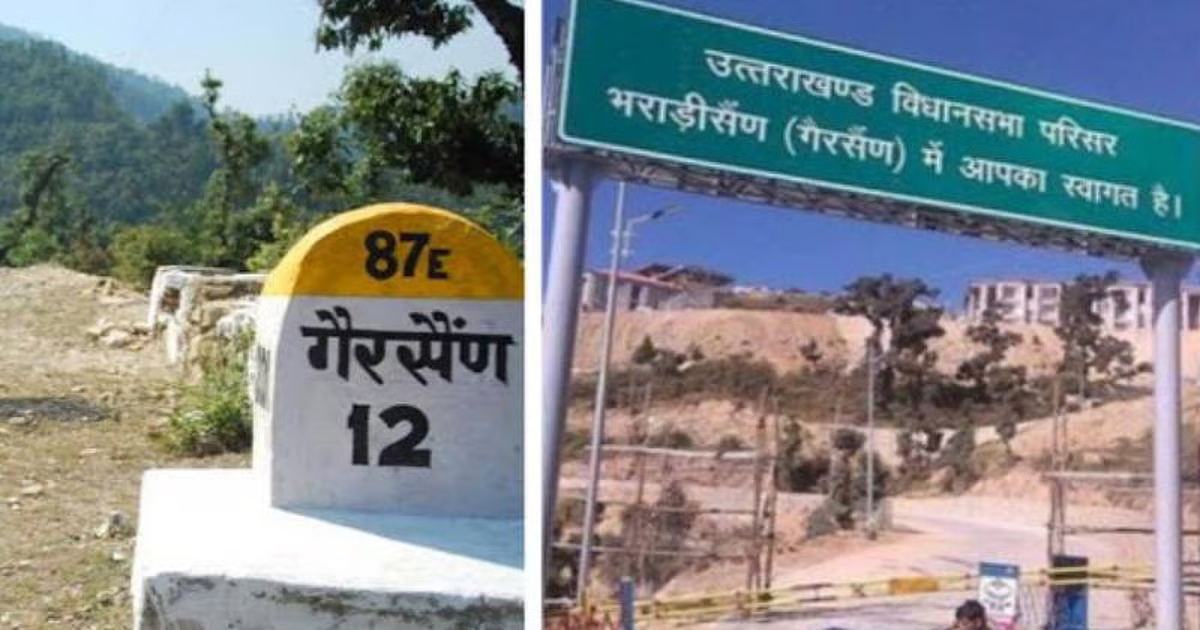
Gairsain has long been at the centre of a political and emotional debate in Uttarakhand. Supporters argue that its location in the hill region makes it a more representative capital and aligns with the aspirations of the statehood movement. Opponents and some policymakers have cited administrative, financial, and infrastructure-related challenges to making it the state’s full-time capital.