 By NITIN GAIROLA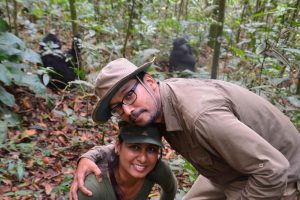
As you know, I focussed on the natural world of deserts, forests, grasslands and tundra, which are the 4 terrestrial biomes or living landscapes of Earth. Then there is the 5th biome type which is the marine biome of oceans, seas and all other fresh water bodies and I have already sailed over (in ships & ferries of course, not sailboats) all the major oceans and seas which are at least 100,000 square kilometres or larger.
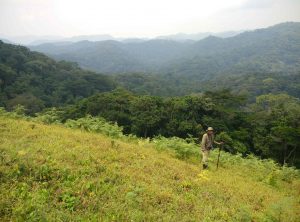
So besides visiting all deserts (which is a passion project), my other passion is to visit ‘All major Forests on Earth’ and become the first Asian and Indian to do so too. And if I can add all grasslands and all tundra regions to this list, then I would become the first person in the world to visit all major biomes of Earth in one lifetime (of course, fully aided by aeroplanes, ATVs, skilled drivers, guides, satellite phones & penicillin which many in the past didn’t have).
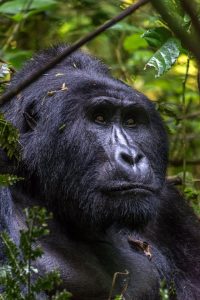
So today I will take you into the world of forests for just a high level ‘canopy’ view before we really get ‘into’ these wild places. But like all such stories, it started small. It began in my own backyard of Uttarakhand, when I along with my childhood friends, Abhi and Kanishka, went on a few trips to our national parks (NP) such as Jim Corbett NP and Rajaji NP besides other forested areas near the beautiful towns of Ranikhet, Mukteshwar, Nainital, Almora (in Kumaon) and Lansdowne, Tarkeshwar, Dhanaulti, Rishikesh, Narendra Nagar, Uttarkashi and Rudraprayag (in Garhwal). All these memories bring a lump to my throat.
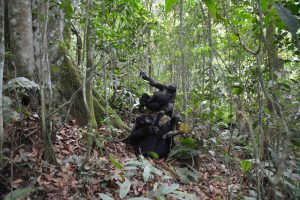
In one of these Uttarakhand travels in November 2006, in the stunning setting of Tadkeshwar Mahadev Mandir (with the background of deodar cedars), Dr GP Vashisht (Kanishka’s father) asked me a very profound question. He had been to around 50 countries back then and he asked if I had travelled to any so far. My answer was exactly 2 – my own country and the kingdom of Bhutan (where I had lived for 3 years as a kid). I was 26 years old when this question hit me straight down the middle, and then he gave me some very sound advice. He said, “Son, travel while you can, because you will not always remain the same”. While this sound advice sounds obvious and we hear such motivational messages all over WhatsApp and Instagram nowadays, the problem is that very few receive it as a wake-up call. In my case I was going through a major meltdown in my life at that time and it felt like the thing to do to get out of the blackness and the blues. To just go out and see the world, like the ‘entire world’ (I don’t do anything in moderation). But that time I didn’t know what ‘entire’ meant when it came to world travel. I was clueless and had no direction, either home or into what was out there.
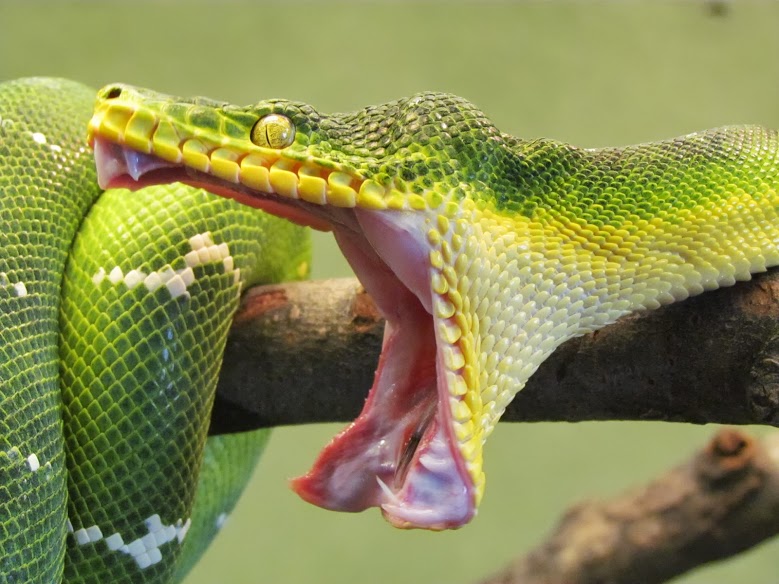
The ‘why’ of this world travel was even further away and I saw no major forest in the coming years when I visited England, Scotland, France, Switzerland and some South East Asian nations. In few of these places I did some treks into forested areas, but they were not really the classic forest or jungle ecosystems like those of The Amazon, The Congo Rainforest, the Giant Sequoias of America or the tropical forests of Mexico and our own Sundarbans mangroves.
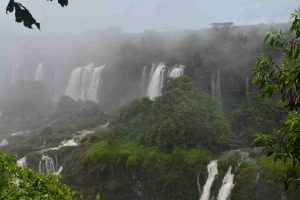
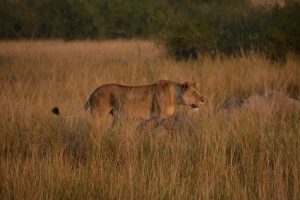
None of these happened for many years and it wasn’t until August 2012 (at age 32), that I got interested in wildlife and it all started with Kenya and then Tanzania in East Africa. But these were essentially grasslands or the Savannah, so that takes me to April-May of 2013 when I visited the tropical forests of Meso-America in Mexico, Guatemala and Belize. It was basically our Mayan adventure coupled with these deep treks into some very thick forests that grew over and around the Mayan ruins. Nature had reclaimed its land here.
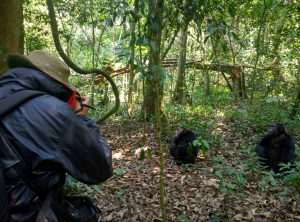
We went to the Amazon ecosystem (but not the Amazon River deep in the heart of the forest) and the Atlantic rainforests of Brazil, Paraguay and Northern Argentina. Later next year we found ourselves in the Congo Rainforest in the middle of the African continent. We also went to rainforests, marshes, swamps and wetlands in Uganda, South Sudan, Rwanda and Burundi. These were unforgettable adventures that left a deep impression in my mind. I was in love with the treks and all its accompanying dampness, sweat, the insect bites and the rest. All of this to just witness wildlife from a safe distance (with hopefully a few branches in between as well).
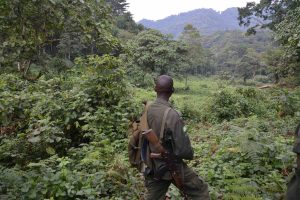
I also visited some jungles in India such as the incredible Sundarbans Delta and few of our national parks but then re-started the African wild with the far drier forests in Zimbabwe, Zambia and Malawi. In South East Asia we went to the forests in Cambodia, Northern Thailand, Laos and Burma. There were a few coastal forests as well (such as mangroves in Zanzibar and Langkawi) but we have always preferred the ones deep in the dark interiors for their richness of mega fauna such as Mountain & Lowland Gorillas, Chimpanzees, Bonobos, the smaller Forest Elephants and Rhinos to name a few. In such jungle travel you also get to meet a lot of tribes who are actually waiting for travellers (and that’s a good thing since you don’t want to meet those who weren’t expecting you).
So as I mentioned, forests cover around 30% of the land surface of our planet and just like other biomes, these are not constant in their shape, size and the permanence of their boundaries, but keep changing over long periods of time. Currently forests globally are shrinking due to deforestation. To put this in numbers and facts, the forest biome covered nearly 60% of Earth’s land not too long ago in the 1960s i.e. just 6 decades ago. With that one (not so fun) fact, we can say that deforestation has led to the disappearance of half of Earth’s forest cover, post the age of extreme population explosion from 1.6 billion in 1900 to 3 billion in 1960 and 8 billion plus today.
(Nitin Gairola is from Dehradun and has travelled the natural world more than almost any Indian ever. He has set world travel records certified by India Book of Records, has written for Lonely Planet, and holds National Geographic conservation certifications. He is also a senior corporate executive in an MNC and in his early days, used to be a published poet as well. More than anything else, he loves his Himalayan home.)