Garhwal Post Bureau
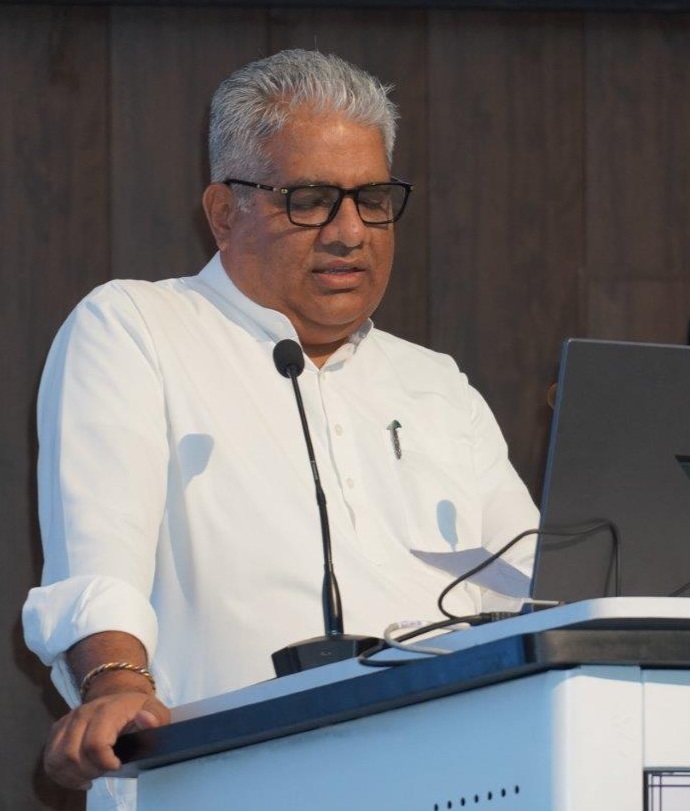
Dehradun, 26 Jun: Union Environment, Forest and Climate Change Minister Bhupender Yadav inaugurated the Indian Conservation Conference (ICCON 2025) at the Wildlife Institute of India in Dehradun on Wednesday. The three-day event, concluding on 27 June, has drawn a large gathering of students, researchers, forest officials and conservation professionals from across India and abroad.
In his keynote address, Yadav said that under Prime Minister Narendra Modi’s leadership, India is setting a global benchmark in biodiversity conservation. He pointed out that the number of tiger reserves has increased from 47 in 2014 to 58 in 2024, and Ramsar wetland sites have grown from 25 to 91 in the same period, reflecting a robust commitment to preserving wildlife and ecosystems. Highlighting flagship schemes like MISHTI, Amrit Dharohar and the Green Credit Programme, he underlined that India’s development model is anchored in the synergy of tradition, science and community trust. Expressing concern over the rising instances of tigers being spotted outside designated reserves, Yadav said the government is addressing this emerging conflict with urgency.

Calling upon the next generation to take the lead, he said young minds must weave together scientific knowledge, technological innovation and empathy to find sustainable solutions. He also stressed the urgent need for documentation and scientific application of traditional ecological knowledge to strengthen conservation efforts nationwide.
The conference began with an opening address by Bilal Habib, Scientist F and Organising Secretary of ICCON 2025, who outlined the event’s goals and collaborative ethos. The first plenary session featured a presentation by Hema Somanathan, Professor at IISER Trivandrum, who spoke on the sensory and cognitive ecology of bees, offering deep insights into their role in pollination, biodiversity and food systems.
Sushil Kumar Awasthi, Director General of Forests and Special Secretary, MoEFCC, said ICCON is a reflection of the Ministry’s resolve to strengthen conservation through evidence-based action and institutional collaboration. Director of the Wildlife Institute of India, Virendra Tiwari, described the conference as a living expression of India’s maturing conservation ethos, creating a confluence of science, policy and grassroots wisdom. The Dean of the Institute, Ruchi Badola, played a pivotal role in organising the conference.
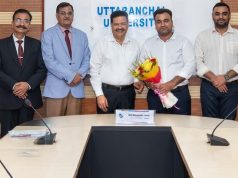
Need to strengthen the science-policy interface, integrate technology into patrolling and habitat monitoring in long-term conservation: Shri RK Pandey, ADG Forests (Wildlife)
Dehradun: The second day of the Indian Conservation Conference (ICCON 2025) being held at Wildlife Institute of India unfolded with powerful stories of research, resilience, and partnerships—spotlighting the next generation of conservationists and building bridges across science, community, and policy on Thursday. The conference was on 25th June inaugurated by Union Minister of Environment. Forest and Climate Change.
The second day of the conference opened today with a plenary by Dr Ramana Athreya (IISER Pune), known for his discovery of the Bugun liocichla, a striking and critically endangered bird species endemic to Arunachal Pradesh. A renowned astrophysicist-turned-ornithologist, Dr Ramana shared how academic research, tribal livelihoods, and biodiversity conservation can converge in community-led models from Arunachal Pradesh. His session highlighted the value of listening deeply—to both landscapes and people—and showcased how life thrives in India’s own backyards.
A round of speed talks followed, featuring young researchers speaking on topics like wildlife overpasses, gaur reintroductions, and bird diversity in human-modified landscapes—underscoring the conference’s dedication to platforming emerging voices.
Besides this, in the late morning, four parallel oral presentation sessions took place, covering themes such as species and habitat modelling, wildlife physiology and ecological monitoring, coexistence with large herbivores, urban and community-linked biodiversity challenges.
A key highlight in the afternoon was the International Big Cat Alliance (IBCA) session, which brought together experts from India, the UK, the US, and Africa to discuss global strategies for conserving big cats—from lions and leopards to jaguars and pumas. Speakers from World Wide Fund (WWF), Snow Leopard Trust, and Go Insight UK shared innovations ranging from science-driven enforcement to community partnerships and data-led trade monitoring.
The second plenary of day two was delivered by Ramesh Kumar Pandey, Additional Director General of Forests (Wildlife), MoEFCC. A decorated officer and UNEP Asia Environmental Enforcement Awardee, Pandey spoke about the need to strengthen the science-policy interface, integrate technology into patrolling and habitat monitoring, and support frontline staff and community actors in long-term conservation.
This was followed by a spotlight talk by Dr Jitesh Jhawar (Ahmedabad University), who explored the collective behaviour of animal groups—from fish to bees—and how insights from behavioural ecology can inform AI, monitoring systems, and conservation design.
The day concluded with a wildlife documentary screening — Den-Mo, featuring the Himalayan brown bear, from the award-winning series On the Brink Season III. The film offered a cinematic reflection on the fragile beauty of India’s mountain ecosystems and the challenges of coexistence in a changing climate.