 By Devendra Kumar Budakoti
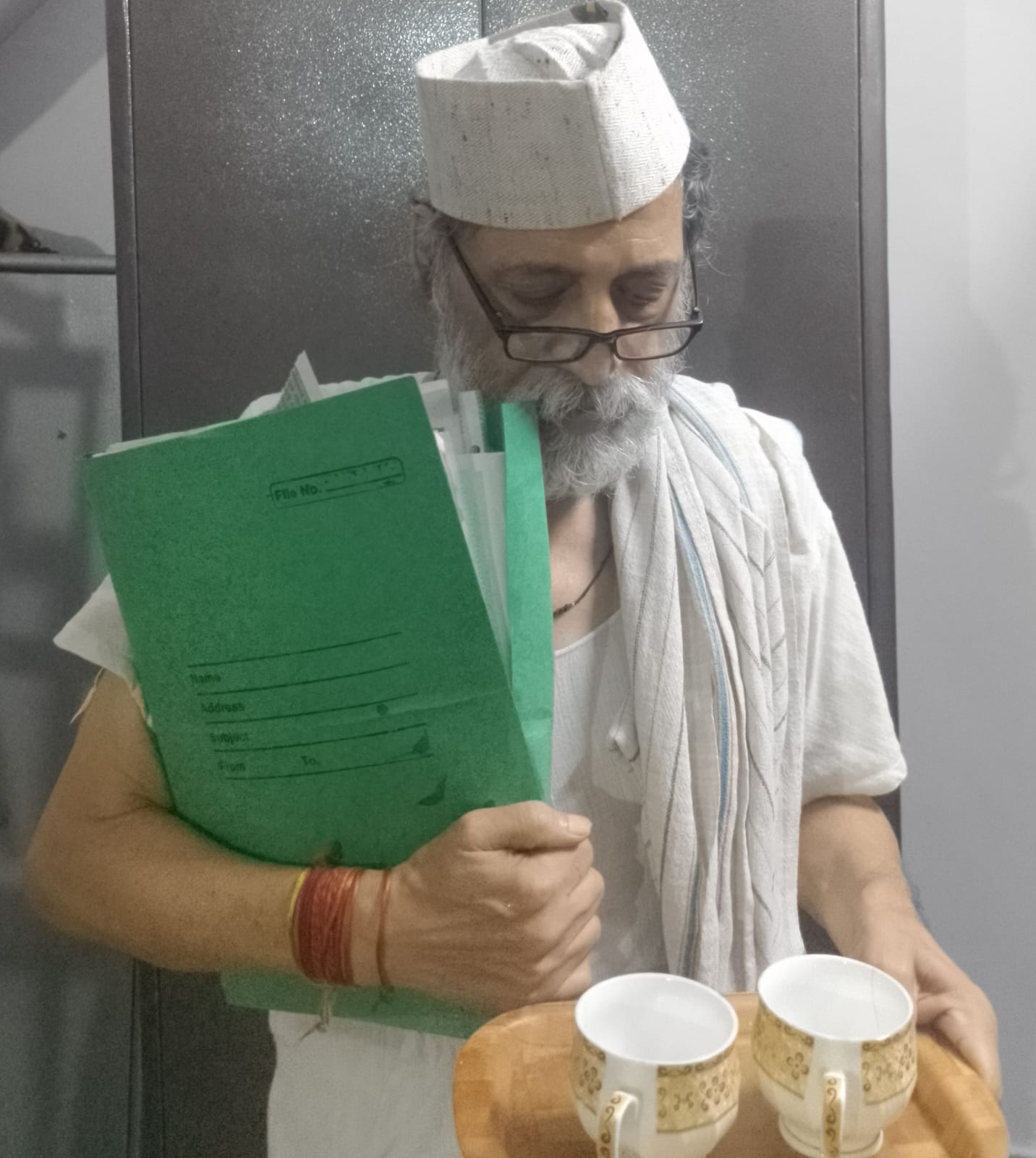
In the British period, the feudal system was promoted to collect revenue from the individuals and from group of villages, with Landlords-Zamindars, also called Choudhary in some parts of India. These Zamindars had a plethora of servants, helpers to assist them in various activities at home and official residences. The British civil servants, military and other Indian officials also enjoyed similar services. All the helpers, Peon-Chaprasi, and other such staff are now clubbed as class four employees in post independent India, a more respectable term. Post inpendent India continued the pattern of appointment in government offices and also in Public Sector Undertakings. The corporate world has the same pattern, though they call it ‘Office-Boy’ and most corporate and PSUs have outsourced this task, under the hotel management system, calling it ‘House-Keeping’. But the mindset has not changed even in the private sector, by having a person to move files, serve water and tea, despite having a ‘Pantry System’ in place.
We have this feudal system even in middle class homes in India, as the ‘house-keeping’ is done by a full or part time servant and a maid to clean, mop up, and clean utensils. Otherwise the men and women of the house will easily say, “Mujhe Naukar/Naukrani bana rakha hai!” And these very able men and women, when living abroad, will do all these activities by themselves, as they will have to pay the helping hand on hourly basis, Of course, some families will call their mother or mothers-in-law to help them in taking care of their newly born child.
Sanjay Tiwari, who is an Advisor with the Government of British Columbia’s Ministry of Water, Land and Resource Stewardship, observes that India’s bureaucratic legacy of ‘Class IV employees’—chapraasis, peons, and drivers—was deeply rooted in colonial-era feudal hierarchies, where personal attendants symbolised rank as much as they served practical needs. In contrast, he notes, Canada’s public service evolved differently: while support roles such as clerks, orderlies, and maintenance staff certainly existed, they were tied to operational efficiency rather than to reinforcing subordination. Over time, Canada’s bureaucracy was shaped by unionisation, collective bargaining, and an emphasis on meritocracy, which reduced personal servitude and left hierarchy to be managed through pay scales and professional classifications instead. Tiwari argues that this divergence illustrates how India retained stronger feudal residues in its everyday bureaucracy, whereas Canada moved toward a more egalitarian—though still hierarchical—administrative culture.
When the Government of India in New Delhi, shifted its offices to its new location in Central Vista, the senior subordinate officers showed their discontentment in writing, as they were not allotted separate cabins, which they enjoyed earlier. What does this mindset portray?
Back home, labour is cheap and most middle class homes in India have a part time maid to sweep, mop and wash the utensils. I was told by a grandmother that, once, when she told her grandson to sweep the front lawn which had some twigs scattered around, the grandson replied, “Grandma, is that why I am doing engineering?” Imagine how the feudal mindset has cropped up in India. Menial jobs done at home are generally abhorred in urban middle class homes. But when it comes to taking class four employment, we can see applicants with Masters, PhDs in the queue, just because of the Pay, Perks, Privilege, and some form of Pension. Sadly, our private sector could not compete with even the class four appointments, in all these years. No wonder everyone wants a government job.
In the coming days, we will surely see the contracting out of the task of ‘Room Services’ and ‘House Keeping’ and with the ‘Online System’ already having made an entry, soon officers may come to their office in their personal vehicles. Can we then expect feudalism in mind and in operations coming to a gradual end, with technological advancement and use of ‘AI-Artificial Intelligence’?
(Devendra Kumar Budakoti is a sociologist with extensive experience in the development sector.)