Garhwal Post Bureau
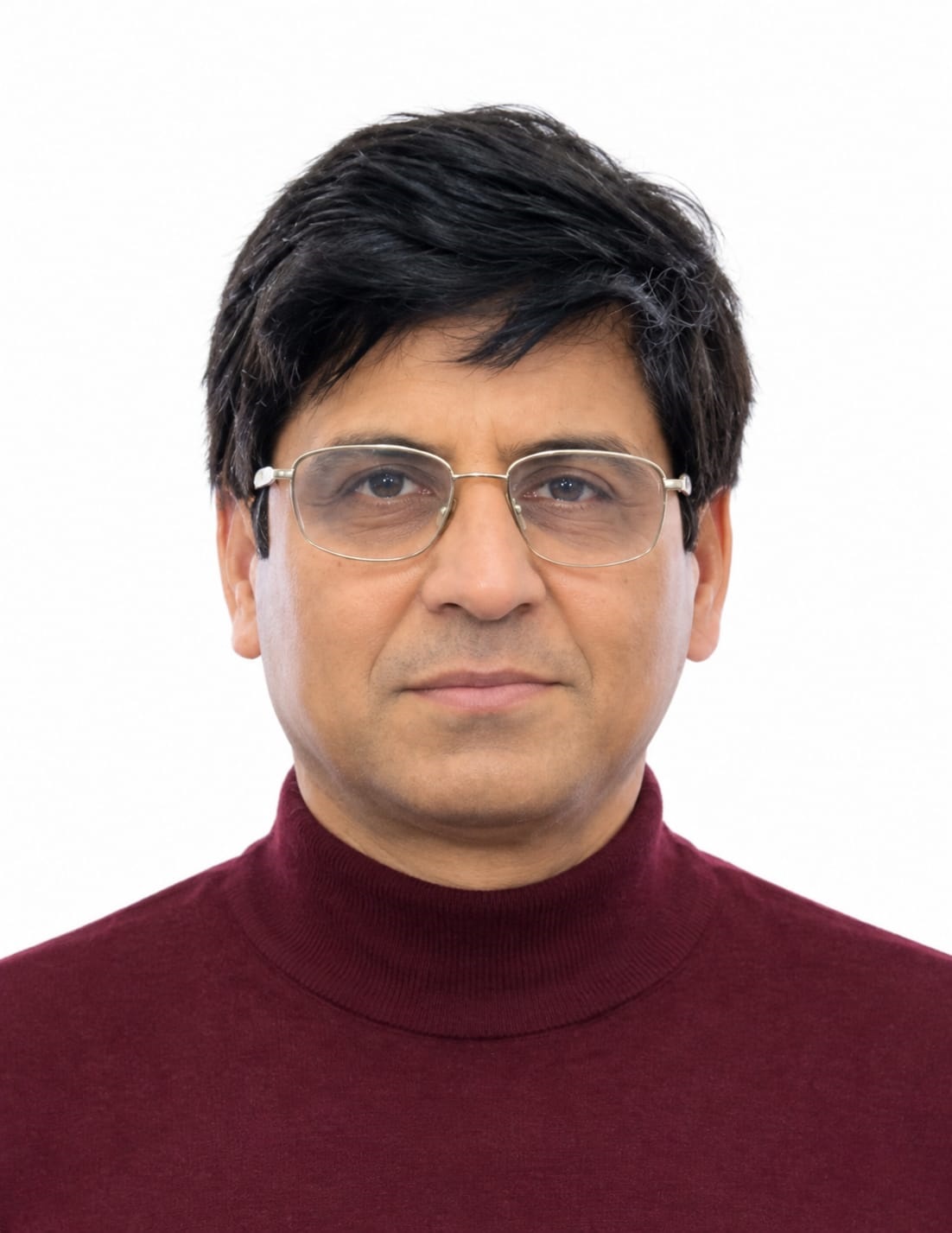
DEHRADUN, 20 Nov: Renowned novelist Prof Vikas Sharma, who is on a visit to Doon currently, stated on Friday, that the literature serves as a powerful medium for preserving and celebrating India’s cultural heritage, civilisation, history and traditions across generations.
He was delivering the keynote address during an academic session on the theme, ‘Understanding India through Literature’, organised as part of a two-day international conference under the aegis of the Faculty of Languages at Doon University.
Sharma said India’s rich cultural ethos finds expression in most Indian languages as well as in Indian English literature. Citing examples from Hindi, Sanskrit, Punjabi, Urdu and Indian English literature, he observed that literary works have played a significant role in documenting and disseminating the country’s cultural values, historical experiences and civilisational legacy.
Referring to prominent literary figures, he said Indian English writers such as Rabindranath Tagore, Sarojini Naidu, RK Narayan, Raja Rao and Sri Aurobindo have vividly portrayed India’s natural beauty, ancient traditions and social values through their writings. Similarly, leading Hindi literary personalities including Jaishankar Prasad, Suryakant Tripathi ‘Nirala’, Ramdhari Singh Dinkar and Mahadevi Verma have made invaluable contributions by depicting the spirit and cultural consciousness of India in their works.
He further noted that India’s historical and cultural heritage encompasses the enduring traditions of the Vedic age as well as the teachings and influence of Gautama Buddha and Jainism. He added that the Bhakti and Sufi movements have also played a crucial role in shaping India’s social and cultural fabric, and these diverse strands of thought continue to find expression in the country’s literary traditions.
Responding to a question on the recently released film Ramayana Part 1, Sharma shared his views on its cinematic presentation. He said the film is visually impressive and showcases remarkable use of technology, while its songs have been crafted effectively. However, he felt that despite its technical excellence, the film does not evoke the level of reverence and devotion one might expect from a retelling of the epic.
Commenting on specific scenes, he said the depiction of the battle between Jatayu and Ravana has been presented powerfully and leaves a strong impact on viewers. At the same time, he remarked that the portrayal of Sita engaging in combat appears awkward and somewhat unconvincing. Overall, he described Ramayana Part 1 as a film worth watching once and praised the performances delivered by the cast.
Sharma emphasised that literature remains one of the most enduring repositories of a nation’s collective memory and cultural identity, helping future generations understand and appreciate the values, traditions and historical experiences that have shaped India over the centuries.