Garhwal Post Bureau
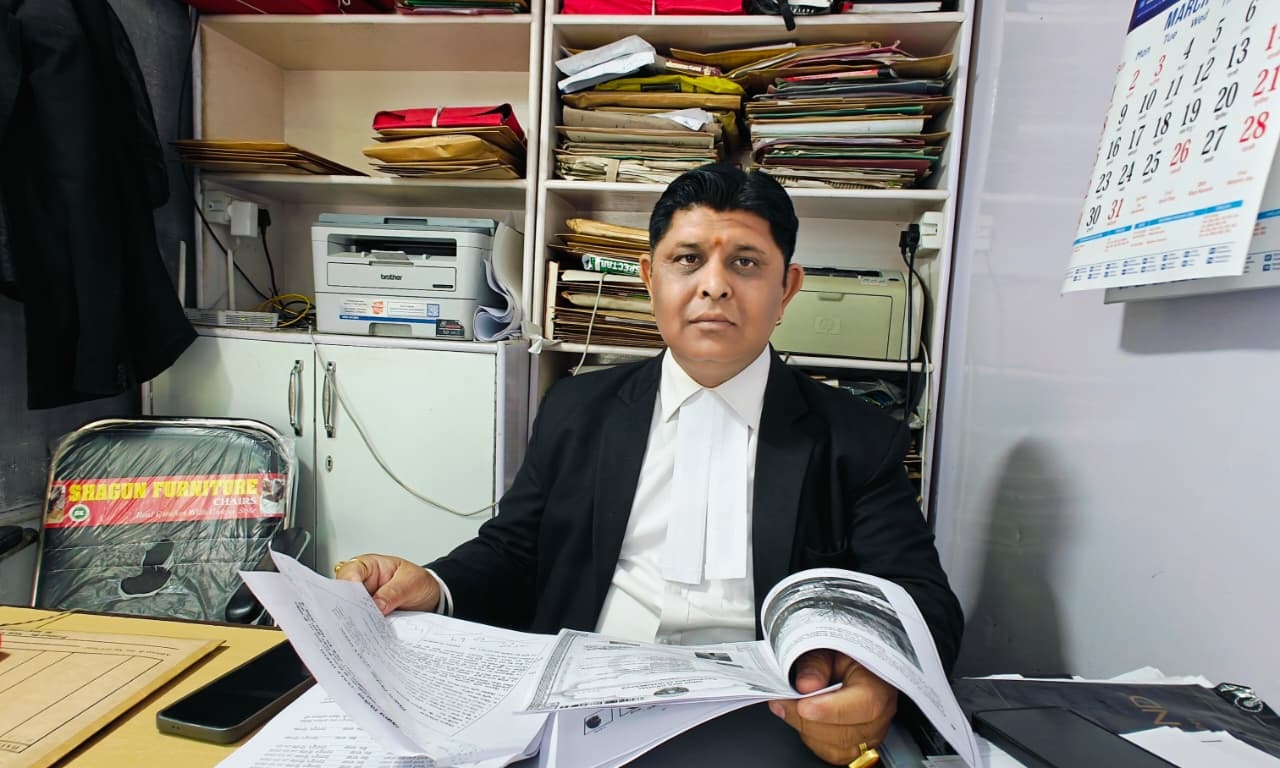
Dehradun, 25 Mar: Advocate and social activist Vikas Singh Negi has raised serious questions about the recent proposals of the Shri Badrinath-Kedarnath Temple Committee (BKTC) based on documents obtained under the Right to Information (RTI) Act. Negi has alleged that some decisions taken by the current BKTC board not only weaken the administrative system but also appear to promote commercialism at religious sites. Speaking to reporters, Vikas Singh Negi stated that he had requested detailed details of meetings held by the current board since its formation from the BKTC under the Right to Information Act. In response, the Public Information Officer of BKTC provided a photocopy of the resolutions from the board meeting held on 9 July 2025, and a copy of the letter sent to the government. Studying these documents revealed several important facts that warrant public debate and review.
Regarding the change in the CEO qualifications, Vikesh Singh Negi stated that the board meeting passed a proposal to amend the qualifications for the position of Chief Executive Officer (CEO). According to the proposal, the 1985 service rules required a bachelor’s degree for the CEO position, while the new service rules, implemented in 2023, amended this provision to require a first-class Gazetted Officer.
However, the current board has recommended removing this provision, calling it “one-sided” and “incompatible with a changing system”. Calling this argument completely impractical, Vikesh Singh Negi said that experienced IAS officers are appointed as CEOs in most of the country’s major shrine boards—such as Vaishno Devi, Tirupati Balaji, etc. —to maintain administrative transparency and efficiency. He added that any laxity at the administrative level at a world-renowned institution like the BKTC, which is a centre of faith for millions of devotees, could have serious consequences. Vikesh Singh Negi said, “If a CEO is appointed solely on the basis of a graduate degree, it could impact the management system and raise questions about transparency. This could impact the administrative system.”
Negi further stated that the service rules formulated in 2023 were intended to make BKTC’s administration more professional and accountable. It clearly stipulated that appointment to the CEO position would require a Class I Gazetted Officer with administrative experience. He stated that this rule ensures the appointment of senior PCS or IAS officers, strengthening the decision-making process. Therefore, attempts to remove this provision could adversely impact both the organisation’s credibility and functioning. Another important proposal
revealed in the documents obtained through RTI is that BKTC has set a minimum fee of Rs 11 lakh for special pujas. According to the proposal, some industrialists and major donors in the country have expressed a desire to have special pujas performed in the name of their families or foundations, and this arrangement has been proposed in light of this. Responding to this, Vikesh Singh Negi said that devotion and faith should be paramount in temples, and special facilities should not be provided based on economic status. “Such proposals promote class discrimination and commercialism in religious places, which is against our traditions and values,” he said.
Appealing to maintain the dignity of religious sites, Negi demanded that the state government seriously consider these proposals submitted by the BKTC and not approve any decisions that would compromise the dignity, transparency, and administrative efficiency of the shrines. He stated that the Badrinath and Kedarnath shrines are centres of faith not only for Uttarakhand but for the entire country. The arrangements here should be conducted with the highest levels of transparency, fairness, and professionalism. Finally, Vikesh Singh Negi clarified that, if these proposals are not withdrawn, he would raise this issue widely in the public interest and, if necessary, even seek legal recourse.