By Arun Pratap Singh
Garhwal Post Bureau
Dehradun, 1 Jul: While the arrival of the southwest monsoon in Uttarakhand today has brought much-needed relief from the summer heat, at the same time, the very first spell of heavy rain has also exposed glaring deficiencies in Dehradun’s civic infrastructure. The very first monsoon rain in the city left many areas of the state capital waterlogged and laid bare the claims of the administration and Doon Nagar Nigam regarding preparedness for the monsoon season.
The India Meteorological Department (IMD) had already issued a three-day heavy rainfall alert for several districts of the state, and the warning proved largely accurate on the very first day of the monsoon. Heavy rainfall on the first day of July inundated several parts of Dehradun, disrupting normal life and causing severe inconvenience to commuters.
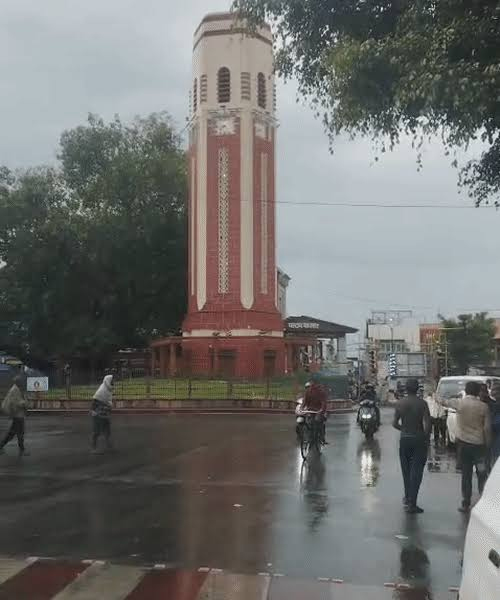
Rain, which began in the morning, continued for several hours and left many roads, markets, residential colonies and commercial areas submerged. Waterlogging was reported from several prominent localities, including Dalanwala, ISBT, Ghanta Ghar (Clock Tower), Prince Chowk, Saharanpur Road, Patel Nagar and Nehru Gram and several other places making movement difficult for pedestrians as well as motorists.
At several places, the roads resembled small streams as rainwater accumulated rapidly. Motorists remained stranded in long traffic jams, while the city’s drainage infrastructure came under severe strain. In many low-lying areas, drains and stormwater channels failed to cope with the volume of rainwater, resulting in streets, lanes and residential localities being inundated.
Doon residents faced considerable difficulty in reaching their homes and places of work, while shopkeepers also reported inconvenience due to waterlogging in commercial areas. Two-wheeler riders were among the worst affected as they struggled to negotiate waterlogged roads. Traffic movement across several major routes slowed significantly, leading to prolonged congestion and delays during the morning peak hours.
The situation once again highlights the recurring problem of flooding that surfaces almost every year with the onset of the monsoon. The local residents pointed out that despite repeated instances of waterlogging during previous monsoons, no permanent and effective solution has yet been implemented to address the Capital’s drainage problems. Several times, the administration and the government have spoken about the drainage plan for the city but all these years, the plan remains only in the files.
Meanwhile, the India Meteorological Department has issued a heavy rainfall warning for most districts of Uttarakhand from July 1 to July 4. According to the forecast, several places in Dehradun and Bageshwar districts are likely to receive heavy to very heavy rainfall on July 1. The department has also warned of possible landslides in vulnerable areas and sudden rises in the water levels of rivers and streams.
For July 2, the IMD has forecast heavy rainfall in Dehradun, Tehri, Pauri, Nainital and Bageshwar districts. The department has also cautioned that some places in these districts may experience thunderstorms accompanied by lightning and strong winds.
According to the forecast for July 3, Nainital, Dehradun, Uttarkashi, Chamoli, Pauri and Bageshwar districts are expected to remain under the influence of widespread rainfall. Continuous rain in the hill districts may trigger landslides, road blockades and a rise in the water levels of rivers and seasonal streams. The administration and all concerned departments have been advised to remain on alert and take necessary precautionary measures.
The IMD has further indicated that the spell of rain is likely to continue on July 4 as well. Heavy rainfall has again been forecast for Pauri and Bageshwar districts. In the plains, including Haridwar and Udham Singh Nagar, light to moderate rainfall accompanied by thunderstorms and lightning is also likely.
In view of the continuing rainfall and the weather alerts issued by the IMD, the administration has appealed to the public to exercise caution. People residing near rivers and seasonal streams, travellers heading towards hilly areas and residents of landslide-prone locations have been advised to remain vigilant. The administration has also stated that disaster management teams will remain on standby and that the situation is being monitored continuously.
While the onset of the monsoon has provided welcome relief from the intense summer heat, it has simultaneously brought to the fore the challenges associated with heavy rainfall. The extensive waterlogging witnessed in Dehradun on the very first day of the monsoon has underlined the urgent need to strengthen urban drainage infrastructure and improve disaster preparedness. If the present spell of rainfall continues in the coming days, the difficulties faced by residents in urban areas are likely to increase further, making it imperative for both the public to heed weather advisories and the authorities to reinforce their preparedness for the remainder of the monsoon season.