Garhwal Post Bureau
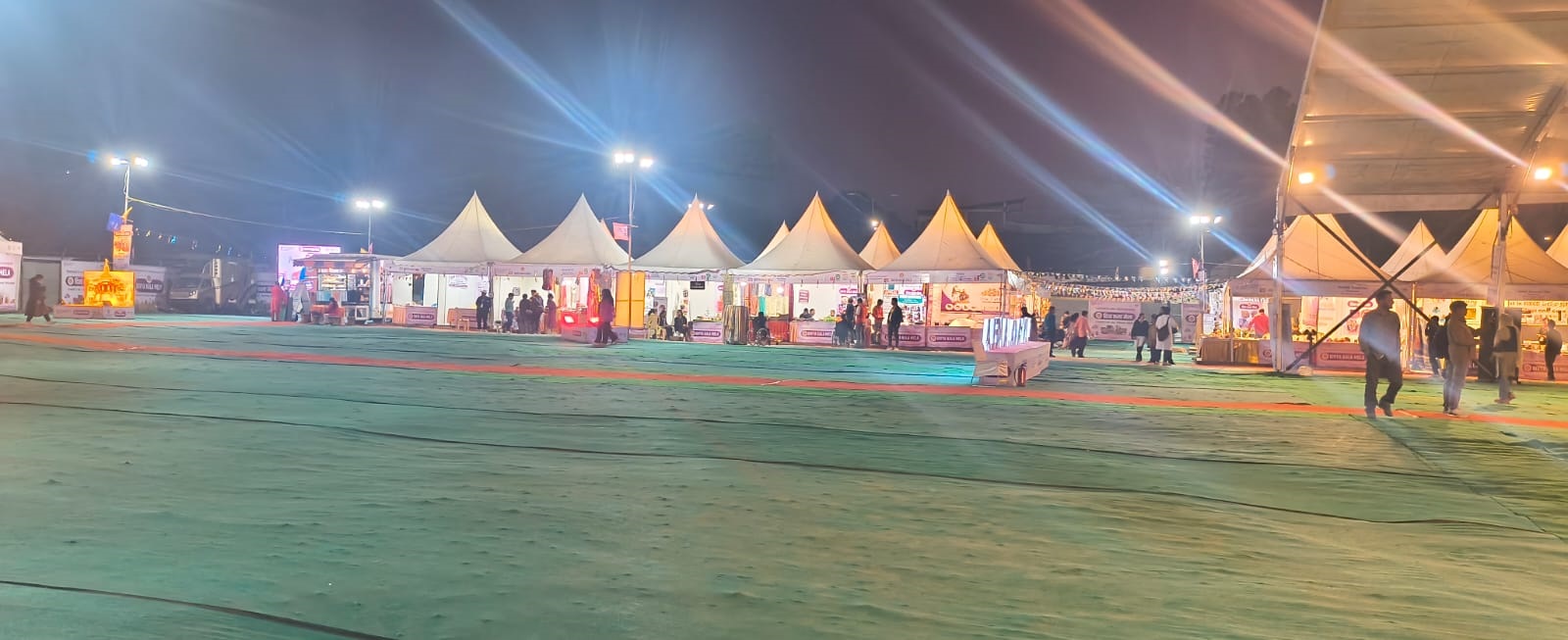
Dehradun, 3 Mar: From February 21 to March 1, Rangers Ground here hosted the ‘Divya Kala Mela 2026’, organised by the Department of Empowerment of Persons with Disabilities (DEPwD). The nine-day exhibition brought together over 100 Divyang artisans and entrepreneurs from 16 states, showcasing handicrafts, textiles, food products, and cultural performances.
Among the participating organisations was Raphael Centre. Its students managed a food stall with enthusiasm and confidence and presented a vibrant fashion show featuring traditional attire from various Indian states — a celebration of culture, creativity and ability.
The initiative was thoughtful and the talent undeniable. Yet, for much of the mela, the turnout remained modest. The audience largely consisted of families, professionals, volunteers and organisations already connected to the disability sector. The wider community’s presence was limited.
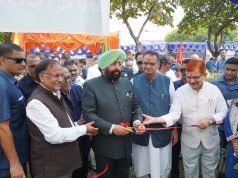
Interestingly, the closing ceremony saw a houseful gathering. The grounds were lively and crowded, largely due to the presence of political leaders at the valedictory function. While the strong attendance on the final day was heartening, it also led to reflection: why should visibility depend on dignitaries? Why could the same enthusiasm not fill the grounds throughout the nine days — for the artisans and performers themselves?
Providing free stalls and platforms to Divyang entrepreneurs is an important step. But empowerment truly takes shape when there are people to engage, appreciate and purchase their work. Inclusion is not only about creating spaces; it is about ensuring participation.
Research underscores this need for belonging. A 2024 Australian study by Bishop, Llewellyn and Kavanagh found that 39 per cent of people with intellectual disabilities often feel lonely, compared to 14 per cent of people without disabilities. A 2019 report by Mencap in the United Kingdom noted that people with intellectual disabilities are seven times more likely to experience loneliness than the general population.
In this light, public presence at such events is not symbolic — it is affirming. It communicates: you are seen, you are valued, you belong.
While the initiative by the Department of Empowerment of Persons with Disabilities is commendable, future editions could benefit from stronger city-wide promotion, partnerships with schools and colleges, wider media engagement, and collaboration with local community groups to draw a more diverse audience. Inclusion becomes meaningful when policy meets participation.
The Divya Kala Mela was more than an exhibition; it was an invitation to the community. Showing up — not only on closing day, but throughout — may be the simplest yet most powerful step toward a truly inclusive society.
(Contributed by Raphael Centre)