Around the World with the Most Travelled Indian
 By Nitin Gairola
As we all know, the Arabian Peninsula is part of the Arabian tectonic plate (hence a subcontinent) and includes present day nations of Saudi Arabia, UAE, Oman, Yemen, Jordan and the smaller countries of Kuwait, Qatar and Bahrain.
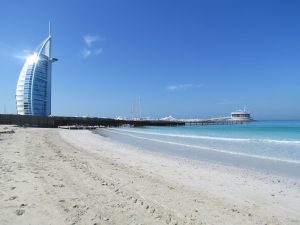
On 8th April 2026 a two-week ceasefire was announced between US and Iran and with that, in some small portion, peace returned to the Arabian Peninsula which was being bombarded last month. And all this for really no fault of these nations that are prosperous and thriving and want anything but a war.
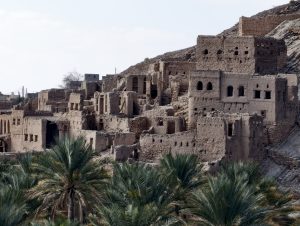
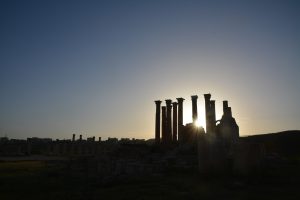
However, they do find themselves within a generally volatile region of West Asia and have the warring Iran and Israel as their neighbours. But leave aside these two countries and also Palestine, Iraq, Syria and Yemen and you then realise that that rest of West Asia is actually extremely progressive and largely peaceful. It’s been like that for many decades (think back to World War II) and this also happens to coincide with the age of jumbo jets and abundant world travel. Modern day travellers have really made the most of it by visiting UAE in multitudes and if you leave aside tourists, millions of expats have also settled in the mega cities of Dubai and Abu Dhabi and now call it home. I have many friends and acquaintances there as well, just as most of us do.
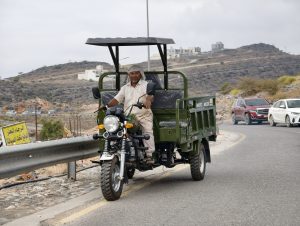
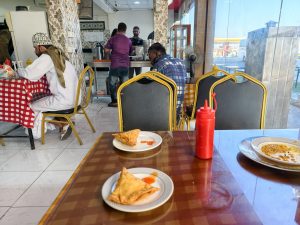
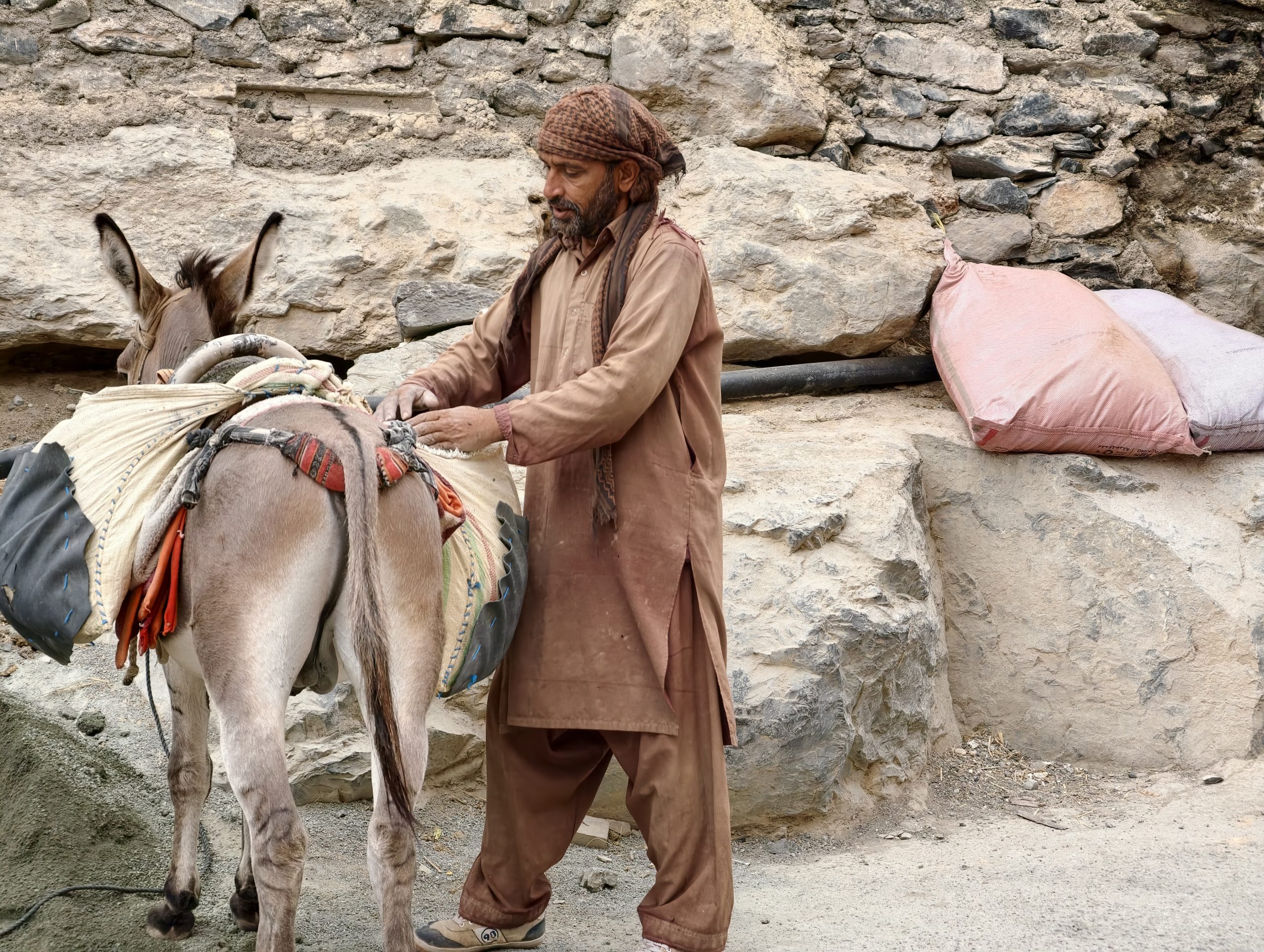
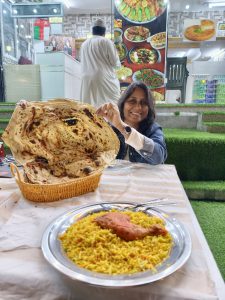
So in with the theme of peace, I thought instead of writing about war impacted places of West Asia, let me also show the peaceful everyday side of the Arabian Peninsula through some images, since it’s not all doom and gloom here. Far from it, this area has some of the kindest and friendliest people living in peace, no different from the peace that is there in the so called ‘first world’, which is an archaic term now.

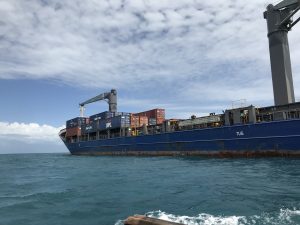
In fact, most people of the desert grow up in strong communities due to the hostile nature of the land itself and this leads to general kindness and compassion towards both family and strangers. This is something not limited to the deserts of West Asia but applies equally to all places that are in or near deserts across all continents. The opposite is also true and it is most highly pronounced in West Europe where the sense of community and general compassion or connection is the weakest that I have witnessed anywhere in the world. In some west European countries – parents, children, family and friends take appointments to meet each other and it is something very difficult for me to fathom.
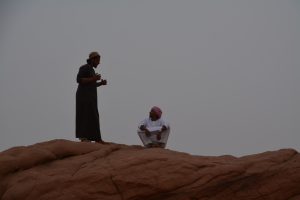
Over time we have visited some very interesting and sometimes obscure places in the peninsula and have had some wonderful interactions and they are the ones that come first to mind when we reminisce a place. It’s the people who make the place interesting and not the other way around.
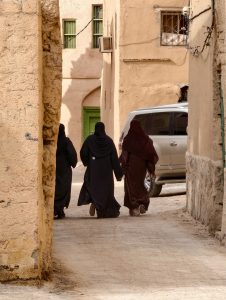
Another thing that becomes obvious in not just the Emirates but in every country here (except the war town ones), is that they are full of immigrants and the people of the Indian subcontinent are everywhere. For every interaction with an Arab I have had a corresponding one with either an Indian, Pakistani or a Bangladeshi and sometimes a Sri-Lankan. None really with a Nepalese or a Bhutanese if I were to mention all the 6 countries that make the Indian subcontinent, which is also a separate tectonic plate of the planet and hence separate from the main Asian landmass, in the geological sense, not political. To point out a cliché (and something which every world traveller immediately picks up) is that abroad, all people from the subcontinent become one. Between Hindi, Urdu and Bangla, all conversations somehow make sense and if nothing else, English is a good fall-back option. So, it seems when we need each other in a strange new world, we can come together.

Overall, it’s good to see the world getting ‘straitened’ and we have lovely environment friendly oil tankers plying the sea routes once again (I can joke, can’t I?). But seriously, almost everyone there is welcoming peaceful skies above as they have been for many long phases in human history. And my advice to budding historians and history enthusiasts alike is that you don’t have to believe every word coming out of the mouth of a western politician. This West Asian land is ‘not a mess’ and the ‘conflict’ is not 6,000 years old. It’s almost as old as the time when the personal computer or PC made its first appearance and I am quite sure the PC event wasn’t during with the stone or the bronze age.

History is being not just made, but re-made every day. To add to that, people are reading less and less books and depending on digital sound bites for their ‘knowledge’, making the fast spread of misinformation a major modern-day risk; and that’s a thing of historic proportions. Most of the world today is actually at peace most of the time, no matter what some media houses want to portray. Thank God we are not living in the stone age.
Nitin Gairola is from Dehradun and is an extreme world traveller who has seen the natural world extensively and is often referred to as the ‘Most Travelled Indian’. He is on a quest to become the first person to travel to every major desert, forest, grassland, tundra & ice biome on Earth, besides every country. Nitin has set world travel records certified by India Book of Records, has written for Lonely Planet, holds National Geographic conservation certifications and loves Bio-Geography. He is also a senior corporate executive in an MNC and in his early days, used to be a published poet as well. Join him @ www.instagram.com/MostTravelledIndian/