Dhami Govt’s Cabinet decisions
By Arun Pratap Singh
Garhwal Post Bureau
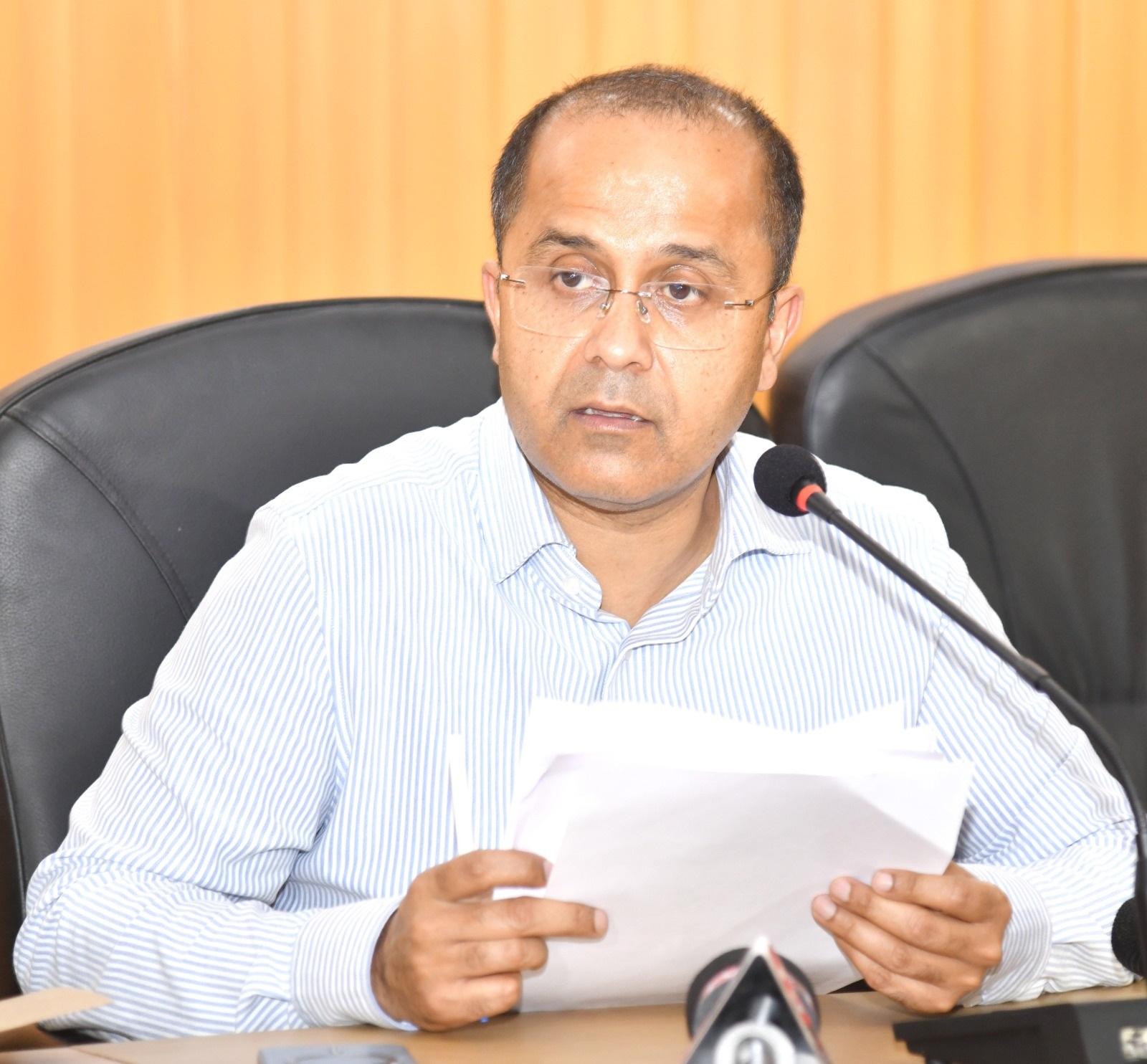
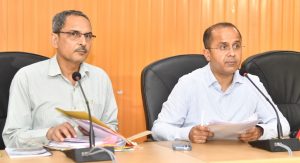
DEHRADUN, 13 May: The Uttarakhand Cabinet meeting chaired by Chief Minister Pushkar Singh Dhami at the Secretariat here on Wednesday approved 19 significant proposals covering a wide range of sectors, including voluntary chakbandi (land consolidation) in the hills, energy conservation measures, reforms in homestay operations, restructuring in the medical education sector and creation of new government posts in various government departments.
One of the most important decisions taken during the Cabinet meeting was the approval of the Voluntary Chakbandi Promotion Policy for the hill areas of the state. Under the new initiative, 10 villages in every district will initially be selected for implementation of voluntary land consolidation locally called as chakbandi. The government has decided that consent of at least 75 per cent of villagers will be mandatory for carrying out the process. A Chakbandi Committee will also be constituted and objections arising during the process will be resolved within 120 days. The Government stated that the entire process would be managed through digital systems in order to ensure transparency and efficiency. The Cabinet also approved the Uttarakhand State Chakbandi Personnel adjustment Rules, 2026.
However, it may be added here that efforts have been made in the past too to promote and encourage voluntary land consolidation (called as Swaichhik Chakbandi). The then Trivendra Singh Rawat Government had made serious efforts to push voluntary land consolidation in the hills but the move did not get due support and action on part of the villagers. It may also be reminded here that in the hills, agriculture land holdings are scattered and in case voluntary land consolidation is taken up, it can improve the productivity of agriculture and horticulture crops and boost profit.
In another key tourism-related reform, the Cabinet on Wednesday approved amendments to the Uttarakhand Tourism Travel Business Registration Rules. Under the revised norms, homestay operators will now be allowed to operate up to eight rooms instead of the earlier limit of six. The government has also made it mandatory for the operator to reside within the same premises. Renewal of homestay licences will now take place automatically through the online payment system, providing significant relief to operators and reducing procedural delays.
Several other important decisions were also taken in the medical and health education sectors. The Cabinet gave its nod to restructuring of the Directorate of Medical Education and approved a hike in the number of posts from 29 to 40. In order to address the shortage of faculty members in government medical colleges, appointments of contractual employees can now be made at the secretary level. The Cabinet also approved equal pay for equal work for 277 contractual and daily wage employees working at Government Medical College, Srinagar since 2009.
In addition, the Gpvernment also approved restructuring of the laboratory technician cadre in accordance with prescribed standards. As part of the move, 266 new posts of Medical Lab Technical Officers will be created. In another decision aimed at strengthening forensic capabilities in the state, approval was also granted for creation of 15 new posts in the Forensic Science Department.
The Cabinet further approved establishment-related arrangements for the Women’s Sports College at Lohaghat, including creation of 16 new posts, including the post of the Principal. The Uttarakhand Minority Educational Institutions Recognition Rules, 2026 were also approved for implementation of the Uttarakhand Minority Education Act. The new rules define the procedures for grant of recognition, renewal and cancellation of recognition for minority educational institutions in the state. It may be also mentioned here that the government has now abolished the Madrasa Act and included all the Madrasas under the legal jurisdiction of the new Uttarakhand Minority Education Act.
The Cabinet also approved amendments to the Revenue Council Review Officer and Assistant Review Officer Service Rules, 2026. Under the revised norms, knowledge of typing, Microsoft Office applications and Windows operations will be mandatory. The state government also approved renaming of the Sugandh Paudha Kendra, which will now be known as the Perfumery and Aromatic Research and Development Institute.
In the energy sector, the Cabinet approved amendments to the Small Hydro Power Project Development Policy, 2015. Under the revised provisions, performance security requirements for developers have been reduced to zero. Earlier, Detailed Project Reports (DPRs) were mandatory, but now projects will be allotted on the basis of pre-feasibility reports. The Cabinet also approved amendments to the rules governing appointments of directors in the state’s three energy corporations, namely UPCL, UJVNL and PTCUL. Following the amendment, persons from outside the existing board structure will also be eligible for appointment as directors.
The Cabinet also took major decisions regarding fuel and energy conservation following Prime Minister Narendra Modi’s recent appeal for reducing fuel consumption and promoting energy efficiency. The state government has decided to reduce the number of vehicles in the fleets of the Chief Minister and ministers by half. In addition, one day every week will be observed as a “No Vehicle Day” across the state. Government employees will be encouraged to work from home on the designated day, while the general public will also be motivated to minimise use of private vehicles.
In a significant boost for rural infrastructure, the Cabinet enhanced financial assistance for construction of Panchayat Bhawans from Rs 10 lakhs to Rs 20 lakhs per unit. The Cabinet also approved the prorogation of the Uttarakhand Assembly session, which had been adjourned sine die earlier after holding a special one day session.
The Cabinet meeting additionally approved the creation of Registrar Court and Case Management posts and several other administrative reforms aimed at strengthening governance and improving service delivery across the departments.