Culinary Chronicles
Tracing My Roots through the Sacred Dham
 By Yasmin Rahul Bakshi
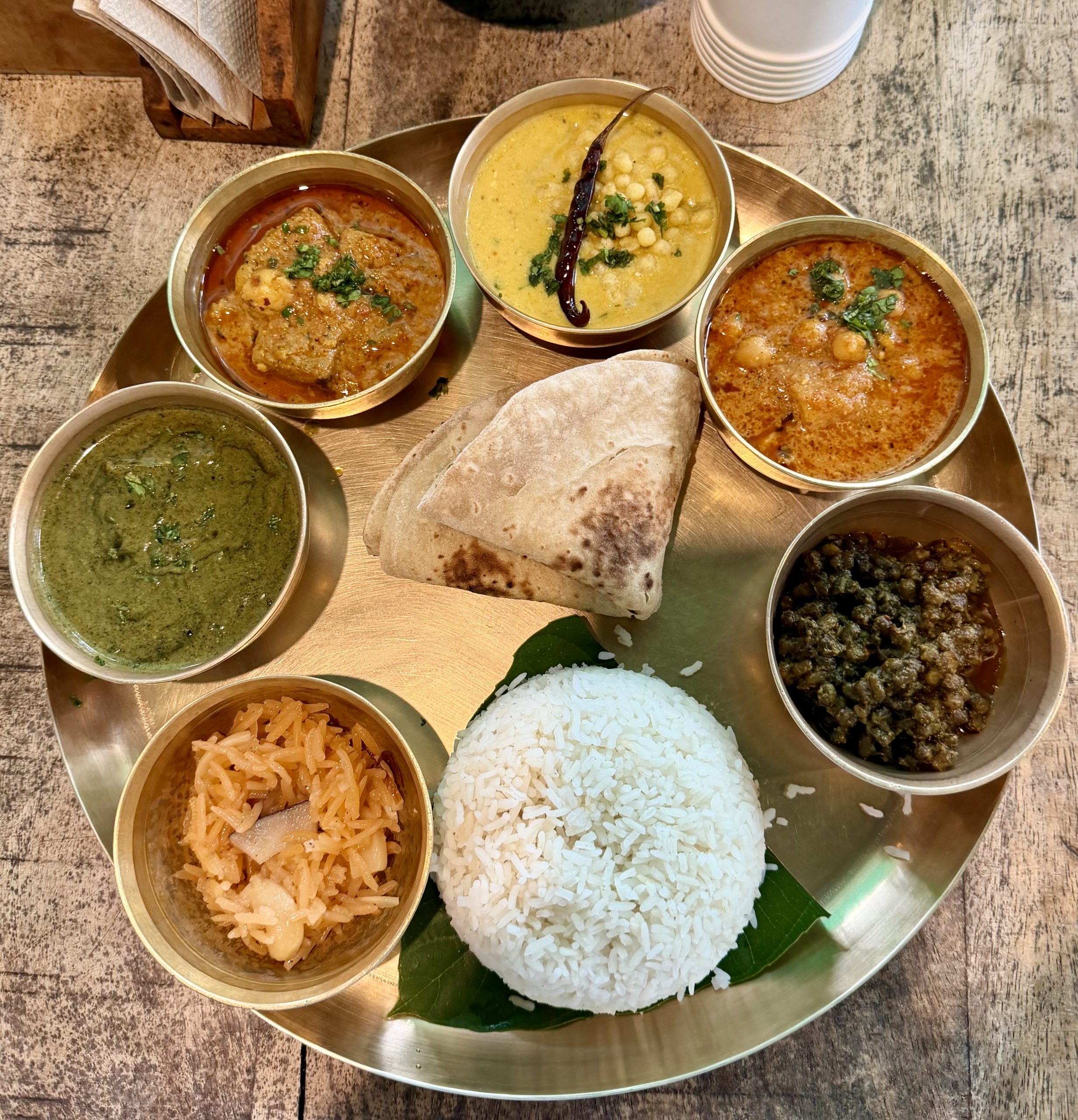
Dham is so much more than just a meal. It is the heartbeat of Himachali culture, a celebratory feast that flows through the rhythm of the state as the seasons change. While its origins were deeply tied to the quiet sanctity of temple festivals, it has since grown into the centerpiece of our most cherished milestones. Whether it is a grand wedding, a humble birthday, or even a moment of reflection like a retirement, Dham is the thread that brings all together.
My paternal grandmother was from Himachal Pradesh. Although I never had the chance to meet her in this lifetime, I have always carried a quiet, stirring emotional connection with her. She belonged to the nobility of Nahan. As I have grown older, I have found myself pulled toward the hills of Himachal to find a piece of myself in her history. I am driven by a deep need to understand my own roots and I realised that the most authentic way to touch her world is through the culture and the soul-stirring food of her homeland.

While growing up, I was fed on tales of her magnanimity. My family would narrate stories of how she freely gave away her personal belongings to anyone who truly appreciated them, never holding onto things for the sake of ownership. She was a woman of immense grace and refined taste. I heard stories of how incredible a cook she was and I loved the image of her dressing up in beautiful silks, meticulously pinned with stone brooches, using makeup brought all the way from England. She was a woman who balanced tradition with a worldly elegance and I carry that image of her with me everywhere.
It is through these stories of my grandmother that I discovered the true spirit of Dham. Just as she moved through life with a blend of worldly elegance and deep-rooted traditions, the story of Dham reflects that very same duality. Legend has it that the Rajas who ruled these mountains long ago wanted a feast that reflected their royal status while also serving as a humble offering to the gods.
Influenced by the cultural richness of nearby Kashmir, the royal chefs looked towards the famed Wazwan for inspiration. They blended that intricate, artistic approach to cooking with the hearty, honest pulses of their own local soil. The result was something spectacular, a unique feast that married the complexity of Kashmiri tradition with the rustic, soul-warming ingredients of the Himalayas. To me, this connection is deeply personal because it mirrors the way my grandmother carried her heritage with pride, with complexity and with a warmth that touched everyone around her.
To understand the true nature of Dham, you have to look at the hands that make it. Because it is a sacred meal, it is still prepared by Boti Brahmins, a community of chefs whose families have guarded these recipes for generations.
There is a deliberate, beautiful slowness to the process. Everything is cooked over a crackling wood fire in traditional brass, copper, or earthen vessels. This is not just about heat, it is about the smoky, deep flavours that only emerge through hours of patience.
A traditional Dham is strictly vegetarian and is best enjoyed over a bed of fragrant, steaming rice. It is a symphony of curries and pulses, each offering its own layer of flavour that reminds me of the mountains themselves and the legacy of the woman who helped shape my family.
Ingredients:
- Potatoes (boiled, peeled and hand-broken)- 4 large
- Curd / Dahi (fresh, slightly sour, whisked) – 4 cups
- Raw Rice (soaked for 30 minutes) – 2 tablespoons
- Green Cardamom – 2 to 3 pods
- Mustard Oil – 3 tablespoons
- Water – 1 cup
- Asafoetida (Hing) – 1/2 teaspoon
- Cumin Seeds (Jeera) – 1 teaspoon
- Black Cardamom (Badi Elaichi) – 1 whole
- Cinnamon Stick – 1 small piece
- Cloves – 4 to 5
- Dry Red Chillies – 2 whole
- Turmeric Powder – 1/2 teaspoon
- Coriander Powder – 1 teaspoon
- Fennel Seeds (Saunf) Powder – 1/2 teaspoon
- Salt – according to taste
Method:
- Take the soaked raw rice and green cardamom pods. Grind them together with a little water until it forms a completely smooth, fluid paste.
- Pour this paste directly into your whisked curd along with the turmeric powder, asafoetida and mix thoroughly.
- Heat oil in a pot. Add the cumin seeds, black cardamom, cinnamon stick, cloves, dry red chilies, fennel seeds and let them splutter.
- Add the coriander powder and fennel powder straight into the hot oil, stirring quickly.
- Add the hand-broken boiled potatoes into the pot and toss them vigorously for 2 to 3 minutes on medium heat to absorb the base flavours.
- Turn the flame down to its absolute minimum.
- Slowly pour in the whisked yogurt-rice mixture while stirring continuously (to avoid curdling) until the curry warms up.
- Add the water and salt to taste. Bring the Palda to a very gentle, low simmer and let it cook uncovered for 15 minutes until the rice paste thickens the curry into a glossy, velvety consistency.
(Yasmin Rahul Bakshi is an accomplished senior consultant Chef and a food historian. A widely-travelled Army wife from the Mussoorie hills with exposure to international cuisines & preserving recipes with the medium of food photography and digital content creation in the form of stories.)