Garhwal Post Bureau
New Delhi, 2 Sep: Corrosion management must become an integral part of engineering design, asset management, sustainability and national infrastructure planning as India accelerates its journey towards becoming a global economic and manufacturing powerhouse, experts said at the CII National Competition for Best Practices in Corrosion Management by Indian Industry.
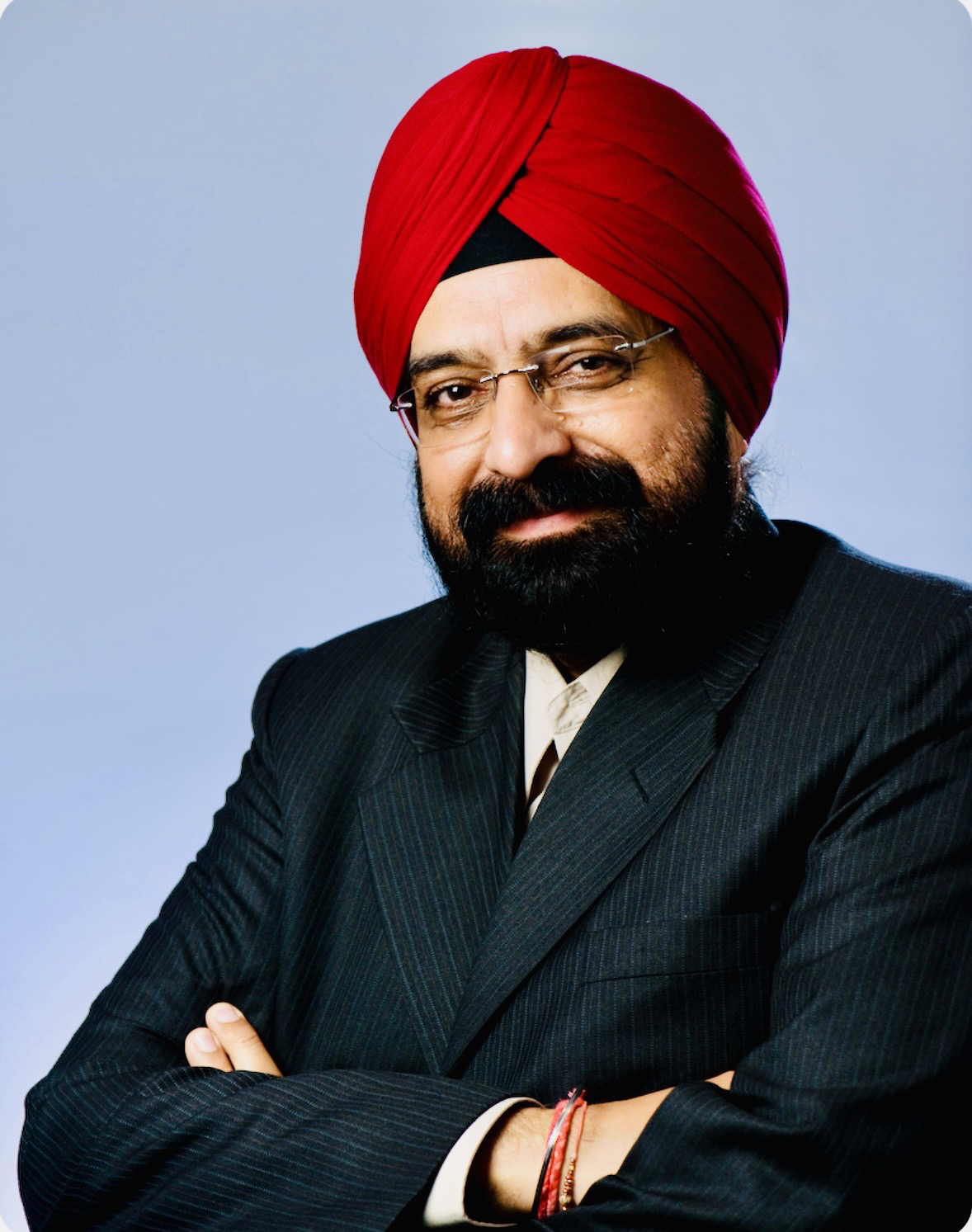
Addressing the gathering of industry leaders, technical experts, jury members and engineering professionals from across the country. Yatinder Pal Singh Suri, Co-Chairman, CII – Corrosion Management Committee, Confederation of Indian Industry (CII) highlighted corrosion as a “silent challenge to India’s progress”, with its economic impact estimated at more than 4% of India’s GDP, amounting to over Rs 14 lakh crore annually.
“Corrosion is often described as a silent tax on the economy—a cost that accumulates gradually and often goes unnoticed until it results in equipment failures, infrastructure deterioration, safety risks, production losses and enormous economic consequences,” said Suri.
“The challenge assumes greater significance as India undertakes unprecedented investments in infrastructure, manufacturing, energy, transportation and other critical sectors. From oil and gas pipelines and industrial plants to bridges, ports, railways, ships, power plants and other strategic infrastructure, corrosion continues to pose a significant threat to safety, reliability, productivity and profitability,” he added.
At the same time, Suri emphasised that a substantial proportion of corrosion-related losses is preventable. It is estimated that nearly 25% to 30% of corrosion-related losses can be avoided through timely and structured interventions, including appropriate material selection, effective corrosion control systems, cathodic protection, advanced protective coatings, predictive maintenance, digital technologies and smart monitoring.
The CII National Competition for Best Practices in Corrosion Management, conceived in 2023, provides a national platform for Indian industries to showcase practical, innovative and replicable solutions to corrosion-related challenges.
The competition brings together organisations from diverse industrial sectors to demonstrate how engineering knowledge, technology and innovation can be translated into measurable improvements in asset reliability, safety, sustainability and economic performance.
“The objective is not merely to recognise individual achievements. The greater purpose is to identify best practices that can be shared, replicated and scaled across Indian industry,” said Suri.
The participating organisations are showcasing interventions that have the potential to improve asset life, reduce maintenance and production losses, conserve resources and enhance operational safety.
The expert also called upon participating teams to view themselves as being on the “front line of India’s War Against Corrosion”, stressing that the knowledge generated through their case studies can serve as templates, benchmarks and sources of inspiration for industries across the country.
The jury panel was also acknowledged for its role in evaluating high-quality industry practices and ensuring that the most effective and innovative solutions receive national recognition.
The competition underlined the need for a fundamental shift in the way corrosion is perceived. Rather than treating corrosion management solely as a maintenance function, industry must integrate it into engineering design, lifecycle asset management, sustainability strategies and infrastructure planning.
As India builds larger and more sophisticated infrastructure, the focus must extend beyond creating new assets to ensuring that these assets remain safe, reliable, productive and sustainable over their entire lifecycle.
“The CII initiative seeks to strengthen this approach by promoting knowledge sharing, innovation, collaboration and adoption of proven corrosion-management practices, thereby contributing to a safer, stronger, more reliable and resilient Indian industrial ecosystem, added Suri.
The event concluded with a call for greater industry-wide collaboration to reduce the economic burden of corrosion and ensure that India’s infrastructure and industrial assets are built not only to perform better, but also to last longer and remain safe for generations