By Sunil Sonker
Mussoorie, 24 Jul: Whenever there is talk of forests and tigers of India, the name of Jim Corbett comes to mind first. A hunter who later became the protector of wildlife. But do you know that Mussoorie was also once an important part of his life? A town where he not only cherished some memories of his childhood but also raised a tigress!
Jim Corbett had a family connection with Mussoorie. Jim Corbett’s real name was Edward James Corbett. His father Christopher William Corbett was posted as a postmaster in the Landour area of Mussoorie in the late 19th century. Here, Christopher and Mary Jane were married on 13 October 1859 in St Paul’s Church. His family was transferred to Nainital in 1869, where Jim was born in 1875. But the connection with Mussoorie never broke. He used to come to Mussoorie often because many of his relatives were settled here.

Historian Gopal Bhardwaj recalls that Jim Corbett had raised a tigress in Mussoorie, which he was deeply attached to. Not only this, even Pandit Jawaharlal Nehru played with that tigress! This shows the human side of the hunter who not only fought with leopards and tigers but also understood and loved them.
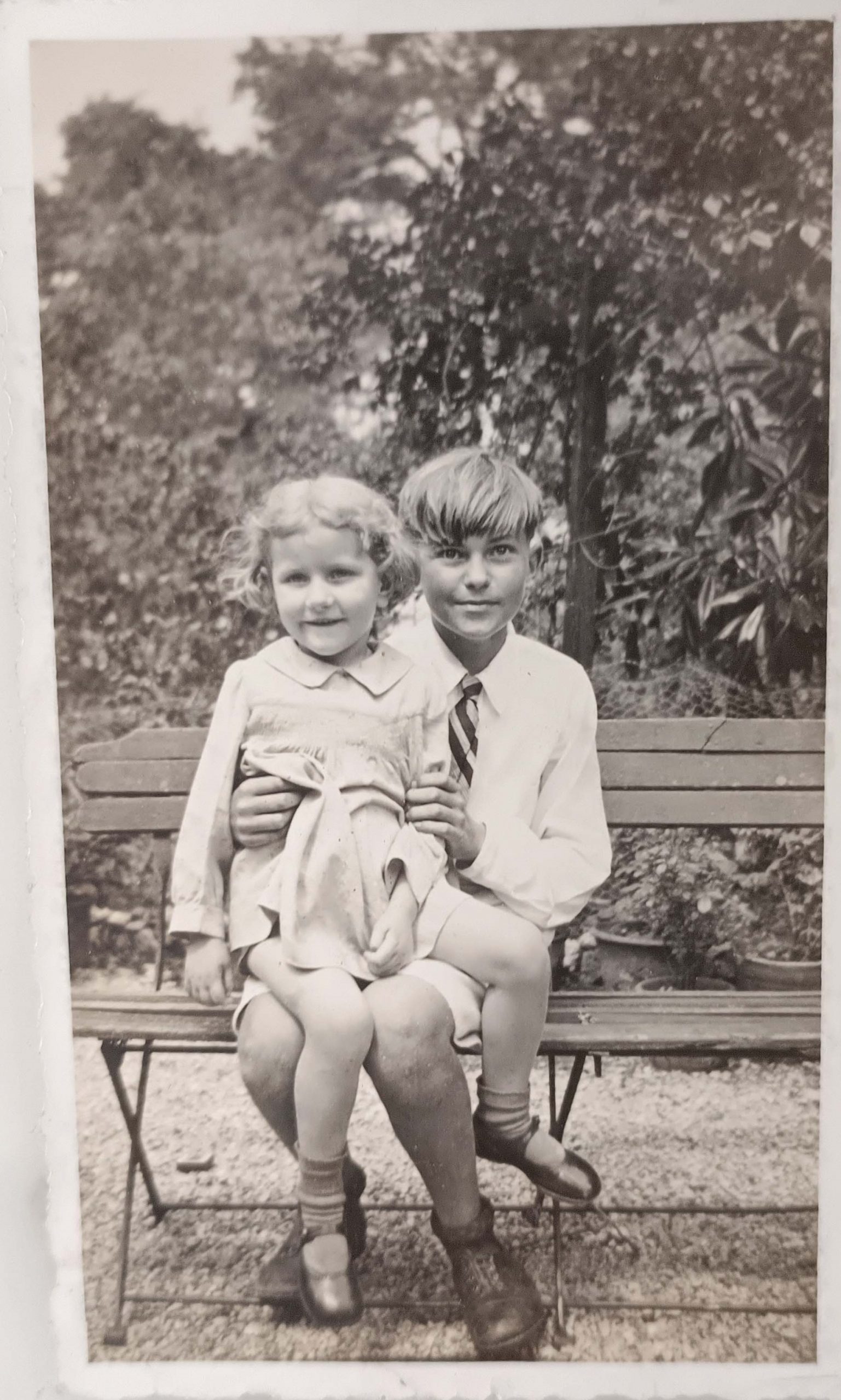
On the 150th birth anniversary of Jim Corbett, the citizens of Mussoorie and history lovers offered flowers before his picture at St Paul’s Church and other places. Historian Bhardwaj shared rare pictures, photographs and stories of his pet dog, Robin. He said that Jim’s life is a courageous but sad story of the struggle between humans and man-eaters.

Jim Corbett killed more than 33 man-eating tigers and leopards in his life, the most notorious of which was the Champawat Tiger, which alone killed 436 people.
Apart from this, the Panar leopard was killed in 1910, which had killed more than 400 people. The man-eating leopard of Rudraprayag killed 126 people in 8 years. Jim wrote about these stories in detail in his books Man Eaters of Kumaon, The Man-Eating Leopard of Rudraprayag, Jungle Lore, etc.

Jim took up photography in the 1920s. Inspired by his friend FW Champion, he started capturing tigers on film. He later adopted a village named Chhoti Haldwani and built a wall there to protect it from wildlife, which still stands today.
He used to walk on the Mall Road of Mussoorie, often travelling by Dandi. He donated his ‘dandi’ to a Muslim family, which is still a legacy. A cooker and a stove, which he had ordered from England, are still preserved with Gopal Bhardwaj. Whenever he came to Mussoorie, he never forgot to pray at St Paul’s Church. In the last years of his life, Corbett became one of the biggest protectors of wildlife. He showed the world that, if humans want, they can move from violence to compassion and from hunting to conservation. He died in 1955 in Nyeri, Kenya, where he was buried near St Peter’s Church.

Gopal Bhardwaj said that the stories of the forest are not just about blood and hunters, they are also about the relationships that are formed between humans and animals. The people of Mussoorie consider Jim Corbett not just a hunter, but a sensitive protector, a person who loved animals and the mountains themselves.
Gopal Bhardwaj still has rare documents, photos, cooker-stove and memories related to Jim Corbett and many other histories, and his ‘dandi’ preserved. But even though he is over 75 years old today, he has repeatedly appealed to the government and administration to save this historical heritage but has not received any support so far. He is very sad and disappointed by this.