All Around the World with the Most Travelled Indian
 By NITIN GAIROLA
Between the two very recognizable and relatable ecosystems of Forests & Deserts, lie the less conspicuous and less glamorous Grasslands – A sort of a transition zone which is not too wet nor too dry. Now why would anyone get excited about a land full of grass? It does not strike up images of great explorers cutting through the dense vegetation of rainforests and discovering exotic animals and planets for scientific purposes. Nor does it conjure up romantic thoughts of absolute solitude and of a nomad crossing a desert. But as humble as grasslands are, they are one of the essential ecosystems on Earth – Be it for carbon sequestering or for maintaining the health of soils for agriculture and being the home of some of the largest land carnivores and birds on Earth. This is not to mention that they also home to some of the biggest grazers on the planet who feed on the grass and keep the land fertile and productive.
An amazing fun fact for me is that grass (which is a plant), grows from below unlike other plants that grow from the top. What this implies is that grass can grow back if eaten or trampled on unlike other plants. That says a lot about the permanence of grasslands. And grass is not just food for cattle but it is food for us too. Our base carbohydrates such as wheat rice, maize, rye and sugarcane are all from grasses. Hence you can see that grasslands have been the biggest contributors to farming, civilizations and empires around the world. If we hunter-gatherers had not stopped for farming, we wouldn’t have built anything. But honestly, that would have been good for the planet even if it meant we were just another species.
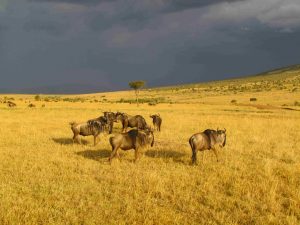
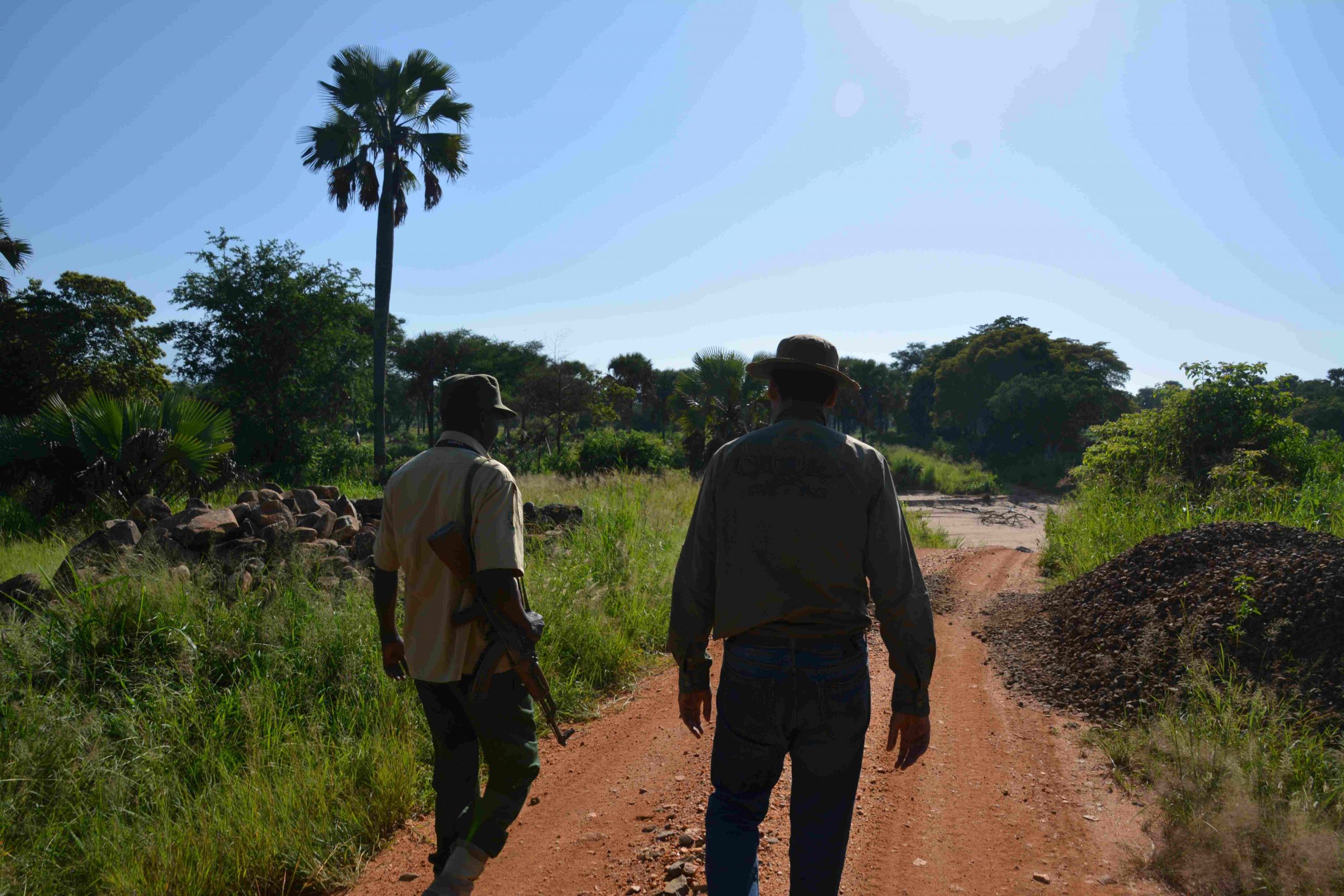
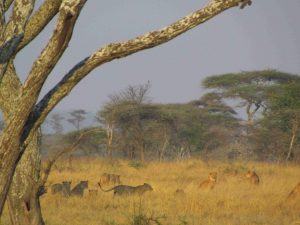
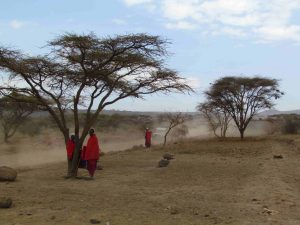
Mara in Kenya
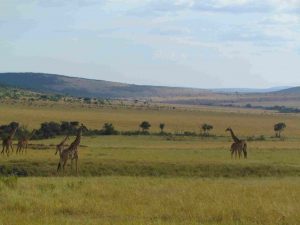
In terms of why I personally love grasslands, it would be for the mega fauna that is found in this biome. It is the reason why a lot of tourist money flows into these habitats and why ‘safari economics’ takes care of the indigenous people, the animals and the wild places. This is especially the case with the East African grasslands also known as the Savanna. But Savannas, though everyone traveller’s favourite, are clearly not the only grasslands on Earth as there are many other significant ones around the world.
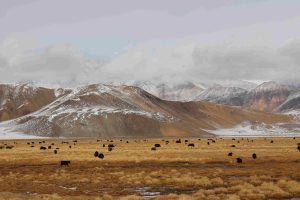
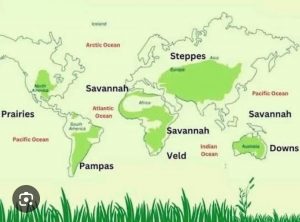
Firstly all the names that you hear such as Steppe, Prairie, Pampas, Veld, Downs and Savanna mean the same. They are grasslands and one may wonder why we couldn’t call all of them just grasslands, as we do for deserts and forests. Well, forests are also called jungles in Asia, so there we go again making the natural world even more complicated for ourselves. However grasslands are not to be confused with plains, although a lot of plains are full of grass and are indeed grasslands. Plains, just like mountains and plateaus, refer to an elevation – In this case it being a low elevation. Hence plains are a topographical feature of the physical Earth, whereas grasslands are a type of biome with their natural vegetation cover. This means that grasslands can be on plains (like the American Prairie) and also on mountains and plateaus (as is the case with the Nagqu Grasslands in Tibet which rise upto 4500 meters).
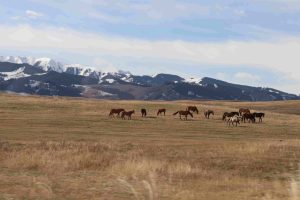
Incidentally the Nagqu Grasslands are not just the highest but the largest in the world and this is truly the land with the big blue sky above despite what the Americans may claim their Montana to be. They are also the home for yaks and antelopes besides other small animals. However in all fairness, the Great Plains of North America or the Prairie are massive in scale as well, being the 2nd largest in the world. They stretch across 10 states and are surrounded by the Rocky Mountains to the west and the Laurentian Plateau (or Canadian Shield) to the east. Its north border is the Mackenzie River and the Rio Grande River is the southern extremity. Canada has its own Prairies too in the western part of the country.
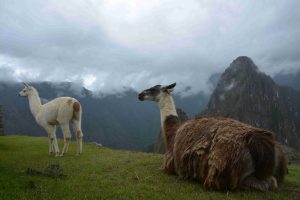
The South America grasslands have similar climate as in the Prairies and here they are referred to as the Pampas. They cover parts of Northern Argentina, Uruguay and Southern Brazil. Due to the mild climate, these grasslands are very suitable for agriculture and you have the famous South America cowboys managing the cattle in the farms and their ranches. The cowboys of South America are called Gauchos. But Pampas are not the only grasslands in South America. The Llanos are in Colombia and Venezuela whereas the Patagonia area in the far southern peninsula has its grasslands as well.
Barring the grasslands in the two Americas and the African Savannas, there are the lesser known Great Hungarian Plains in Southern Hungary, Northern Serbia, Eastern Croatia and Western Romania. As you can see, the natural world doesn’t understand international borders. But international borders are not a concern for the Australian Downs or the Australian Savanna as they are all contained inside this great big country which is almost like a continent in itself. The grasslands in Australia are between the coastal lands and the deserts in the center and they have a very dangerous resident called the ‘salties’ or the saltwater crocodile.
Having been to all these grasslands earlier and in recent times to many of the Central Asian ones as well, I have to admit that there is something fascinating about the Asian grasslands. While the Savanna will always be my favourite because of the wild carnivores and the endless game, we recently went to the Kazakh Steppe and it was truly limitless and remote. These Kazakh grasslands are the 5th largest in the world and have hardly been impacted by development due to the low population in these cold parts of Kazakhstan and lower Russia. I felt the same isolation in the Nagqu Grasslands and words can’t express the serenity you feel in these remote cut-off corners of the globe.
The only grasslands left for me are the ones in Mongolia and in north-eastern China. The Mongolian ones are called the Hulun Buir Grasslands and the Chinese ones are the Manchurian Plains. I believe the Mongolian Grasslands will be a lot similar to the Kazak Steppe since both are ‘home’ to nomads who roam these lands on horseback and many are the so-called eagle hunters i.e. they use golden eagles to hunt small mammals like hares for food and for fur. Both these places also have people living in yurts i.e. circular tents that can be set up easily and dismantled just as easily too, for the nomads to move to the next resting place.
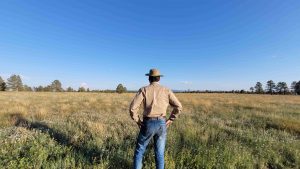
This idea of endless movement is very compelling to me. The nomads never have to wake up to the same moment repeated a thousand times and I guess this makes their time on Earth seem a lot more than it actually is. I am anything but a nomad and have a lovely home in Dehradun, but at heart I am a nomad, I suppose. Maybe that’s why this transition zone of grasslands is almost as romantic to me as the forests and the deserts are. While the forests and deserts are for intrepid explorers to discovery or conquer, the grasslands are for the nomads to aimlessly roam.
Nitin Gairola is from Dehradun and has travelled the natural world more than almost any Indian ever. He has set world travel records certified by India Book of Records, has written for Lonely Planet, and holds National Geographic conservation certifications. He is also a senior corporate executive in an MNC and in his early days, used to be a published poet as well. More than anything else, he loves his Himalayan home. Reach him at: www.facebook.com/MostTravelledIndian/