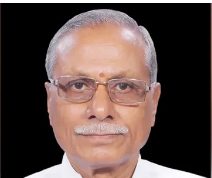
 By Dr Anoop Virendra Kathait
Dehradun has always been known as the pride of Uttarakhand — a city blessed with beautiful valleys, pleasant weather, and lush green forests. Nestled between the Himalayas and the Shivalik range, it once offered clean air, quiet roads, and a peaceful lifestyle that attracted nature lovers, students, and tourists alike. Unfortunately, the present condition of Dehradun tells a very different and worrying story.
Major roads such as Rajpur Road, Sahastradhara Road, ISBT corridor, and Clock Tower area witness severe traffic jams on a daily basis. Narrow roads, poor traffic management, illegal parking, and a sharp increase in private vehicles have made commuting slow and stressful. A journey that once took minutes now consumes hours, affecting productivity and quality of life.
The traffic problem has directly contributed to worsening air and noise pollution. Vehicle emissions, constant honking, and construction dust have significantly reduced air quality. Health experts warn that respiratory problems, allergies, and stress-related illnesses are on the rise, especially among children and senior citizens. Dehradun, once known for its fresh and clean air, is gradually losing this natural advantage.
According to recent air quality monitoring data, Dehradun’s Air Quality Index (AQI) has repeatedly reached levels categorised as “poor” or near dangerous limits. On several days in December 2025, AQI readings hovered around 260–300, with fine particulate matter PM2.5 and PM10 well above safe limits — far exceeding the “good” air quality threshold of AQI 50 or less set by the Central Pollution Control Board (CPCB).
Experts highlight that PM2.5 concentrations — microscopic particles that easily enter lungs and bloodstreams — dominate pollution readings, posing health risks, especially for children, elderly citizens, and people with respiratory conditions. Public criticism has grown over the adequacy of monitoring stations, with calls to install more sensors in dense traffic and residential zones to better capture air quality across the city.
Equally concerning is the decline in green cover. Trees are being cut for development projects, while forest areas around the city face increasing pressure from encroachment and construction. Environmentalists fear that continued neglect could permanently damage the city’s fragile ecosystem.
Residents express growing concern over the lack of effective measures. Public transport remains insufficient, forcing people to rely on private vehicles. Despite repeated complaints, traffic discipline and enforcement remain weak.
Experts emphasise that development should not come at the cost of environmental destruction. They call for urgent steps such as strengthening public transport, promoting electric vehicles, strict enforcement of traffic rules, protection of green zones, and sustainable urban planning.
Citizens should play a crucial role to overcome this problematic situation. Reduced use of private vehicles, carpooling, respect for traffic rules, and active participation in environmental awareness campaigns can collectively make a difference. Let’s make our Doon more breathable and fuller of life.
(The writer is a poet, short story writer and critic living in Dehradun.)