By Vishvaney Agarwal
Dehradun, 30 De: Anjel Chakma was twenty-four when he was attacked in Dehradun on 9 December He spent seventeen days in hospital before dying of his injuries on 26 December. Those dates matter because they remind us that this was not a fleeting altercation or a momentary lapse. A young man lived through the consequences of violence long enough for the country to notice and decide what it was willing to acknowledge. Dehradun, like many university towns, hosts students from across the country, making this incident especially unsettling for those who believe such spaces should offer safety rather than suspicion. Much of the discussion has focused on whether racial slurs were used seriously or “in jest”. But intent is not the most important question here. Discrimination in India rarely appears in explicit forms. It works through repetition and familiarity. Jokes about faces, accents, food, and origin are common enough to be dismissed as harmless. People from the Northeast encounter this casual racism so often that many learn to ignore it just to move through daily life. This case exposes the cost of that normalisation. Casual racism is not a minor harm that becomes serious only when it turns violent; it creates the conditions in which violence becomes possible. The line between speech and violence is not as distant as we often assume. When it is crossed, the damage is immediate, but the harm begins much earlier when each time prejudice is laughed off. A country that takes pride in its plurality cannot afford to treat such losses as isolated tragedies.
To understand how this incident is being received, I spoke to people from my immediate surroundings (family members, friends, and neighbours). Their responses reflect how local citizens are thinking about discrimination and Anjel Chakma’s death. The views expressed are based on conversations and have been edited for clarity.
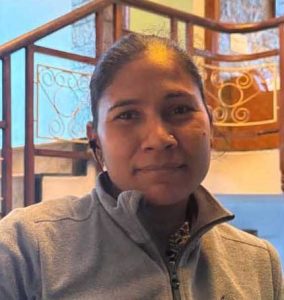
- Deepa Kumari | Domestic worker
When I heard about what happened to Anjel Chakma, I felt it was completely wrong. No argument or misunderstanding should ever turn into such violence. It also does not matter if people thought he was from China or anywhere else. In India, everyone deserves to be treated with respect. If we expect dignity when we travel or work in other countries, we must show the same respect in our country. What disturbed me most is that he was not even foreign. He was from our own country. Being from the Northeast does not make someone less Indian or less deserving of equality. People should not be judged by how they look or where they come from. This incident shows how dangerous such thinking can become.
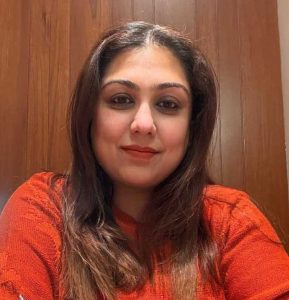
- Lotika Rastogi | Homemaker
When I was younger, racism was often normalised through jokes and comments that people were told to ignore. I expected things to be different today. What shocked me most about this incident was realising that even now, among educated young people, the same mindset continues. With greater exposure, education, and awareness, I thought society would have moved forward. Instead, it feels like the thinking has not changed as much as we assume. What is most disappointing is that this violence came from young people, those who are meant to represent the future of the country. If racism still shapes how they see others, then we need to seriously question what kind of progress we are making.
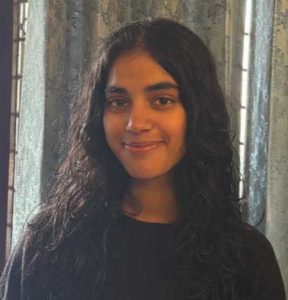
- Vigyani Agarwal | High school student
What shocked me most about this incident is how normalised racism still seems to be. You cannot just target someone because of how they look or where you think they are from. What feels especially disturbing is how easily violence enters the picture. Some young people today seem to think aggression is something to show off or take pride in, when it is neither impressive nor acceptable. Even casual jokes are not harmless. They can seriously affect someone’s mental health and sense of safety. When such attitudes are left unchecked, they can grow into something far more dangerous. This case shows how quickly that progression can end in irreversible consequences, including the loss of a life.
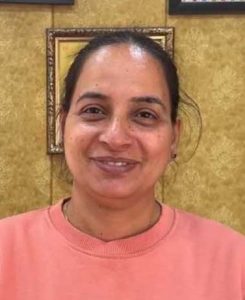
- Mamta Kasana | Fashion Designer
I find it deeply troubling that we still measure equality differently depending on how someone looks, speaks, or where they come from. Whether a person is from Jammu or Thiruvananthapuram should make no difference to how they are treated. Respect and dignity are not things that should vary based on accent, appearance, or background. India is a country with many languages, cultures, and histories. When we fail to respect plurality, we weaken the idea of equality itself. If we want to call ourselves a diverse nation, we must be willing to practise that diversity in how we treat one another.