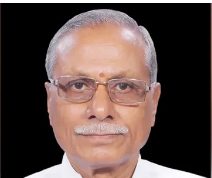
 By Dr AK Srivastava
“Kumbh Mela is a grand symphony of devotion, where each soul plays its unique melody.”
“The confluence of faith and spirituality, Kumbh Mela, is a celebration of our eternal connection to the cosmos.” Anonymous
The Kumbh is the biggest human congregation on our planet. It is the greatest festival and a spectacular convergence of faith, culture, traditions, and the ascetic practices of Hindus. The legend deep rooted in mythology says that when the Gods and Demons started churning the sea (Samudra Manthan) to find the elixir of immortality, a few drops fell out of the Kumbh (Pot) at four places – Prayag, Ujjain, Haridwar and Nashik. All these places are situated on the banks of holy rivers. Since that time, the Kumbh Mela has been organised at these places. It is believed that this celestial contest continued for twelve years. That is why there are four Kumbh Melas in rotation at these four places in a span of twelve years. In addition to the normal Kumbh, there is a Maha Kumbh every 144 years at Prayagraj. Each site’s Kumbh celebration is based on a distinct set of astrological positions of the Sun, the Moon, and Jupiter.
Hindus belonging to different parts of India, sections of society, age groups and speaking different languages wish to join this auspicious and holy festival at least once in their lifetime. The Kumbh has historical and traditional significance, and its first reference is found in the Rigveda and Purans. It is believed that the kings of the Mourya and Gupta dynasties promoted the Kumbh as they tried to spread Hinduism and Buddhism. Historical records tell us that the Chola and Vijaynagar Dynasties also supported this religious activity. Both Mughals and the British people showed interest in it and always saw it with wonder and different types of saints or Babas amazed them with their miracles.
There are several types of devotees like Sadhus, Naga Sadhus, Peshwas and Sadhus belonging to different Akharas who join the congregation along with the common people. In the last Kumbh, approximately 200 million people took a holy dip in the confluence of the Ganga, Yamuna and the invisible Saraswati.
The Kumbh is a very popular occurrence with several rituals and ceremonies. The Shahi Snan – the bathing ceremony – is the most important ritual. It is an act of seeking God’s blessing and purifying oneself by immersing in the holy confluence of Triveni (Ganga, Yamuna and Saraswati). It is believed that one becomes free from the cycle of rebirth and attains “Moksha” or spiritual liberation after bathing in Sangam. According to the Hindu religion, attaining “Moksha” is the ultimate goal of life. Paush Purnima, Makar Sankranti and Besant Panchami are important occasions for bathing.
In the evening time, “Aarti” is a very beautiful ceremony in which thousands of Sadhus participate along with their disciples. The Ghats (banks) of the Sangam create a wonderful and mesmerising impression on thousands of devotees present to witness priests holding bright lamps and chanting religious hymns in the glory of God. The impression of lamps on the water of the Ganga creates a unique thrill and reverence in the minds of devotees.
Thousands of devotees who come from distant places stay on the banks of the River Ganga renouncing all worldly pleasures and comfort. This ritual is called “Kalpvas”. It is a difficult task to stay there with minimal facilities in such cold weather. They join prayers, havans, meditations, satsangs (spiritual lectures) and enjoy the life of utter simplicity seeking spiritual transformation and the blessings of God.
Many other rituals like “Deep Daan, Shraadh, Dev Pujan and Panchkosi Parikrama” are essential parts of Kumbh. In Deep Daan, devotees float ‘deeps’ (earthen lamps) on the water of River Ganga with a prayer to fulfil their wish to achieve something they long for in their lives. In Dev Pujan, they visit various temples situated near Sangam and, in Panchkosi parikrama, the devotees go round the religious places situated at Prayagraj. In the Shraad ceremony, the devotees perform a special puja for the spiritual liberation of their ancestors. All these ceremonies fill the atmosphere with a profound sense of religious fervour and leave an incredible impression on the minds of devotees.
The Kumbh Mela is scheduled for January 2025. The Government of UP is busy making the best arrangements for the comfortable stay and security of devotees. More than 200 million devotees are expected to join this wonderful spiritual congregation. It is a daunting task for the government to ensure all sorts of arrangements. A large piece of land has been cordoned off for this Mela. Special waterproof tents, drinking water, fire security arrangements, provision of lights on both sides of streets and, above all, security measures are challenging tasks for UP governments.
It is expected that thousands of VIPs, politicians and foreigners will also come to be part of this magnificent and enlightening event. The government is introducing many new trains and flights for the safe journey of all these people.
The important dates of this vibrant and profoundly spiritual occasion are given below:
- January 13, 2025: Paush Purnima
- January 14, 2025 Makar Sankranti
- January 29, 2025 Mauni Amavasya
- February 3, 2025 Basant Panchami
- February 12, 2025 Magh Purnima
- February 26, 2025 Mahashivratri
Finally, we can say that the Kumbh Mela is the most amazing, vibrant and unique religious festival of the Hindu religion. It has a long legacy and religious significance. Ascetics, saints, adshus, sadhvis, kalpvasis, pilgrims, foreigners and common people wish to be part of this religious and cultural extravaganza. It is also a symbol of national unity and identity.
“The beauty of Kumbh Mela is in its ability to transform ordinary lives into extraordinary journeys.”
“The sacred waters of Kumbh Mela cleanse not just the body but also the mind and soul.”
(Dr AK Srivastava is Principal, DAV Inter College, Dehradun.)