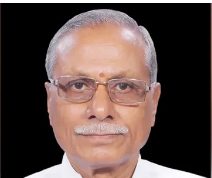
By Alok Ulfat
The film Dhurandhar, directed by Aditya Dhar, is a Hindi spy thriller inspired by real events such as the 1999 Kandahar hijacking, the 2001 Parliament attack, and long-standing India–Pakistan tensions. It explores themes of faith, betrayal, nationalism, and brutality through a sensational narrative supported by grand visuals, strong performances, and mass-appeal elements. While the film succeeds as a commercial spectacle, its heavy reliance on violence reflects a wounded civilisation chasing short-lived fame and power mirroring a society that increasingly appears to have lost its moral compass.
Although the real events that inspired Dhurandhar were far more horrific, the film’s storytelling depends largely on violence in all its shades. Such portrayals risk uniting what should remain separate, fostering collective revenge rather than encouraging reflection. When cinema objectively exposes human downfall, it educates; when it sensationalises, it can inflame. Dhurandhar raises an important question: how much violence is truly necessary in storytelling? Excessive brutality may leave audiences entertained yet emotionally drained, offering little space for hope or introspection. Sometimes, “more” or “less” is not absolute, but relative.
Violence is not limited to terrorism or geopolitics; it manifests in everyday life…rash driving, noise pollution from schools and religious centres, endlessly blowing horns, road rage, environmental destruction, corruption, and social insensitivity. Poor governance, ego-driven leadership, and greed for land and resources have fuelled wars for centuries. The nexus of criminals, corrupt politicians, and weak legal systems must be dismantled or society risks normalising immorality. In Dehradun, many citizens appear indifferent to such problems, gradually becoming immune to self-created disorder. Here, inspiring cinema can empower people to seek justice through peaceful means and contribute to a healthier, ethical world.
The film’s commercial success shows that audiences are curious about the realities behind terrorism, political and historical events. If Dhurandhar claims honesty, it must invite debate. Are we “darpok” Indians, unable to question why forces in ‘Pak’istan shelter terrorists and promote bloodshed? What do they gain? Can violence ever bring hope? When will humanity realise that ruling the world under one flag, ideology, or religion through violence is outdated and impossible? Even families fail to unite despite blood ties, so how can a single belief system unite the world? People are different. Period! With 8.3 billion people in the world, there are 8.3 billion religions.
Most wars are fought over greed for power, unreasonable demands, and control of fossil fuels, land, natural resources, and material wealth. Terrorism thrives on exploitation, power struggles, and manipulation of misled individuals; religion and nationalism serve as excuses. Yelling slogans through misinformed youth achieves nothing constructive. Historically, wars have divided or dominated, never united nations. Instead of glorifying conflict, humanity must invest in new tools for dialogue, cooperation, and conflict resolution.
On the other hand, those whom we call terrorists, whether in Pakistan or elsewhere, are not born violent. They are often unheard, misled individuals failed by society. As Angulimala was transformed by Buddha’s compassion, others too can find a path to peace if given meaningful engagement and guidance. True change lies in cooperation and respect for individuality, allowing all people to live inclusively.
In the film Akshaye Khanna stands out, proving that less is more. With restrained expressions and minimal dialogue, he delivers a master class in subtle acting. Ranveer Singh convincingly handles both physical intensity and emotional vulnerability. Sanjay Dutt leaves limited impact due to underdeveloped characterisation. Rakesh Bedi and Ankit Sager provide effective relief by blending humour with intensity. Both are seasoned performers. Sara Arjun delivers a venerable performance that offers innocence to the film. Madhavan and Arjun Rampal with their stay do justice to their roles, while Badru, in his brief auto-rickshaw appearance, feels strikingly real.
The artwork, design, and action in Dhurandhar feel grounded in realism. The production design reflects socio- political environment through apt locations, costumes, and textures of everyday life. The action sequences were daring. Leaving a believable, unsettling tone.
Aditya Dhar is a powerful storyteller, and managed very successfully to weave so many characters and concepts with depth. We can expect Dhar to make a film that can go beyond entertainment and actively contributes to transform the society and the planet. A new world order based on sharing, and respecting all living beings is urgently needed. Future instalments of Dhurandhar could offer audiences strength, power of positive discrimination, greater space to reflect, connect, and hope. Aditya Raj Kaul’s research are highly valuable.
While watching the film, I often felt that Pakistan seriously needs help and can be rebuilt with open minds through a human-centered culture where diversity and inclusiveness play a central role. The film also reveals parallels in India, where similar social and cultural challenges demand urgent rethinking and renewal. Change is a must let’s begin with the mountains.
Finally, Dhurandhar serves as a warning for Dehradun to examine its own backyard. We must ensure that we are not unknowingly creating breeding grounds for gangs or anti-national forces. A growing nightclub culture and a decadent obsession with endless consumption do not define true development. Selling liquor in spiritual places and turning them into Goa beaches is also not wise. This is not the basis of a smart city. Some places are not for tourism but for introspection. Perhaps it is time to seriously pause and reflect on where we are heading. Let us be careful, courageous, and conscious in aligning Uttarakhand future. Can we build an ecological, culturally rich, peaceful, and inclusive nation? Gratitude Dhurandhar, for igniting the debate and thank you, Garhwal Post, for providing the platform.
(Alok Ulfat is a teacher, director, cultural worker and acting mentor known for his grounded work in theatre, education, and creating the Inside-Out approach to acting. Has served at NSD, FTII and is engaged with Whistling Woods, and other initiatives in India and abroad. His company in Dehradun is presently seeking actors for upcoming projects in theatre and films. Call 98214 17495 to join.)