Garhwal Post Bureau
DEHRADUN, 31 May: The first month of the ongoing Char Dham Yatra in 2025 has seen a noticeable decline in pilgrim turnout compared to the same period in 2024. According to an analysis conducted by Dehradun-based environmental action and advocacy group SDC Foundation, a total of 17,17,619 devotees visited the Char Dham shrines of Kedarnath, Badrinath, Yamunotri, and Gangotri in the first month this year. In comparison, the yatra had recorded 19,56,269 pilgrims during the same one-month period last year, marking a decrease of 2,38,650 pilgrims or an overall drop of 12 per cent.
A closer look at shrine-wise figures highlights this decline more clearly. Kedarnath saw 6,49,161 pilgrims in 2025 as against 7,48,348 in 2024, registering a 13 per cent fall. Badrinath’s numbers dropped slightly from 4,72,065 in 2024 to 4,57,409 in 2025, reflecting a 3 per cent decrease.
Yamunotri, which often sees infrastructural constraints due to its geography, saw a decline of 11 per cent falling from 3,46,545 last year to 3,02,713 this year. Gangotri recorded the steepest decline of 14 per cent 2,93,228 pilgrims in 2025 compared to 3,39,892 in 2024.
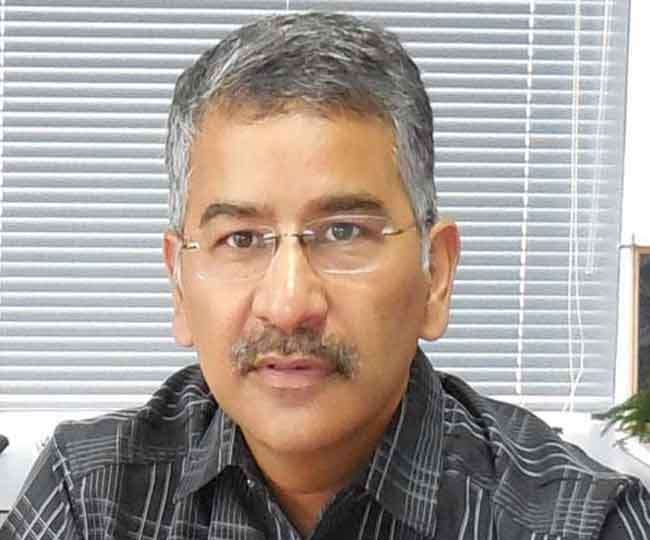
Anoop Nautiyal of SDC Foundation noted that the decline in numbers cannot be attributed to any single cause. Rather, it reflects a combination of factors including the earlier Indo-Pak tensions, inconsistent weather conditions during the early days of the yatra and concerns with complexities around the registration process.
SDC Foundation has been closely monitoring the Char Dham Yatra over the years using official data sources. In 2024, the Foundation published a detailed report titled ‘Uttarakhand Char Dham Yatra 2024: Pathways to Pilgrimage – Data Insights, Challenges and Opportunities’, which was submitted to the then Chief Secretary of Uttarakhand.
The report offered a comprehensive set of recommendations on crowd management, ecological safeguards, health infrastructure, the need for stakeholder consultations and the critical need to implement carrying capacity driven pilgrim caps per shrine per day to ensure both safety and sustainability. It had also recommended streamlining the Char Dham Yatra registration system, which is often marred by complaints and is seen as being disorganized, chaotic and cumbersome by both the pilgrims and those in the domain of making travel arrangements.
Anoop Nautiyal emphasized that while the state continues to promote Char Dham Yatra as a flagship religious event, it is equally important to focus on sustainable pilgrimage practices. He added that their organization has consistently made constructive recommendations to the state government based on trends, patterns, and data.
SDC Foundation has also urged the state to begin planning for the next year’s yatra as soon as the portals close in October or November. Waiting until the final months delays critical decisions. The groundwork for Char Dham Yatra 2026 must start on time if Uttarakhand is serious about improving preparedness, safety and pilgrim experience.