Around the World with the Most Travelled Indian
 By Nitin Gairola
The Earth is going through a phase of great biodiversity loss, and this is primarily due to the loss of wild habitats itself – be it because of direct action of man or indirect impact via climate change (but that is a bit hard to quantify and prove in hard numbers). In my earlier articles I had provided statistics on the loss of Earth’s forests from 1950 to now, with the world losing almost half of its terrestrial forest cover in just the last 75 years. That sobering realization long back made me think about where the true wildernesses are left in this world, if any. And the natural world today is largely decided by the political world of countries and the will of their high & mighty in terms of conservation efforts.
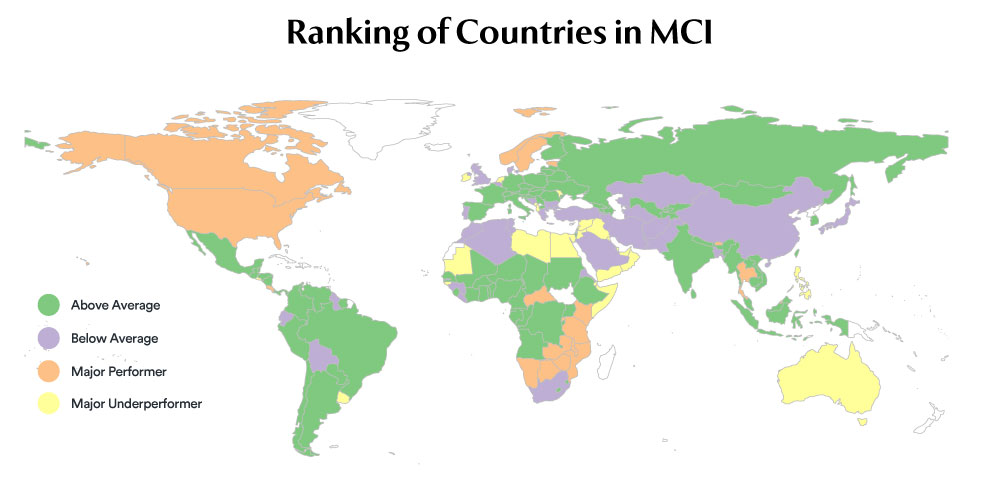
And in this wild and wildlife conservation game, some countries have got it right and some just can’t figure out the importance of taking care of their ecosystems. But up till now there was no official yardstick to declare this with some authority, even though we knew the countries that were either better or worse than others in looking after their wild spaces, as it could be seen in the quality of our overall wildlife safari experiences as travellers. But in 2017, the big cat conservation organization, Panthera, partnering with Oxford University’s Wildlife Conservation Research Unit, came out with a tool which they called the ‘Mega-Fauna Conservation Index’ or MCI, that gives a clear score to each country on its performance on this front.
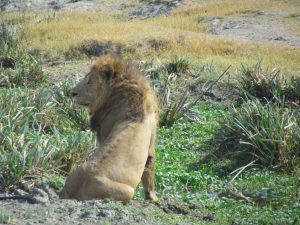
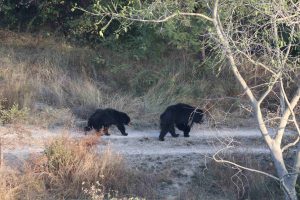
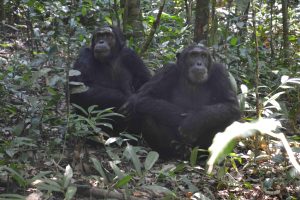
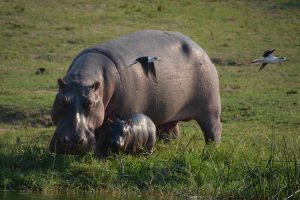
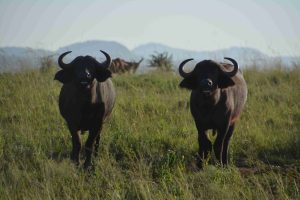
But just to answer upfront, ‘Mega-Fauna’ refers to all large land animals, and for this tool these animal as considered ‘mega’ only if a terrestrial carnivore is more than 15 kilograms and if a terrestrial herbivore more than 100 kilograms. Such creatures play really critical ecological roles as flagship and umbrella species, but are not easy to co-exist with, as they are prone to conflict with humans. The large mammals are also vulnerable to poaching, hence difficult to conserve and tend to be less resilient than smaller and faster-reproducing species.
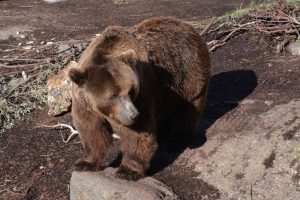
On the flipside, large mammals get unparalleled attention and love from public, tourists and donors alike and thus are crucial for saving the wild habitat itself, not to mention other smaller creatures that live in their shadows in these protected habitats. For example, in India, our majestic national animal – the Tiger, gets a disproportionately large funding for conservation but that in turn protects the entire forests and ecosystems. It is due to these benefits of protecting mega-fauna that this calculator is particularly indicative in ranking nations and putting them above or below average. This study was conducted in 152 nations across the world so as to make it truly representative of the state of our planet’s iconic land species and to also highlight the gains that went to those countries that decided to protect them.
The direct benefit to countries that get it right is, of course, big wildlife or ecotourism money to boost their GDP (gross domestic product) and employment. The indirect benefits are the various ecosystem services that wildlife and wild places provide along with a sense of pride and protection to the indigenous populations that dwell in or around the forests. And when you make such a reputable study public, it further snowballs into more goodwill for the performers and more wildlife viewing dollars to those countries that are on top and the reverse for countries on the wrong side of the measurement scale.
For MCI calculations, each country is measured on 3 parameters: 1) Proportion of the country occupied by each mega-fauna species; 2) Proportion of the range of these species that is strictly protected in each country i.e. under national parks and sanctuaries and 3) The amount of money spent on conservation by each country, either domestically or via international funding, as a percentage of their GDP.
The study also suggests the ways in which countries can improve their MCI scores. These can be via “re-wilding” landscapes by re-introducing mega-fauna that once used to roam the land i.e. not an alien species but a native one that went extinct or reduced to an unsustainable number of individuals. USA did this last century with the re-introduction of the grey wolves in their various national parks in the west. India has done that rather famously in the past years under the current political leadership by bringing back the Cheetah from Namibia. The Asiatic sub-species of Cheetah had gone extinct in India in 1952 and now we have the African species roaming our lands. There are 27 of them at last count across Kuno National Park and Gandhi Sagar Wildlife Sanctuary. Besides ‘re-wilding’, countries can set aside more land as strictly protected areas i.e. as national parks, sanctuaries and wildlife refuges etc and also invest higher amounts in conservation, either domestically or globally in places where it’s needed.
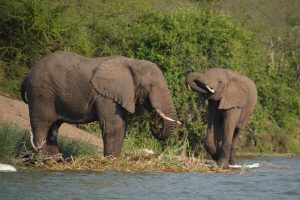
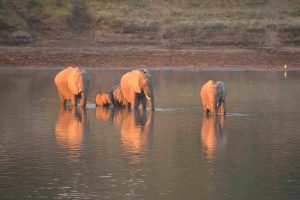
The MCI results revealed that wildlife destinations in Africa form majority of the high performers. On the whole, countries in Africa had the highest mean MCI scores, followed by North & Central America, Asia, Europe and South America. This is a clear indicator for all global safari goers and it should really also be noted by the authorities in the major underperforming countries which, in the developed world, has Australia.
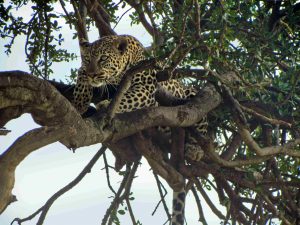
The top of the list is Botswana and its model is designed towards high end safari tourism which keeps the tourist footprint low and hence the country is able to keep the wilderness truly wild and remote. Its neighbour on the west is second in the MCI list i.e. Namibia and it is followed by my personal safari favorite, Tanzania. Bhutan comes in at 4th and it’s the country where I had spent my childhood. 5th is Zimbabwe followed by the first European nation – Norway. Post which it baffles me how Central African Republic comes in at No. 7 since the country is in turmoil but I will have to do a bit more research to understand this one. Perhaps boots on the ground approach would be better. And it is very good to see Canada at No. 8 since it holds a large amount of land, thus if it is doing well on this index, the planet is doing well.
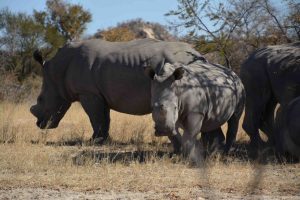
The same would hold true for all the other big countries such as Russia, USA, China, Brazil, Australia and India and while none of them have made it to the top 10, the US is a major performer too in protecting its wild spaces. India too has an excellent track record of saving large species from the brink, but unfortunately due to our population pressures, there is a lot of human-wildlife conflict. Our wild spaces are small and fragmented which doesn’t allow the mega fauna to thrive as it should.
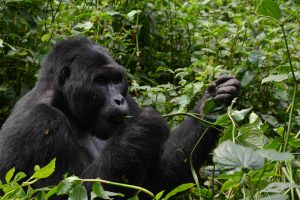
The MCI list is completed by Zambia and Rwanda in 9th and 10th respectively and thus 7 out of the top 10 nations are from Africa. In fact, Kenya, Malawi and Mozambique are also not that far behind and somehow the island of Madagascar was not part of the study.
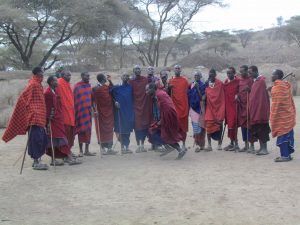
My love for Africa gets proven once again. For all how the west has badly portrayed the continent (more as a ‘single dysfunctional country of Africa’), it is actually one of the biggest success stories of our planet in the last 75 years. The difference in view is in how we look at the planet.
Nitin Gairola is from Dehradun and has travelled the natural world more than almost any Indian ever. He is on a quest to become the first person to travel to every Desert, Forest, Grassland, Tundra & Ice biomes on Earth. Nitin has set world travel records certified by India Book of Records, has written for Lonely Planet and holds National Geographic conservation certifications. He is also a senior corporate executive in an MNC and in his early days, used to be a published poet as well. Reach him at: www.facebook.com/MostTravelledIndian/