By Arun Pratap Singh
Garhwal Post Bureau
Dehradun, 19 Mar: In a bid to tackle the persistent problem of traffic congestion in the city, Dehradun Police have reportedly initiated steps to streamline traffic management by establishing dedicated traffic police stations on the lines of metropolitan cities. It may be noted that the residents in Dehradun have been grappling with frequent traffic jams, largely caused by the increasing number of vehicles and allegedly by indiscriminate roadside parking, making congestion a routine issue across key stretches of the city.
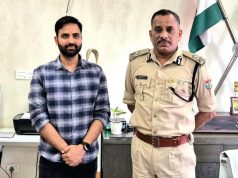
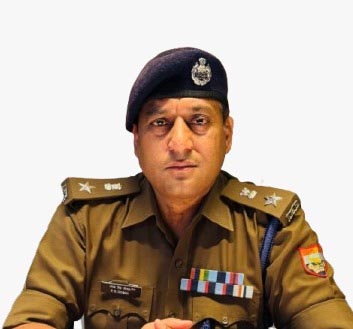
Senior Superintendent of Police Pramendra Dobal has undertaken a new initiative aimed at improving the traffic system, under which traffic police stations will be set up across the district. A total of six such stations are proposed, including four in Dehradun city, one in Vikasnagar and one in Rishikesh. Each station will be placed under the charge of a Traffic Inspector, who will be responsible for deploying personnel, managing traffic operations and ensuring effective implementation of traffic regulations within the assigned jurisdiction.
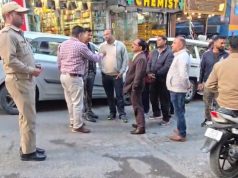
Doon Police claim that, at present, a major cause of congestion is the tendency of motorists to park vehicles along roadsides instead of designated parking areas, resulting in bottlenecks and disruption of smooth vehicular movement. With the establishment of traffic police stations across different zones of the city, authorities expect a significant improvement in traffic conditions. The move is also aimed at decentralising traffic management and enhancing accountability at the local level.
In addition, the number of towing vehicles used to remove improperly parked vehicles will be increased to strengthen enforcement. This step is expected to enable the traffic police to take more stringent action against violations and ensure smoother traffic flow across the city.
Pramendra Dobal stated that traffic congestion has emerged as a major issue in Dehradun, and a detailed study has been conducted by the police over the past one month to assess the situation. Based on the findings, several changes are being introduced in the traffic management system. One of the key measures includes the establishment of traffic police stations, similar to those functioning in metropolitan cities, where designated Traffic Inspectors will be assigned specific areas and given operational control from these stations. All related duties, including deployment of personnel, issue of challans and other enforcement activities, will be carried out from these centres.
He further stated that there is a proposal to increase the number of towing cranes in the city. Earlier, nine towing vehicles were operational, but their number will now be increased to twenty. This enhancement will help in effectively dealing with encroachments and removing vehicles parked along roadsides, thereby facilitating stricter enforcement by the traffic police.
Under the new arrangement, the designated traffic in-charges will be held accountable for reducing congestion in their respective areas, while overall coordination and monitoring will continue from the headquarters, ensuring a more organised and efficient traffic management system in Dehradun.
However, observers and urban transport experts, do not consider indiscriminate parking as the major reason for traffic jams and congestion. They rather point out that encroachment on footpaths and roadsides by the shopkeepers and street vendors are a much bigger reason for traffic jams. They have raised questions over the likely effectiveness of this plan in the absence of parallel infrastructure upgrades. They point out that Dehradun’s traffic woes are deeply structural in nature, with narrow roads, poorly designed intersections and the absence of free left-turn provisions at many crossings continuing to hinder smooth vehicular movement. In several parts of the city, inadequate on-ground traffic management at busy junctions further compounds congestion during peak hours. The lack of sufficient flyovers, railway overbridges and alternate routes has also been flagged as a critical bottleneck, suggesting that enforcement measures cited by the Doon Police alone may not yield the desired results. They remind that absence of a synchronised public transport system is one major factor behind the day long traffic jams as the people are forced to drive their personal vehicles every day in the absence of convenient and effective public transport systems. While some long-term projects such as the proposed elevated corridors along Rispana and Bindal rivers are on the anvil, experts have stressed the urgent need for additional flyovers, including a corridor from Kargi Chowk to Ajabpur and the Rispana Bridge, along with an elevated crossing at Rispana, to bring about any substantial and lasting reduction in traffic congestion in the city. They also remind that unless adequate parking spaces in every zone of the city are created, vehicles will have to be parked along the roadside. Besides this, the experts also suggest widening of some major roads such as Rajpur Road, Haridwar Bypass, Gandhi Road, Arhat Bazaar and improved junctions as very necessary in dealing with traffic congestion.