 By Roli S
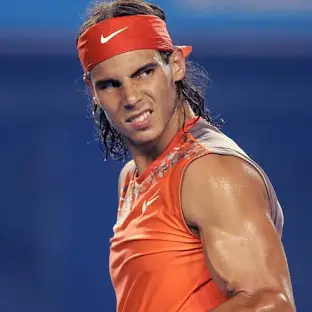
In a world too often fractured by conflict, division, and relentless pursuit of power, moments of true human connection can offer profound perspective. One such moment occurred at Roland Garros in May 2025, as Rafael Nadal stood alone at centre court, overwhelmed by emotions, while the world paid tribute to a career that had transcended sport. Amidst the applause and tears, as fans and rivals alike rose to honour a titan of tennis, a phrase carved into the very bones of the arena shimmered with deeper meaning: “Victory Belongs to the Tenacious.”
These words, illuminated above the iconic clay battleground Nadal made his own, do not merely commemorate sporting excellence; they encapsulate a philosophy of life, one that every world leader, corporate executive, industry titan and common person trying to figure out life itself would do well to embrace.
Rafael Nadal’s career is a case study in perseverance. Born in the small town of Manacor on the island of Mallorca, he was not destined for greatness by birth or circumstance. His uncle and first coach, Toni Nadal, instilled in him a work ethic and mental toughness that would become the cornerstones of his identity. From a young age, Rafa learned that talent is fleeting, but resilience endures.
Over the course of his two-decade career, Nadal battled not just formidable opponents, but chronic injuries that would have ended most careers. His knees, his wrists, his foot—each bore the toll of a body pushed to its limits. And yet, again and again, he returned. Each comeback was a testament not to blind optimism, but to deliberate disciplined persistence.
In a world often seduced by quick wins and short-term profits, Nadal’s story underscores a timeless truth: real success demands endurance. Political leaders chasing poll numbers, corporations prioritising quarterly earnings over long-term impact—these institutions could learn much from Nadal’s refusal to give up, his belief that the struggle itself is what sharpens greatness.
“I have fought all my life to be where I am,” Nadal once said. “Success is not winning every match but accepting the fight.”
One of the most stirring images from Nadal’s farewell was not just the ovation of fans, but the presence and applause of his fiercest rivals. Roger Federer, Novak Djokovic, and many others who came not out of duty, but out of deep respect—for a competitor who always played hard but fair, who battled them for glory and then embraced them at the net.
In a time when conflict, both literal and ideological, defines so much of global politics and business, Nadal offers a different model: that of respectful rivalry. Competition can be fierce without being hateful. It can elevate rather than destroy. The mutual admiration between Nadal and his rivals is proof that dignity need not be sacrificed in the pursuit of victory.
Imagine a world where adversaries—nations, political parties, corporations—engaged each other with the same code of honour. Where debates were passionate but principled, where respect endured even through conflict. Nadal’s career, in that light, becomes a template for diplomacy, negotiation, and global leadership.
Humility is not weakness; it is strength grounded in self-awareness. In contrast, today’s leadership—be it political or corporate—is often marred by ego, arrogance, and posturing. Authenticity, as demonstrated by Nadal, fosters trust. Leaders who admit vulnerability, acknowledge help, and focus on values over optics are those who endure.
As Simon Sinek famously said, “Leadership is not about being in charge. It’s about taking care of those in your charge.” Nadal lived this philosophy, always acknowledging the role of his coaches, his family, his fans, and his opponents in shaping his journey. The same he did back at Roland Garros while giving his farewell speech.
Adversity, Nadal would argue, is not a detour—it is the path itself. From a degenerative foot condition that threatened to end his career, to brutal five-set marathons under the blistering sun, Nadal never saw hardship as unfair. He saw it as necessary.
This mindset holds transformative potential for the world at large. Whether navigating climate change, economic upheaval, or social injustice, the challenges we face require more than innovation—they require resilience. Corporations must stop seeing downturns as failures and start seeing them as opportunities to pivot, rebuild, and grow stronger. Political leaders must stop scapegoating problems and instead embrace the complex, often painful process of real change.
As Nadal once put it, “You fight. You try your best. And that’s all. If you lose, you lose. But the only way to keep going is to accept the pain.” This statement by Nadal makes him an ideal ‘karmyogi’ in my eyes.
Achievements: 22 Grand Slam titles. 14 French Open crowns. Over 200 weeks as world number one. These statistics are dazzling, but they do not define Nadal. His legacy is not in the trophies, but in the tenacity that earned them. It is in the quiet moments: the limp walks to the net after an exhausting battle, the respectful words to a vanquished opponent, the tears shed in gratitude rather than regret.
In a hyper-competitive, metric-obsessed world, this offers a crucial lesson. Not all value can be quantified. Impact, influence, inspiration—these are measured in lives touched, not just charts and graphs.
As Nadal stood alone in that arena, surrounded by love and adulation, his eyes filled with tears, it wasn’t just a goodbye. It was a mirror held up to the world. It was a moment for the world to savour and learn from.
What if nations fought not for domination, but for excellence?
What if corporations competed not to crush, but to innovate and inspire?
What if we all—leaders, workers, citizens—embraced the spirit of sport: of discipline, resilience, fairness, and grace?
The world needs fewer conquerors and more competitors. Fewer victors in war, and more victors in humanity.
The clay at Roland Garros may no longer bear Nadal’s sliding footsteps, but the impression he leaves is indelible. And above it all, one truth remains: Victory belongs to the tenacious.
(Roli S is an Author and Educator based in Thane.)