Culinary Chronicles
 By Yasmin Rahul Bakshi
Chor Chori Meets Makki Di Roti: A Punjabi – Bengali Confluence.
The title came first. Bakshi! Given by Mughals to a family that could hold swords and accounts together. Tiger’s family carried it ever since.
In Lahore lived Chawdhry Ram Bhaj Datt – He was a lawyer, editor of Hindustan and a Congressman from the early days. He was Tiger’s great-great-grandfather. His daughter, Lila Wati, from his first wife, married Captain Ram Lal Bhimwal – a civil surgeon with the British Army. Lila Wati and Captain Bhimwal were Tiger’s great-grandparents.
Ram Bhaj Datt had children from his first two marriages. A full house already with its own habits, its own kitchen, its own silences.
Then in 1905, a new suitcase was kept in the corner of that house. Sarala Devi Ghosal – niece of Rabindranath Tagore. A Graduate with Honours in English and well versed in French, Sanskrit and Persian.
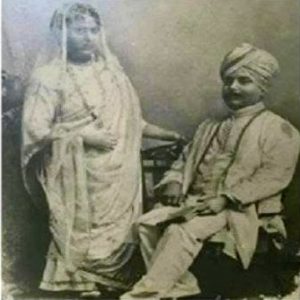
When Sarala sang Vande Mataram at the Congress session, she made one small change that everyone remembered. Bankim Chandra’s original line was “Sapta koti kantha” – seven crore voices because seven crore was the population of Bengal. Sarala sang it as “Trinsha koti kantha” – thirty crore voices because thirty crore was the population of the whole of India then. With just one word, she turned a Bengali song into an anthem for the entire country.
She arrived in a white sari with a red border, very quiet with a trunk of books, a harmonium and a small steel box of mustard paste and posto that the Punjabi cook had never seen. The children from the earlier marriages peeped from behind curtains.
They expected distance. She did the opposite.
That first week, she sat on the floor with them. Not on a chair. She asked Ram Bhaj Datt’s daughter, Lila Wati – the same daughter who married Capt Ram Lal Bhimwal and was Tiger’s great-grandmother to show her how to wear a Punjabi suit and would teach her to drape a Bengali sari. The girl laughed and the ice broke. Sarala checked the school homework of the other children, corrected English essays, hummed Tagore when a child had fever and could not sleep.
She became mother to all, not by rule but by small things. When a child was scolded, she would slip a rosogolla into his palm. When Mrs Bhimwal cried before going to her husband’s house, it was Sarala who held her and tied her hair.
The kitchen is where they really met.
Till then the haveli smelled of ghee and sarson ka saag slow cooked for hours, mutton curry on Sundays, makki di roti on the tawa, kali dal simmering overnight till it turned creamy. Sarala did not replace it. She added to it.
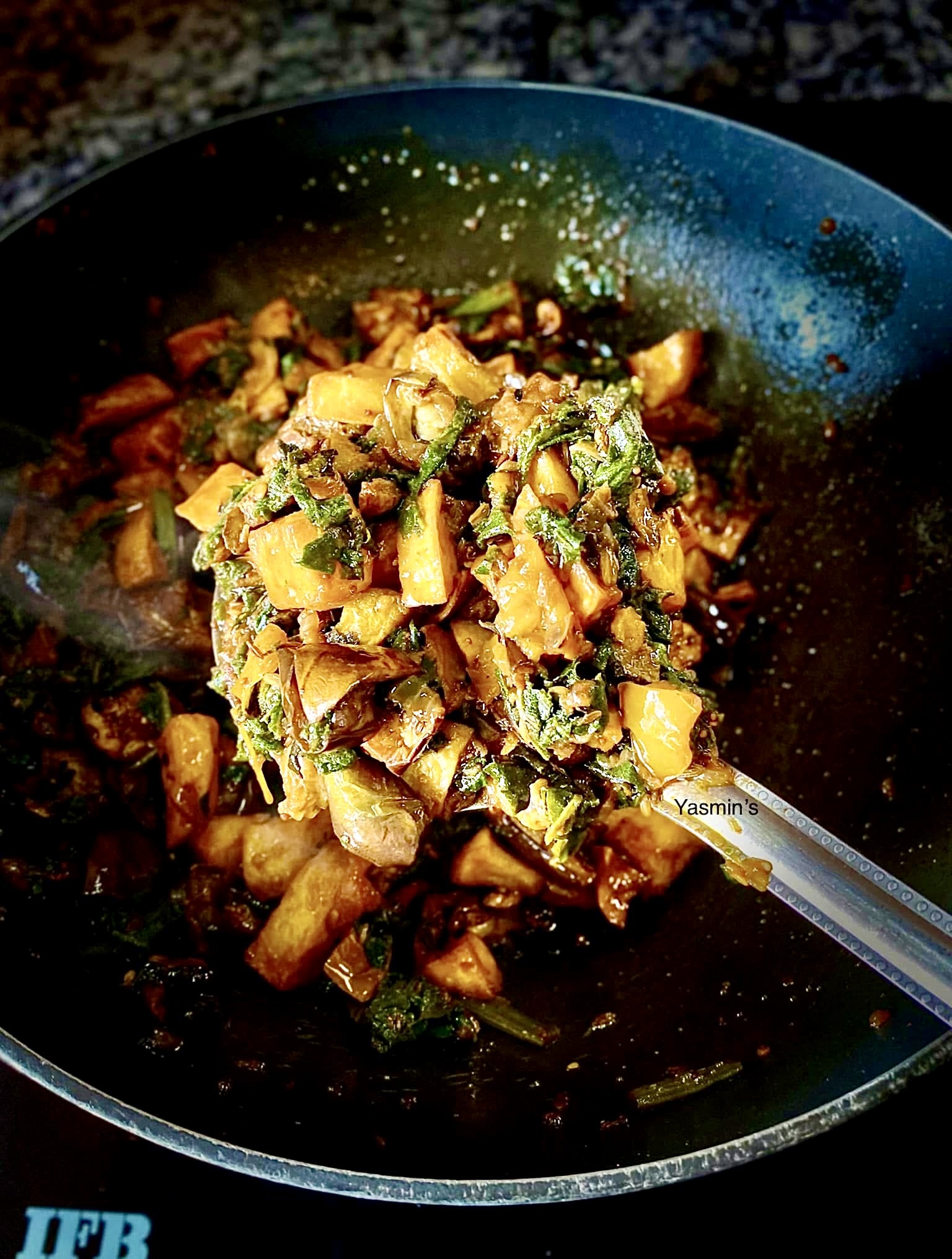
One afternoon she said softly to the cook – can we boil plain rice today, just rice, with a little ghee? The cook frowned. The children from the first two wives tasted it with mustard paste and chor chori. Eyes watered. Then second helpings were asked for. She made luchi that puffed like bhatura but lighter, chor chori with whatever greens were left, alur dom without onion-garlic, shukto that she said Bengalis eat first to clean the tongue.
And then sweets, because she missed home. Sandesh kneaded till her wrists hurt, mixed with date jaggery not sugar. Rosogolla kept cool in earthen matkas. Payesh on Vijaya Dashami. The children who had grown up on pinni, jalebi and Sunday mutton now waited at the kitchen door and said, “Sarala Ma, is the payesh ready?” Mrs Bhimwal learned to make tok doi and mishti doi for her surgeon husband when he came back tired from hospital, to keep beside the kali dal.
Sarala raised Lila Wati to be so fearless, that when Lahore burned in the riots of 1947, she stood at the doorway, pistol in hand, guarding her two unmarried daughters.
In between all this, briefly, there was Deepak. Son born to Ram Bhaj Datt and Sarala. A child who ran between two worlds, Punjabi stories from his father, Bengali songs from his mother. He grew up and married Radha, daughter of Maganlal Gandhi, Mahatma Gandhi’s nephew who ran Sabarmati Ashram and grandniece of Gandhi himself. A small, warm knot that tied Jorasanko to Sabarmati in the same family album.
When Ram Bhaj Datt was jailed after the Jallianwala Bagh massacre and property confiscated, Sarala edited Hindustan herself and started its English edition, because someone had to keep the house running.
When his lungs gave up, the family went to Mussoorie for his last years. He died there on 6 August, 1923. Capt Ram Lal Bhimwal settled down in Dehradun on Kalidas Road.
That is why Tiger’s table still has both aromas – sarson saag, makki di roti, mutton, kali dal from Punjab and chor chori, posto, payesh from Bengal.
And that is why the children from the first two wives never called her stepmother. They called her Ma.
Ingredients:
- Tender pumpkin stems with leaves – 250 gm
- Potato – 1 medium size
- Brinjal – 1 medium size
- Yellow pumpkin – 100 gm
- Mustard oil – 3 Tbsp
- Panch phoron – 1 tsp
- Dry red chilli – 2
- Green chilli – 2
- Red chili powder – ½ tsp
- Turmeric powder – ½ tsp
- Salt – according to taste
- Sugar – ½ tsp (optional)
- Wash stems and leaves well. Lightly scrape stems with a knife. Cut stems into 2-inch pieces, chop leaves roughly.
- Wash and cut the potatoes, brinjal and yellow pumpkin into cubes.
- Heat oil in a pan, add panch phoron and dry red chillies. Let them splutter, add the green chillies.
- Add potato first, fry for 2 mins with a pinch of salt. Then add pumpkin and brinjal.
- Sauté for two minutes.
- Add in the pumpkin stems and leaves.
- Add turmeric, red chili powder, salt and sugar. Mix well.
- Cover with lid on low flame for 8-10 mins.
- Stir at regular intervals.
- When stems are tender and water dries up, cook uncovered 2-3 mins till it gets slightly roasted.
- Serve hot with rice or roti.
(Yasmin Rahul Bakshi is an accomplished senior consultant Chef and a food historian. A widely travelled Army wife from the Mussoorie hills with exposure to international cuisines & preserving recipes with the medium of food photography and digital content creation in the form of stories.)