Garhwal Post Bureau
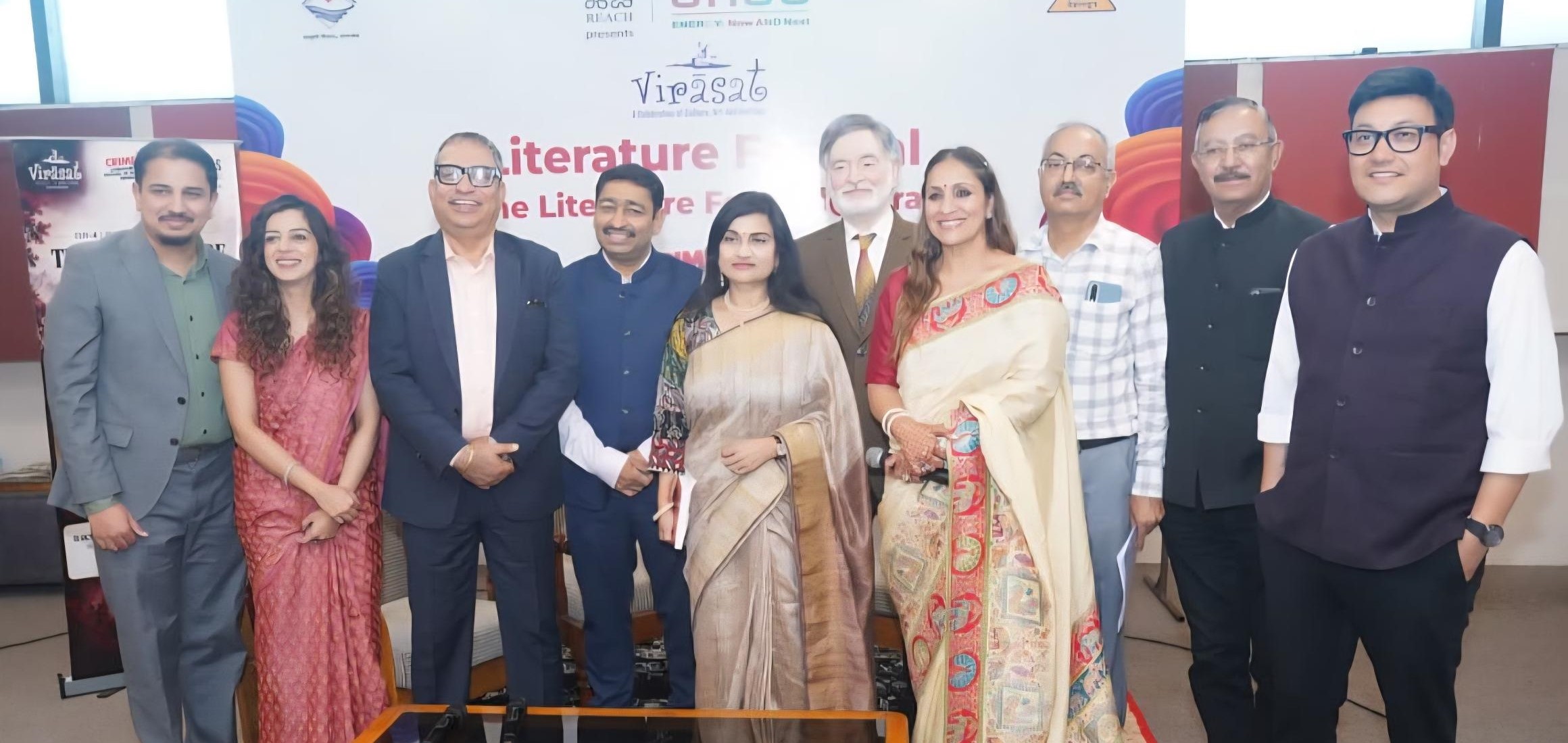
Dehradun, 31 Oct: The Crime Literature Festival of India (CLFI), organised by the Doon Cultural & Literary Society (DCLS), held the curtain raiser to its fourth edition at Virasat 2026, Himalayan Cultural Centre, Dehradun, bringing together an engaging mix of policing experience, crime literature, investigation and public discourse.
The four-hour programme featured five specially curated conversations examining crime and justice from diverse perspectives, from terrorism and national security to the realities of policing, pursuit of fugitives and the complex emotions that can lie behind criminal behaviour.
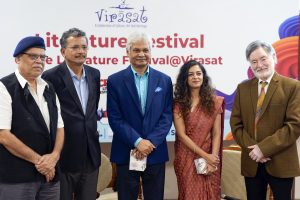
The afternoon opened with “The Journey So Far, The Road Ahead”, featuring former DGPs Ashok Kumar and Aloke Lal, along with Roopa Soni. The speakers reflected on the evolution of the Crime Literature Festival of India over its first three editions and discussed the vision for broadening CLFI into a larger national platform for meaningful conversations around crime, justice, literature and society.
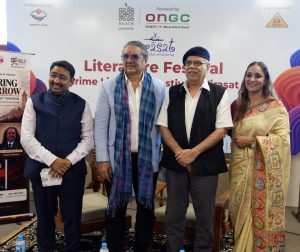
One of the principal sessions, “Securing Tomorrow: India’s Fight Against Terrorism Challenges, Capabilities and the Road Ahead,” featured former Uttarakhand DGP Ashok Kumar in conversation with Satish Sharma, Chief Editor of Garhwal Post.
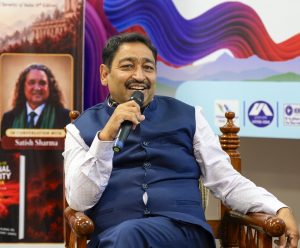
Drawing upon Kumar’s extensive policing experience and the eighth edition of ‘Challenges to Internal Security of India‘, the conversation examined the changing nature of internal-security threats and the need for preparedness in an increasingly complex environment. Terrorism, intelligence preparedness, cyber threats, drug trafficking, misuse of drones and the evolving demands on law-enforcement agencies formed part of a wide-ranging discussion on how India must prepare for the security challenges of tomorrow.
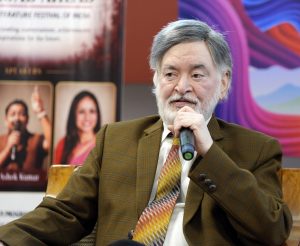
The focus then shifted to the men and women behind the uniform with “Behind the Badge: The Inside Story of Indian Policing.” Yashovardhan Azad and Taj Hasan, in conversation with Anupma Khanna, explored the pressures, responsibilities, ethical dilemmas and difficult decisions that form part of everyday policing but rarely find space in public narratives.
In “The Long Arm of the Law: No Safe Haven for Criminals,” former DGP Aloke Lal and Maanas Lal, in conversation with RJ Kaavya, took the audience into the world of fugitive tracking and investigations extending beyond geographical and jurisdictional boundaries. Drawing upon their book Mission Saudi, which chronicles the historic extradition of a rape accused from Saudi Arabia to India, the speakers discussed the persistence, international coordination and investigative ingenuity required to pursue offenders across borders and bring them within the reach of law.
The final session, “Inside the Criminal Mind: Love, Betrayal, Passion and Revenge,” featured Private Detective Dev in conversation with Dr Ruby Gupta, an accomplished crime writer who has authored ten books, including her latest, Love and Crime. Drawing upon real-life investigative experiences, the conversation explored how relationships, deception, jealousy, obsession and revenge can sometimes become powerful triggers behind crime.
Roopa Soni, who anchored the proceedings, seamlessly connected the sessions through the larger CLFI philosophy of looking beyond the crime itself and understanding the people, circumstances, institutions and stories surrounding it.
The curtain raiser at Virasat marked another significant milestone in CLFI’s journey after three successful editions in Dehradun. Through its programmes, the festival has sought to bring police officers, investigators, authors, journalists, legal professionals and readers onto a common platform where crime can be examined through literary, social, psychological and investigative perspectives.
The Doon Cultural & Literary Society now looks ahead to the fourth edition of the Crime Literature Festival of India while continuing its endeavour to promote meaningful literary and cultural conversations throughout the year.
The programme concluded with acknowledgements to the speakers, discussants, team members, collaborators and Virasat for providing the platform for this special CLFI curtain raiser.
The event was coordinated, curated and managed by Praveen Chandhok, festival coordinator; Randhir Arora, treasurer; and Navneet Oberoi, all members of DCLS, with the support of the society’s team.