 By Gunjan Sethi
Born in Dehradun and nurtured in the loving embrace of the Nanhi Dunya family, Alok Ulfat grew up with a deep appreciation for the many ways of being, learning, and creating beauty. His journey has been one of exploring life in its rich diversity, discovering harmony in its contrasts, and finding meaning in its many expressions.
His parents, Prof. Lekh Raj Ulfat and Sadhana Ulfat were committed to rebuilding India. They were gifted teachers, social workers and spiritual seekers. They founded Nanhi Dunya, a movement for children and their families, in 1946, for nurturing childhood, and in search of true freedom. This humble initiative soon became a widespread social movement primarily engaging children, youth and women. They understood the need for creating welcoming environments for the unfolding of the whole human being. Nanhi Dunya created schools and learning centres to discover, create and grow to become “fully human.”
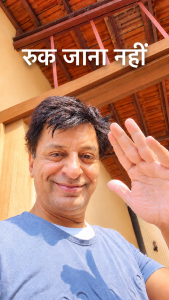
I, as a young man, came into the mesmerising presence of Alok over two decades ago, in Mumbai. His company, Avikal for Life, was in the process of staging the play, Dulaari Dhamaal, with a huge cast of about 25 actors, musicians, and production team, to be staged at Prithvi Theatre, Mumbai.
Straight out of college, I was living in Mumbai, away from home for the first time. On meeting Alok, I was astonished by his captivating energy and sensitivity. I had visited many other theatre groups before that and was therefore very eager to explore how Alok Ulfat created theatre and vibrant melas (festivals) around him, with diverse enthusiasts constantly attending his workshops. Soon, I was fully engaged in the activities, and we were swimming together in the rising tides of creative endeavours, and many times against the currents.
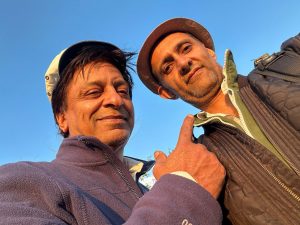
I learnt that Alok’s childhood was magical, that unfolded in this vibrant world of Nanhi Dunya, which was more than an educational institution; it was a living, breathing community where ideas travelled freely, cultures mingled, and friendships grew beyond social, economic and national boundaries.
Seekers, sadhus, artists, visionaries and cultural workers from across India and abroad, brought with them different experiences, philosophies and ways of seeing life. Growing up within these gatherings, Alok received a world where every person, conversation and shared experience opened a universe of its own. Here, he had learnt the dignity of labour, respecting other human beings and building relationships.
Almost a decade later, I reconnected with him with a greater involvement, within some of my own testing times. I began to admire his devotion towards his parents and their friends, who are living examples of innovation. Inspired by them, we often found ourselves learning and reflecting on the lives of Swami Vivekananda, Jiddu Krishnamurti, Rudolf Steiner, Rabindranath Tagore, Satish Kumar, Gandhi ji, Sri Aurobindo, Augusto Boal, Ivan Illich and many more.
Alok’s greatest strength has been his ability to remain transparent – a quality that is remarkably rare, and often discouraged by close associates. He firmly believes in his stories, and he is not shy of openly sharing his life, objectively. His ability to improvise makes him resourceful and constantly able to create authentic work, which I have seen reflected through the Rang Himalaya festival, Nanhi Dunya Rangshala, Avikal’s activities, theatre, and his engagement with the film world.
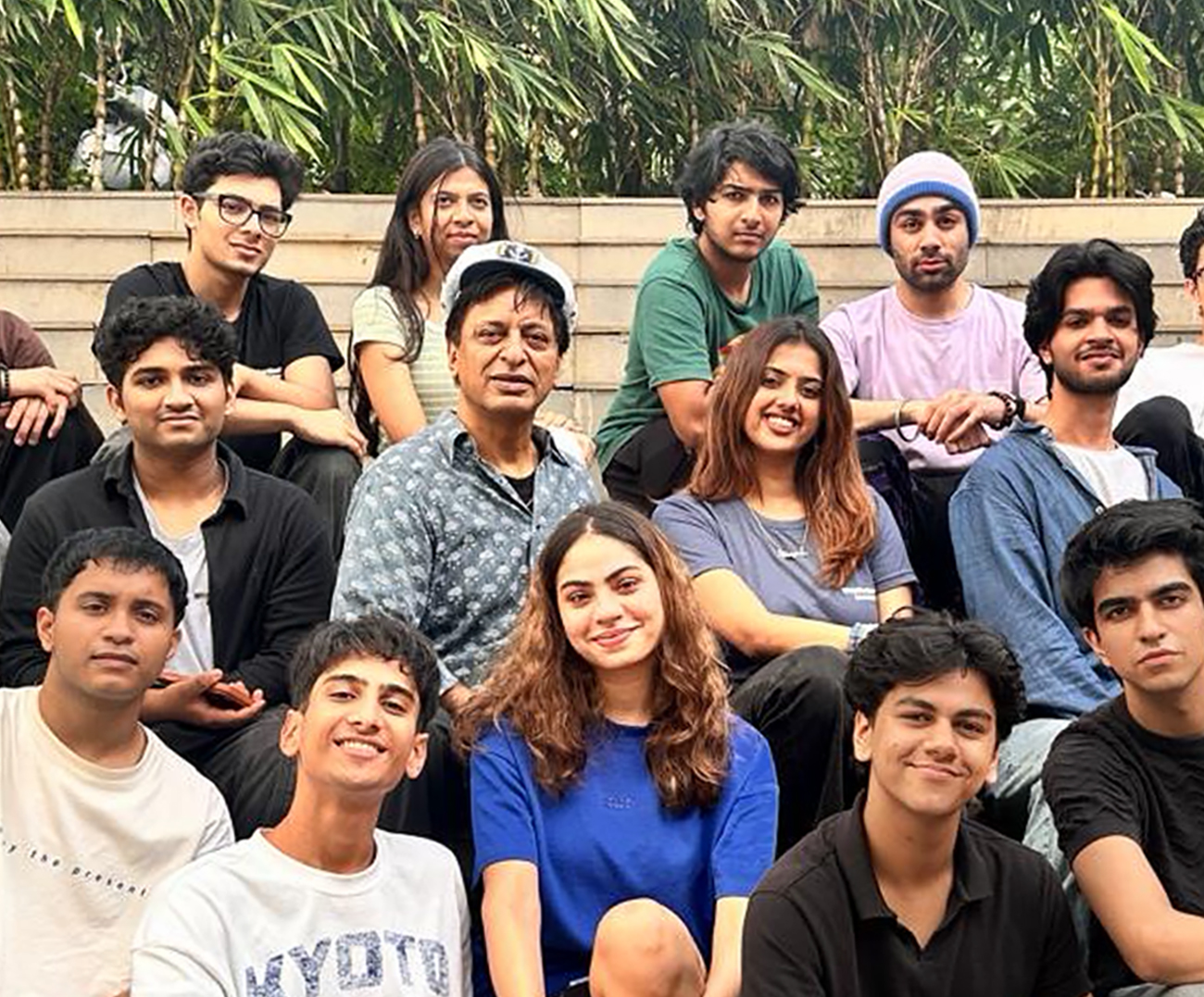
Alok Ulfat’s Avikal Centre for Performing Arts in Dalanwala, Dehradun is the first intimate theatre of the region and has continuously created opportunities for aspiring artists. I have seen his students and friends often come up to him expressing gratitude for changing their perspectives and shaping their lives. Parth Joshi, Vinay Shukla, Rupesh Tillu, Manyu Doshi, Ashu Satvika Goyal, Kuldeep Shah, Karan Takker, Sushil Ranakoti, Raman Rawat, Nupur Agarwal, Shubham Sharma are some of them.
Alok’s performances, festivals and workshops involving professionals, corporates, teachers and cultural workers kept us connected. He has gathered vast experiences with his extensive work at National School of Drama, Film and Television Institute of India, Whistling Woods International, Doon school, Welham school, British school, Woodstock school, American School, colleges, universities, education for underprivileged children and women including those with special needs. He work has also reached the Dehradun Jail, tribal communities, monasteries, defence forces personnels, community-development centres, Van Gujjar communities of Rajaji National Park, Sakya Tibetan Monastery, Rashtriya Indian Military College, YMCA Mumbai, overseas learning initiatives in Europe, Canada and Southeast Asia like the Chula Right Livelihood Summer School in Chulalongkorn, University Bangkok. This has given him a fluent capability to work with plural values.
Alok Ulfat’s journey continues, alive with ideas to explore, children to nurture, and discoveries to share. His concerns for humanity and the natural world find expression in his evolving approaches to education, “Life in Learning” and “Natural Intuitive Learning.” Yet, beyond his roles and achievements lies a human being still questioning, discovering, and becoming. His life is best understood by engaging in his activities and experiencing the ongoing journey of learning, unlearning, and renewal.
Alok Ulfat is a source of abundant creativity and spontaneity. I feel that like-minded individuals should take the opportunity to join creative initiatives or invite him to join yours.
Happy Birthday Alok of the Doon Valley !!!