Garhwal Post Bureau
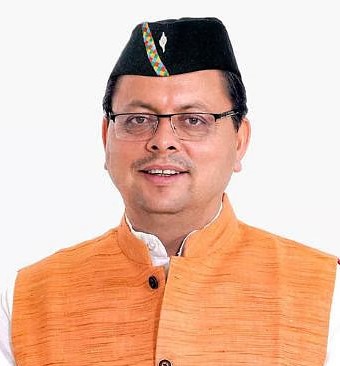
Dehradun, 21 Aug: Chief Minister Pushkar Singh Dhami today directed all the district administrations to ensure that ex-gratia payments to the families of disaster victims are disbursed within 72 hours of a reported death. He emphasised that any delay in this regard would be unacceptable, and in cases where identification or procedural issues arise, the compensation must be released within a week without fail. This directive is aimed at ensuring timely relief to the affected families.
Following the CM’s instructions, Secretary, Disaster Management and Rehabilitation, Vinod Kumar Suman, convened a virtual meeting with all the DMs today to communicate the urgency and seriousness of the directive. He reiterated that the CM is personally monitoring the situation across the state and is issuing continuous instructions to ensure preparedness and swift action during the ongoing monsoon season. In view of the India Meteorological Department’s orange alert for the coming days, Suman instructed the officials to remain vigilant and to regularly monitor the water levels of rivers and streams, especially in vulnerable regions.
During the meeting, the Secretary also reviewed the monsoon-related damages reported so far and asked the district authorities to submit comprehensive reports detailing departmental losses. He insisted that these reports are crucial for preparing proposals to seek additional financial assistance from the Central government under the State Disaster Response Fund (SDRF) and State Disaster Mitigation Fund (SDMF). He also sought updates on the utilisation of funds under SDRF, non-SDRF, and SDMF heads, stressing that adequate funds are available with the districts and must be deployed promptly for relief, rescue, and rehabilitation efforts.
Vinay Kumar Ruhela, Vice Chairman of the State Advisory Committee of the Disaster Management Department, also participated in the meeting on virtual basis and stressed upon the need for heightened alertness across all districts, given that nearly one and a half months of the monsoon season still remain. He directed that signage be installed in landslide-prone zones, along riverbanks, and in other sensitive areas to raise public awareness and caution. He emphasised that proactive alertness at every administrative level is essential to mitigate the impact of disasters and to minimise loss of life and property. Ruhela further instructed the DMs to conduct daily review meetings on disaster preparedness and suggested the formation of WhatsApp groups for school and college students, as well as local traders, to ensure timely dissemination of alerts and safety advisories.
To ensure better ground-level response capabilities, Suman enquired about the formation and functioning of Quick Response Teams in each district. He directed that mandatory review meetings be held on the 1st, 11th, and 21st of every month at the district level and directed that the minutes of these meetings be shared with the Uttarakhand State Disaster Management Authority (USDMA). He also instructed that each tehsil must be equipped with a dedicated rescue vehicle to facilitate swift relief and rescue operations during emergencies.
Anticipating a visit from a seven-member Central government team to assess the damage caused by heavy rains and other calamities, the Disaster Management Secretary directed all the DMs to make thorough preparations to present an accurate picture of the losses incurred. He reminded that the findings of the Central team would play a pivotal role in determining the quantum of compensation and assistance to be provided by the Union Government and therefore it was necessary to present well-documented and verifiable data during the visit.
In light of the ongoing release of water from the Tehri Dam, Suman issued specific instructions to the DM Tehri to notify the downstream districts of Dehradun and Haridwar in a timely manner. He also directed the district administrations of Dehradun and Haridwar to continuously monitor the water levels of the Ganga and to implement precautionary measures as required to prevent flooding and associated risks.
He further sought detailed information from the districts regarding the extent of damage caused during the monsoon season, including loss of human life, livestock, and property. He reiterated the CM’s directive that there must be no delay in the disbursement of financial aid to affected individuals. He also reviewed the dissemination of alerts and warnings issued by the State Emergency Operations Centre (SEOC) and instructed that each village level WhatsApp group must include at least 20 members, including the village head and sarpanch. He affirmed that USDMA is committed to ensuring that every citizen receives timely alerts and information, and that the role of district administrations is central to achieving this goal.
Additional CEO (Administration) Anand Swaroop emphasised on the need for the districts to maintain updated records of disaster related data so that it can be readily shared with the Central government and the Ministry of Home Affairs when required. He also called for reports on fund utilisation and proposals for additional financial support where necessary. DIG Rajkumar Negi, Additional CEO (Implementation), suggested that lessons from the Dharali disaster be used to develop a robust alert mechanism by identifying sensitive residential areas along riverbanks in all districts. He further recommended that all unused helipads be audited and kept in readiness for activation during emergencies.
The meeting was also attended by many senior officials including Additional Chief Executive Officer Anand Swaroop, Additional CEO (Implementation) DIG Rajkumar Negi, Dr Pooja Rana, Rohit Kumar, Hemant Bisht, Dr Vedika Pant, and Tandrila Sarkar.