Garhwal Post Bureau
Dehradun, 7 May: Answer sheets in universities and affiliated colleges operating under the Higher Education Department will now be evaluated through an on-screen digital evaluation system (On-Screen Marking). This initiative will make the examination evaluation process more transparent, faster, and error-free. The implementation of the on-screen marking system will also help in the timely declaration of examination results, directly benefiting students. Instructions have already been issued at the government level to implement the on-screen digital evaluation system in universities from the current semester (January 2026).
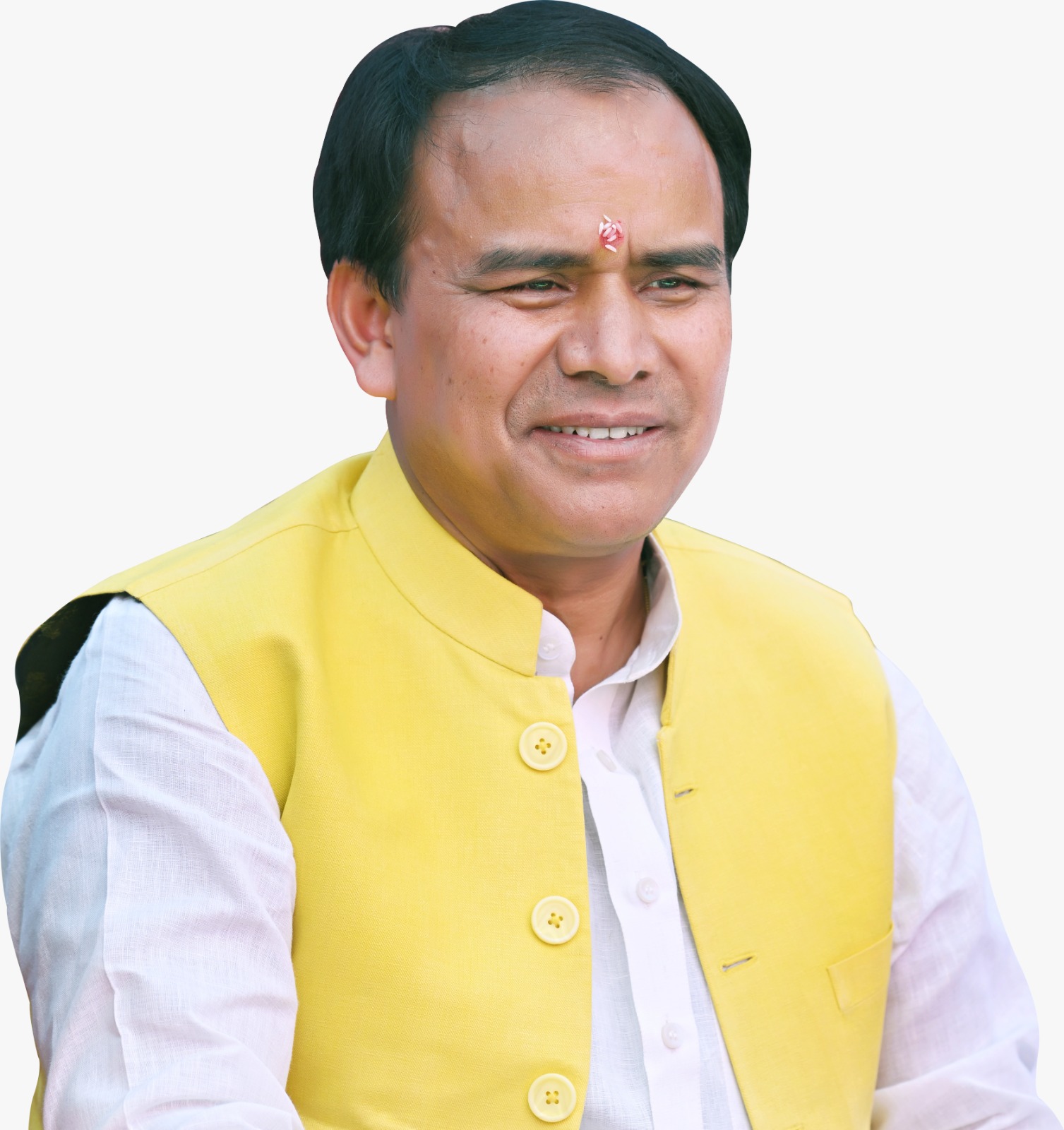
State Higher Education Minister Dr Dhan Singh Rawat stated that significant reforms have been introduced in the examination system of state universities and affiliated colleges under the Higher Education Department, and the evaluation of answer sheets has now been fully digitised. All types of university examination answer sheets will now be assessed through the On-Screen Marking (OSM) system, ensuring greater transparency, speed, and accuracy in the evaluation process. He added that this system would also reduce the cost of physical transportation of answer sheets and help declare results on time.
The minister said that this decision was taken considering issues in the traditional physical evaluation system, including lack of transparency, delays in re-evaluation, and challenges related to the secure handling of answer sheets. He further stated that all state universities have been directed by the government to implement the on-screen digital evaluation system for examinations from the current semester (January 2026).
Dr Rawat said that after the implementation of the National Education Policy-2020 and the semester system, the workload related to examinations in universities and affiliated colleges has increased significantly. With the digital evaluation system, the entire coordination process will now become automated, reducing manual intervention.
He further stated that digitisation of evaluation will increase teachers’ participation, as they will be able to evaluate answer sheets from their own institutions, ensuring that regular teaching activities in colleges and universities are not disrupted. In addition, digital records of answer sheets will remain securely stored, making it easier to address students’ re-evaluation-related concerns in the future.
Dr Rawat added that universities have been instructed to ensure the availability of necessary technical resources and training so that the new digital evaluation system can be implemented effectively and smoothly.