By Arun Pratap Singh
Garhwal Post Bureau
Dehradun, 29 May: In a significant administrative development, the Uttarakhand Horticulture Department has, for the first time since the state’s formation, been given a permanent departmental director. Ever since the formation of the state and creation of independent horticulture department outside the control of state agriculture department, directors have been appointed on interim or deputation basis. This long-delayed appointment from within the department on a permanent basis is being viewed as an important step towards bringing stability, accountability and technical leadership to a department that directly affects the livelihood of thousands of farmers across the hill state.
Despite horticulture being projected for years as one of Uttarakhand’s most promising sectors, the department has functioned without a permanent departmental head throughout its nearly 26-year history. The post of director has been routinely filled either through deputation from Dr YS Parmar University of Horticulture and Forestry in Himachal Pradesh, officers associated with NABARD, or from among IAS and Indian Forest Service cadres, resulting in frequent administrative changes and the absence of long-term technical vision within the department itself.
Unlike the Agriculture Department, which has comparatively enjoyed a more structured administrative setup in Uttarakhand, the Horticulture Department has largely functioned on an ad hoc basis despite repeated government claims of transforming the state into a major horticulture hub with immense potential in fruit cultivation, floriculture, mushroom farming, medicinal plants and protected cultivation through polyhouses.
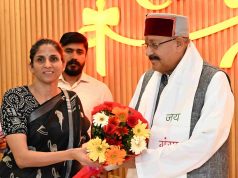
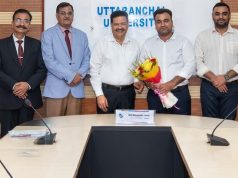
The longstanding administrative vacuum has now ended with the promotion of Dr Rakesh Kumar Singh from Additional Director to Director of the department. Dr Singh had fulfilled the eligibility conditions for the post long ago, but the appointment remained pending for months due to slow bureaucratic movement of files. The government has now formally issued the order and Singh has taken charge as the department’s first permanent director drawn from within its own cadre.
The appointment assumes significance at a time when the department has often come under criticism over the functioning and implementation of various horticulture schemes. Over the years, several ambitious programmes including State Horticulture Mission, Mission Apple, Mission Kiwi and the polyhouse scheme were launched with the stated objective of increasing fruit production, promoting diversification in agriculture and improving farmers’ incomes in the mountainous regions of the state. However, allegations have frequently surfaced that the benefits of these schemes do not adequately reach genuine and needy beneficiaries at the grassroots level.
There have also been recurring complaints regarding large-scale scams, financial irregularities and alleged favouritism in the allocation of subsidies and benefits under horticulture schemes. Insiders and many genuine horticulturists in Uttarakhand have alleged that influential and affluent farmers, including politically connected individuals including prominent politicians themselves, often emerge as the principal beneficiaries of subsidy-driven schemes, while small and marginal farmers struggle to access assistance or technical support. The farmers also claim that the department has faced undue political interference in its functioning resulting in a rather unutilised potential in the horticulture sector.
The absence of stable departmental leadership has long been cited as one of the major reasons behind weak monitoring mechanisms, inconsistent policy implementation and poor accountability in the sector. Farmer groups and departmental employees have repeatedly argued that a technical department such as horticulture requires experienced professionals from within the field rather than temporary administrative arrangements through deputation or officers lacking specialised horticultural expertise. It may also be reminded here that several of the officers who joined the department on deputation from other states faced serious charges of irregularities in procurement of seeds, planting material such as saplings, hybrid plants and bulbs and in cash crop planting materials such as ginger rhizomes, etc., resulting in losses for the farmers. So called hybrid cultivars (Varieties) of fruit plants purchased by the farmers from the department or its empanelled nurseries have after plantation turned out to be non-genuine cultivars or inferior varieties. Sources within the department assert that some officers on deputation did try to improve the functioning of the department but they were ultimately targeted by the bureaucracy and shunted out.
Horticulture continues to be regarded as one of the most viable economic options for Uttarakhand’s hill districts, where conventional agriculture faces severe limitations because of fragmented landholdings and difficult terrain. Successive governments have highlighted the potential of high-value crops, off-season vegetables, apples, kiwis, flowers and medicinal plants as instruments for reducing migration and improving rural incomes. Yet, the gap between policy announcements and actual delivery on the ground has remained a persistent concern.
The appointment of Dr Singh has generated optimism among the farmer organisations and employees within the department, who believe that a permanent director with extensive field experience and institutional knowledge may help strengthen implementation of schemes and improve responsiveness to the real needs of cultivators. There is also hope that stable leadership could improve transparency, ensure more effective monitoring of subsidy programmes and bring greater accountability in the utilisation of public funds. The officials and stakeholders now expect the department to move beyond ad hoc functioning and focus on developing a long-term horticulture strategy suited to Uttarakhand’s unique climatic and geographical conditions.