Garhwal Post Bureau
Dehradun, 31 Mar: The Uttarakhand Health Department has formalised a comprehensive medical roadmap for the upcoming Char Dham Yatra, scheduled to begin on 19 April. This move is aimed as a major push to ensure a safe and seamless pilgrimage for millions of devotees. The Health Department is currently putting the final touches on medical arrangements across all primary travel routes and transit camps. As part of this extensive healthcare strategy, a detailed roster has been prepared for the deployment of approximately 1,350 doctors and paramedical staff who will be stationed at various halts and key locations to provide round-the-clock services. These dedicated teams, operating under the jurisdiction of the respective Chief Medical Officers (CMOs) of the districts, are tasked with providing immediate treatment during emergencies, ensuring that the health needs of pilgrims are met without delay.
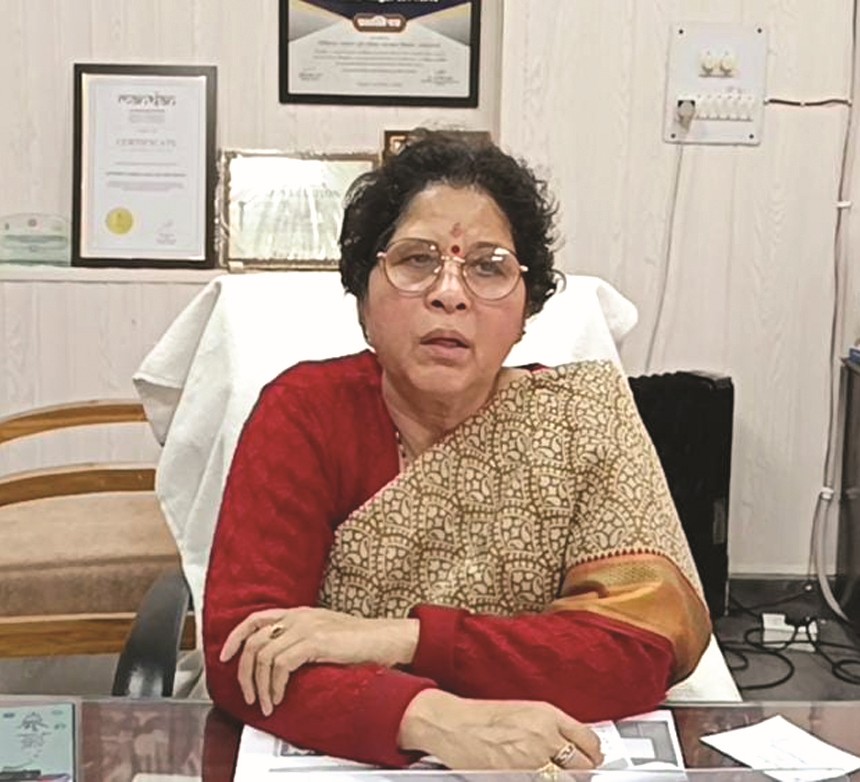
In a statement issued today Dr Sunita Tamta, Director General (DG), Health and Family Welfare, stressed that providing top-tier medical facilities remains the highest priority for the administration during the yatra season. In order to ensure quality health care, specialist doctors from both the government and the private medical colleges will be integrated into the service delivery system. Furthermore, the department is in the process of establishing 25 Medical Relief Posts at strategic intervals along the high-altitude routes to facilitate rapid medical intervention. Strict protocols for health screening and medical check-ups are being implemented at major entry points, complemented by the display of essential health advisories to keep devotees informed and cautious about the physical demands of the journey.
Dr Tamta also shared that a critical component of this year’s preparation involves specialised training for the medical professionals to tackle the unique physiological challenges posed by the high-altitude Himalayan terrain. Ahead of the pilgrimage, the doctors and the para-medics are undergoing intensive orientation at district-level facilities and premier medical colleges in the capital to sharpen their expertise in managing conditions such as respiratory distress, extreme fatigue, blood pressure fluctuations, and cardiac emergencies. This rigorous training programme is designed to ensure a swift and effective response to life-threatening situations in thin-oxygen environments. Through these robust structural arrangements and specialised training modules, the health department claims to offer a significantly more secure and efficient healthcare experience for the vast influx of national and international pilgrims expected this year.