By Arun Pratap Singh
Garhwal Post Bureau
Dehradun, 26 May: Hemvati Nandan Bahuguna Garhwal Central University has achieved a significant and historic milestone in the international scientific community, as seven research publications from its Nuclear Research Laboratory have been cited and included in the prestigious 2024 global report, ‘Sources, Effects and Risks of Ionizing Radiation’, which has been published by the United Nations Scientific Committee on the effects of atomic radiation. This research has been led by Prof Dr RC Ramola.
The achievement by the university’s Department of Physics is being viewed as a major recognition of its high-quality scientific research and also reflects the growing global stature of Indian scientists in the fields of environmental radiation, radioactivity and public health.
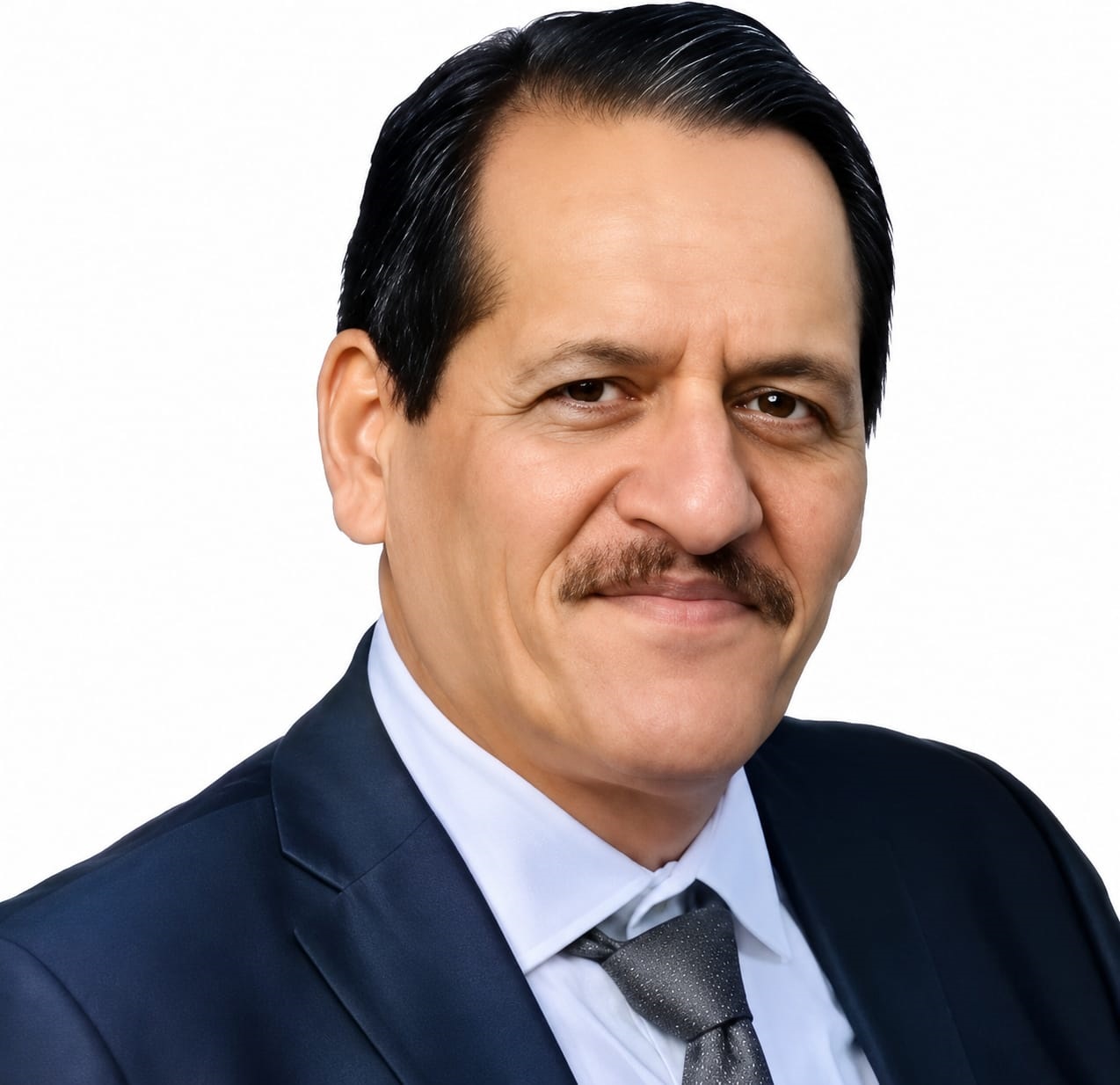
A pivotal role in this accomplishment has been played by senior scientist Prof Dr RC Ramola, who heads the Physics Departments across all three campuses of the university and serves as Senior Professor at the Badshahithaul campus in Tehri Garhwal. Under his leadership, the nuclear research laboratory has carried out pioneering research in environmental radiation studies over the past three decades. Its extensive work on natural radiation, radon, thoron and their health impacts in Himalayan regions has now received international recognition through its inclusion in the UNSCEAR report.
Speaking to Garhwal Post, Prof Ramola stated that for many years, UNSCEAR reports were primarily based on scientific studies and datasets originating from Europe and the United States, while representation from Asian countries, particularly the Himalayan region, remained limited. In an effort to bridge this scientific imbalance, an international collaborative network involving scientists from India, Japan, China, Korea and Thailand was established in 2009. Ramola stated that, from India, he is the sole member of this committee and all the committee members have been engaged in research on the related topic in their respective countries. From India, he has been engaged.
Ramola stated that the research in India led by him and his team on High Background Radiation Areas (HBRA) in India has been published in the most prestigious international journals and has also been referred to in other research papers. Led by Ramola, the researchers conducted extensive studies on radiation levels, radiation risks and environmental impacts in Himalayan regions, resulting in seven research papers from the university being incorporated into the prestigious UN report.
The Nuclear Research Laboratory of the university has remained continuously engaged in research related to environmental radioactivity and radiation science for nearly 30 years now. According to Ramola, during this period, major studies undertaken there include research on radon, thoron, natural radiation levels, radiation risk assessment and associated public health impacts. Today, the laboratory is counted among the leading centres for environmental radiation research in the country.
The university has also established active research collaborations with several prominent national and international institutions, including Bhabha Atomic Research Centre (BARC), Atomic Energy Regulatory Board, Inter-University Accelerator Centre, Hirosaki University and Tokyo Metropolitan University.
Prof Ramola shared that the research carried out by the university’s scientists has already been published in reputed international publishing platforms such as Elsevier, Springer, Nature and Wiley. More than 250 research papers from the laboratory have so far been published in international scientific journals.
The scientists and researchers associated with the studies referenced in the UNSCEAR report include RC Ramola, AA Baurai, Ganesh Prasad, GS Gusain, Bhagwat Rautela, Mukesh Prasad, Mukesh Rawat, Anoop Dangwal, Preeti Pant, Pooja Panwar, Abhishek Joshi, Kuldeep Singh and Poonam Semwal.
Prof Ramola shared with Garhwal Post that the Nuclear Physics Group of the Department of Physics at Hemvati Nandan Bahuguna Garhwal University conducts research with important applications in environmental radiation safety, public health, geological investigations, and material science. This study has made significant contributions to our understanding of natural radiation exposure and its consequences on human health. The findings are important for detecting radiation-prone areas, improving indoor air quality, and establishing safety precautions for persons living in high background radiation areas of the country. Collaborations with reputed national and international institutions have strengthened radiation monitoring techniques and environmental protection programs in the country. In addition, investigations in ion-beam interactions and materials science have applications in advanced materials, radiation detectors, nuclear technology, and space sciences. These research findings are valuable for policy makers, environmental agencies, and health organizations in formulating radiation awareness and protection strategies. This work is significantly important for scientific development and environmental sustainability in the country.
It may be recalled that UNSCEAR is regarded as one of the world’s foremost scientific committees functioning under the United Nations system. It is entrusted with scientifically evaluating the effects of ionising radiation on human health, ecology and the environment. Its reports are widely used by governments, nuclear regulatory authorities, health agencies and policy-makers worldwide while framing radiation safety standards, nuclear safety policies and public health guidelines. In this context, the inclusion of research work from an Indian university in the report is being considered a rare and highly distinguished achievement.
The achievement is being regarded not only as a landmark success for HNB Garhwal Central University but also as a moment of pride for Uttarakhand and the wider Indian scientific community. Recognition of scientific data originating from the Himalayan region in global policy-making processes demonstrates the increasingly influential role being played by Indian universities in international scientific discourse.