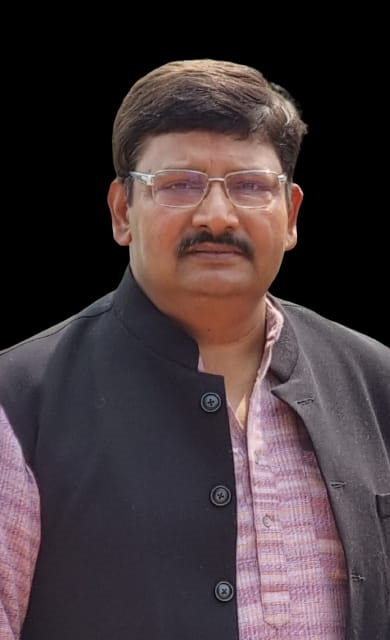
Interview with Deependra Chaudhary
By Radhika Nagrath
As the nation gears up to celebrate International Day of Yoga on 21 June, a quick glance at the initiatives undertaken by the state department of AYUSH shows the emergence of Uttarakhand as a national model in the domain of Ayurveda, yoga and wellness tourism. Initiatives like AYUSH Grams, Panchkarma centres, Wellness Tourism clusters, Medicinal plant hubs, and Integrated Healthcare Systems are becoming a reality in the state. Yoga, Ayurveda and Tourism have become synonymous with Uttarakhand’s emerging global identity. We present a conversation with Deependra Chaudhary, Secretary, Ayush Department, Uttarakhand.
IDY 2025 Highlights
For the first time on this Eleventh International Day of Yoga, Yoga celebrations as per Common Yoga Protocol will be held in the summer capital of Uttarakhand – Bhararisain, also known as Gairsain, Vidhan Sabha campus in a grand manner. Plans are afoot to call the ambassadors of eight countries for the Yoga Day celebrations. Apart from students, political representatives, educationists, a huge gathering of people from different public domains is expected to participate.
From Rishikesh to Uttarkashi and from Pithoragarh to Nainital, yoga retreat centres, naturopathy clinics, and Ayurvedic resorts are being developed. These are drawing not just Indian visitors but also a growing number of international wellness tourists. It is an emerging holistic healing industry, creating employment, revenue, and better health. In tune with PM Modi’s dream of a “Healthy India” and state CM Pushkar Singh Dhami’s vision of a Self-reliant Uttarakhand, Deependra Chaudhary, IAS, Secretary, AYUSH Department, Uttarakhand, has led to this transformation through his “field before file” approach. He believes in on-ground action more than grand announcements.
Knowing the officer – Formative Influences:
Staying away from the spotlight and believing in tangible results, the officer has given a new perspective to governance through his disciplined and humble demeanour, fulfilling every responsibility with a strong sense of public welfare. Born into a modest farming family, his father was a soldier and his mother a homemaker. The only son among five sisters, he imbibed values of simplicity, self-reliance, and self-respect from an early age beginning his education at Saraswati Shishu Mandir, learning discipline at Sainik School, Ghorakhal, and went on to complete a Bachelor’s in Science from Nainital and completed an MBA from Lucknow University. His strong resolve to serve society led him toward civil services.
Having served in several districts of Uttar Pradesh and Uttarakhand, Deependra Chaudhary has tackled complex challenges—from urban traffic systems to remote schools, from forest rights issues in the hills to sensitive departments like mining and excise. Currently, he is Secretary of AYUSH and handles AYUSH Education, Sainik Welfare, and Secretariat Administration. He firmly believes that Uttarakhand’s natural wealth, traditional healing systems, and rich medicinal flora can make it the global capital of AYUSH, provided it is supported by scientific research, higher education, and effective management.
A unique effort
Uttarakhand is fast emerging as a leader in AYUSH (Ayurveda, Yoga, Unani, Siddha, and Homeopathy). Under his stewardship, AYUSH department is being positioned not just as a medical system but as a catalyst for rural development, employment, tourism, and holistic education.
Recently, the Uttarakhand AYUSH Policy 2024 was implemented, offering special policy incentives and exemptions to promote investment in AYUSH industries, making it unique in the country. In a recent Cabinet meeting chaired by the Chief Minister, the country’s first dedicated Yoga Policy was also approved. These efforts are gradually shaping Uttarakhand into a model “AYUSH State,” not just for India but the world.
From Ayushman Aarogya Mandirs to AYUSH Grams, wellness tourism, cultivation of medicinal and aromatic plants, organic farming, and integrated healthcare initiatives—everything is being brought to ground-level implementation.
Some excerpts from the interview:
What is the current status of the AYUSH Department in Uttarakhand?
Uttarakhand is rich in natural and medicinal resources. We have 770 government Ayurvedic medical officers, 117 Homeopathic doctors, and 4 Unani doctors serving even in remote areas. Over 300 doctors are also working under schemes like the National AYUSH Mission, NHM, RSBK, and RCH. AYUSH health centres are operational in every district. Under the Umbrella System, AYUSH wings have been established in primary health centres. Educational institutions are also being modernised. Under CM Dhami’s leadership, AYUSH has gained momentum and direction.
What new initiatives have been taken by the state leadership?
The Chief Minister of Uttarakhand has made AYUSH a state priority. It is now seen not just as a medical stream, but a tool for holistic development—be it wellness tourism, herbal farming, or entrepreneurship. His vision is to make Uttarakhand a model “AYUSH State.”
What is the concept of “AYUSH Pradesh”?
It means integrating AYUSH into all areas—education, healthcare, employment, and tourism. The “AYUSH Gram” initiative includes Panchakarma and wellness centres, yoga centres, herbal farming, and lifestyle-based health promotion. These initiatives are progressing rapidly under CM Dhami’s leadership.
What has been done for AYUSH education and employment?
The state’s Uttarakhand Ayurved University, recognised by UGC and relevant national commissions, oversees premier institutions like Rishikul Ayurvedic College (est. 1919) and Gurukul Ayurvedic College (est. 1921). The state has 16 private Ayurvedic colleges including Patanjali, one private Unani and one Homeopathic college, and is developing a new government homeopathy college. The Rishikul campus is being upgraded with 178 crores to match AIIMS-level standards. We promote AYUSH practices, research, start-ups, and industry linkages.
How is AYUSH being promoted in rural areas?
AYUSH is ideal for remote areas where medical access is limited. Through Ayushman Aarogya Mandirs, awareness programmes, and training of locals in herbal remedies and farming, we’re strengthening rural health and livelihoods. AYUSH policy offers incentives and support to promote local industries and self-employment.
How do you balance AYUSH and Allopathy?
We see them as complementary systems. AYUSH units are now established in hospitals at all levels to ensure integrated healthcare. CM Dhami fully supports this holistic approach.
What opportunities does the AYUSH-tourism link bring to Uttarakhand?
Uttarakhand is already a hub for yoga and meditation—hosting institutions like Patanjali Yogpeeth in Haridwar, Sivananda Ashram in Rishikesh, and other wellness centres. We’re promoting wellness tourism including Ayurveda, Panchakarma, and natural therapies, which generate jobs and boost the state economy.
How are the youth being connected to AYUSH?
We are offering training and entrepreneurship opportunities—especially in AYUSH pharma, herbal cosmetics, Panchakarma centres, and yoga resorts. PG diplomas, skill courses, and scholarships are being offered. We want our youth to be practitioners and entrepreneurs.
Tell us about research and innovation in AYUSH.
Over 150 research studies are conducted annually by the University. We organise workshops, CME, seminars, and have signed MoUs with research institutions. Traditional knowledge is being validated through evidence-based studies. Recently, Uttarakhand hosted the World Ayurveda Congress, attracting 10,000+ participants and over 350 companies.
About women’s participation being promoted through AYUSH.
Women’s self-help groups are being trained in herbal processing, natural home remedies, and small-scale wellness products. AYUSH policy gives them priority for incentives. CM Dhami has emphasised women’s empowerment through AYUSH.
How will Uttarakhand become a global wellness destination?
Leveraging our natural beauty and spiritual legacy, we are planning herbal trails, yoga villages, Panchakarma retreats, and international wellness festivals. We are linking wellness tourism with key destinations across the state.
Any private sector participation…?
We welcome private investment under the PPP model. Initiatives include medicinal plant processing units, Ayurvedic product manufacturing, and wellness centres—all supported through AYUSH policy incentives.
What is the futuristic vision of AYUSH?
I believe AYUSH will soon emerge not just as India’s strength but a major pillar of global healthcare systems—rooted in tradition, backed by science, and spread through education and innovation.