By Pragati Chamoli
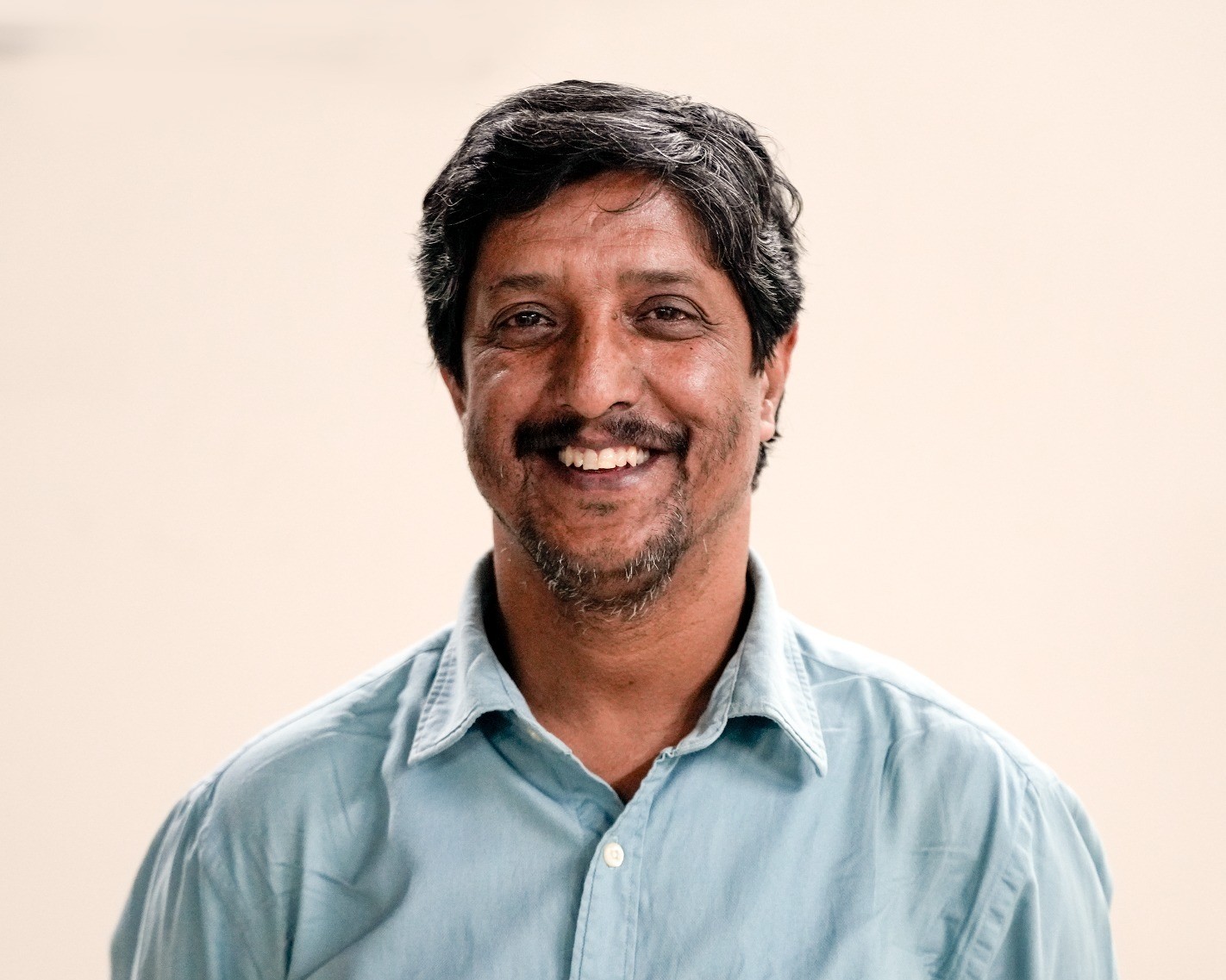
Dehradun, 4 Jun: At Pipalkoti, the gateway to the Alaknanda Valley, when migration, unemployment, and limited resources were being discussed, one person was searching for possibilities in local resources. He believed that, if the forests, fields, herbs, ringal bamboo, and traditional knowledge of the mountains were given the right direction, the picture of the villages could be changed. This very thinking today places Jagdamba Prasad Maithani among the foremost development leaders of the Alaknanda Valley.
On World Environment Day, Jagdamba Maithani will be honoured with the Gaura Devi Environment Award at a ceremony organised in Urgam Valley. This honour is not only for an individual but for the thinking that made local resources the basis of employment and self-reliance.
Born in Naurakh village, Pipalkoti, Dasholi Block of Chamoli district, Jagdamba Prasad Maithani (JP Maithani) received his early education in Chamoli district. Thereafter, he obtained postgraduate education from DBS and DAV Colleges in Dehradun. During his journalism graduation in 1996–97 and later master’s studies, he established SFCID as a social organisation.
Working with women’s groups and youth troubled by the large-scale operation and smuggling of liquor in the region, he formed the Social Army. During the anti-liquor movement, he was falsely implicated in a case and had to spend 22 days in jail. Ultimately, the truth emerged and he was completely acquitted by the court within three months. Along with the anti-liquor movement, he and his team continued working for environmental conservation and public awareness.
Later, through AAGAS Federation (Alaknanda Valley Artisan Federation), he worked to promote handicrafts related to ringal, wood, natural fibres, and local livelihoods. From 2000 to 2004 he actively operated the federation with artisans. Despite challenges, he continued advancing the organisation and local development initiatives.
After the 1999 Chamoli earthquake, he worked for resource-based self-employment, revival of ringal handicrafts, establishment of fruit preservation centres, farmer nurseries, prevention of forest fires, and promotion of trekking and tourism around Pipalkoti.
From 2003 to 2012, as a state-level partner organisation of the Uttarakhand Bamboo and Fibre Development Council, more than 780 ringal artisans were trained, taught new designs, and linked with markets. More than 1,100 artisans received training under various self-employment programmes. Numerous master trainers were developed, and over 32,000 bamboo and ringal plants were distributed free of cost across Uttarakhand.
This work led to the establishment of a Ringal and Woodcraft Growth Centre at Pipalkoti. Between 2004 and 2008, the Badrinath Prasad Tokri Program was launched and operated through collaboration among local institutions.
From 2009 to 2015, integrated fodder development and Himalayan nettle development projects were implemented in 14 Gram Panchayats with support from Tata Trust initiatives. For the first time, Himalayan nettle was cultivated on Panchayat and private lands in the region.
Under JP Maithani’s leadership, and in partnership with Dabur’s Bio-Resource Division and Research Development Centre, more than 1,300 farmers have been connected to medicinal plant cultivation. Large numbers of saplings including Kachnar, Timru, Varuna, Kutaj, Lodhra, Sugandhbala, Talispatra, and Gulbanafsha have been distributed free of cost.
Every year, 8,000 to 12,000 fruit-bearing, ornamental, and fodder species plants are distributed free from the nursery located in the Biotourism Park. The main objective is to provide planting material to interested farmers.
AAGAS Federation also played a significant role during disasters. After the 2013 disaster, 32 mid-term shelters were built. During the 1999 Chamoli earthquake, a community shed was donated to Bemru village, where a school is now operating.
During the COVID period, thousands of kits, gloves, sanitisers, masks, medicines, oxygen cylinders, and concentrators were distributed across several districts of Uttarakhand.
Today, designers from IICD Jaipur, NIFT Kullu, NIFT Delhi, National Institute of Design Ahmedabad, and Symbiosis Pune work with local artisans to develop innovative products from ringal, bamboo, wood, and natural fibres. Students from leading institutions including IIM Kashipur, IIM Ahmedabad, TISS Mumbai, IIT Roorkee, HNB Central University Srinagar, UPES Dehradun, and Doon University visit Pipalkoti for practical learning in rural enterprise, environmental conservation, and livelihood development.
Over the last two years, efforts for orange plantation and conservation have also been undertaken. The Biotourism Park houses genetic banks of numerous bamboo species, ringal species, kiwi, persimmon, peach, apricot, hazelnut, pecan nut, walnut, sandalwood, agarwood, rudraksha, and many others. More than 288 species of grasses, trees, vines, ornamental plants, and forest species are conserved there.
Currently, the Shabdaja Library and Mitra Van Program are being operated in Pipalkoti.
Awards received include World Bank Recognition Award (Washington) – 2005; Second Prize in National Sita Ram Rao Case Study Competition; Tree of Earth Award – Earth Day Network – 2009; Dadhichi Peak Award – 2017; Uttarakhand Ratna Award – 2019; Uttarakhand Environment Award (Green Warrior) by Times of India – 2022; Corona Warrior Award by Chief Minister – September 2021; Environment Award by Manpreet Kaur Trust – 2023; Medicinal Plant Conservation Award by Dabur India – 2026; The Pride of Himalaya Award – 2026.