By OUR STAFF REPORTER
Haridwar, 17 July: TB is caused by bacteria (Mycobacterium tuberculosis) and it most often affects the lungs. TB is spread through the air when people with lung TB cough, sneeze or spit. A person needs to inhale only a few germs to become infected.
According to WHO, over 1 crore people worldwide were affected in the year 2022 by this disease. Despite being a preventable and curable disease, many people die from TB each year – making it the world’s one of the top infectious killers. It is prevalent in almost every country, and in India, a government initiative has been in place since 1962 to combat TB, providing free medications to patients.

Acharya Balkrishna of Patanjali said, today, that the current treatment modalities include the limited bio availability of anti-tubercular drugs and the propensity of the bacteria to develop single- or multi-drug resistant. Also, the long treatment period of anti-tubercular drugs induces drug-associated hepatotoxicity. All this makes it apparent that there is a desperate need for new TB drugs or adjunct therapy that make the existing line of treatment more effective.
In a significant move towards developing herbal medicines for tuberculosis (TB) treatment, a recent study at Patanjali has highlighted the potential of Solanum virginianum extract (SVE) or ‘Chhoti Kateli’ as anti-tubercular therapy. This research is part of an initiative aimed at developing herbal therapies that can either stand alone or complement existing anti-TB drugs, with defined mechanisms of action and herb-drug synergism.
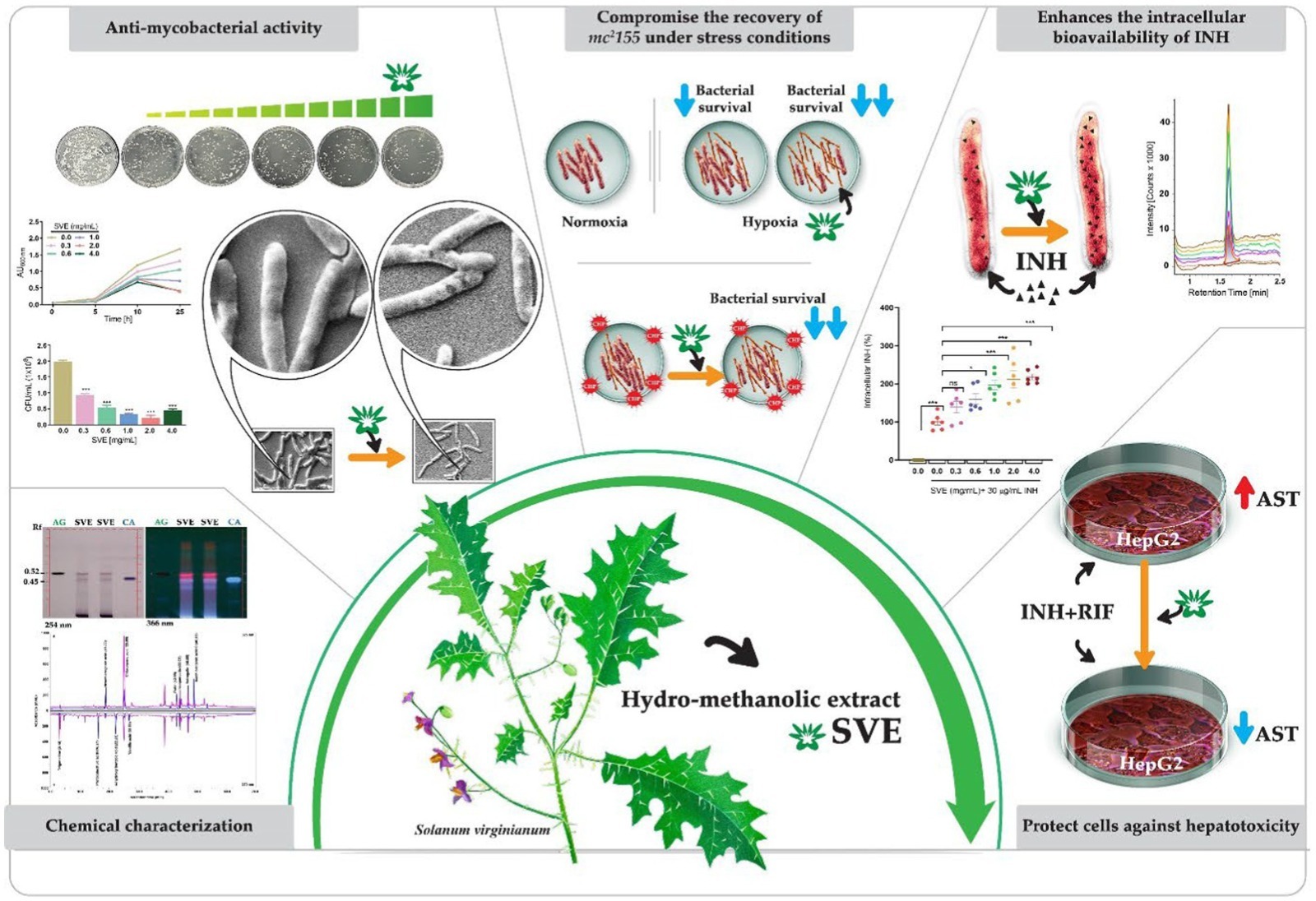
The current study tested the biological activity of SVE in Mycobacterium smegmatis, mc2 155, a model system for the investigation of Mycobacterium tuberculosis (Mtb) showed that bacteria treated with SVE exhibited reduced growth and viability, indicating the extract’s anti-tubercular effects.
Advanced techniques like SEM and TLC-based classical metabolomic approaches revealed that SVE treatment altered the microarchitecture of the bacterial cells and compromised the integrity of the bacterial cell wall. The study further employed a targeted metabolomics approach using UPLC/QToF-MS to detect and quantify intracellular isoniazid (INH) in a complex biological matrix of bacteria which showed that SVE increased the bioavailability of the modern TB drug isoniazid (INH), enhancing the bacteria’s sensitivity to the drug and improving its efficacy.
In cell line-based infection experiments, the combination of SVE and INH significantly increased bacterial mortality. Additionally, SVE exhibited hepatoprotective effects in human liver cells.
Acharya Balkrishna said Patanjali is delighted to announce that this research has been published in the renowned peer-reviewed journal, ‘Frontiers in Microbiology’. This groundbreaking research lays the foundation for future studies on the anti-mycobacterial properties of Chhoti Kateli extract, offering new hope in the fight against tuberculosis.
Patanjali feels honoured to have initiated this groundbreaking research. The organisation is committed to spreading the knowledge and science of Ayurveda globally and to liberating people from curable and incurable diseases.
All the scientists and employees at Patanjali are driven by the goal of reviving the golden era of Ayurveda and ensuring that India’s ancient heritage resonates worldwide.