
Ending the Cycle of Stampedes:
 By Paramjit Singh Kakkar
Stampedes at religious gatherings in India are recurring and deeply troubling, routinely claiming lives and causing widespread trauma. While spirituality and devotion are deeply ingrained in the nation’s culture, the repeated loss of life, points towards a severe systemic failure in crowd management and a dire need for urgent reform. Religious gatherings account for majority of total fatalities in stampedes in India. Current Haridwar and Barabanki temple stampedes on consecutive days on 27 & 28 July 2025, where ten lives, combined together, were lost due to overcrowding, serves as another grim reminder of the persistent dangers and the urgent need for a change in approach.
The phenomenon behind these stampedes is multifaceted, encompassing psychological, social, administrative, and infrastructural factors. The sheer volume of devotees, sometimes numbering in the millions at major events, can easily overwhelm existing infrastructure, which often consists of narrow pathways, limited entry/exit points, and flimsy barricades, especially at older religious sites.
Beyond the immediate human element, administrative and managerial failures play a crucial role. Inadequate planning, underestimation of crowd sizes, and insufficient deployment of security personnel have been recurring themes in inquiries following past tragedies. A lack of inter-agency coordination between various stakeholders, including police, district administration, temple authorities, and medical teams, exacerbates the problem during emergencies.
Beyond the immediate casualties, stampedes inflict severe physical injuries and leave lasting psychological scars on survivors and witnesses. The economic hardship faced by families who lose primary earners, particularly among lower-income communities, is immense. Furthermore, the erosion of public trust in the ability of authorities to ensure safety at religious sites is a concerning social impact.
The Urgent Need for Responsible Crowd Management
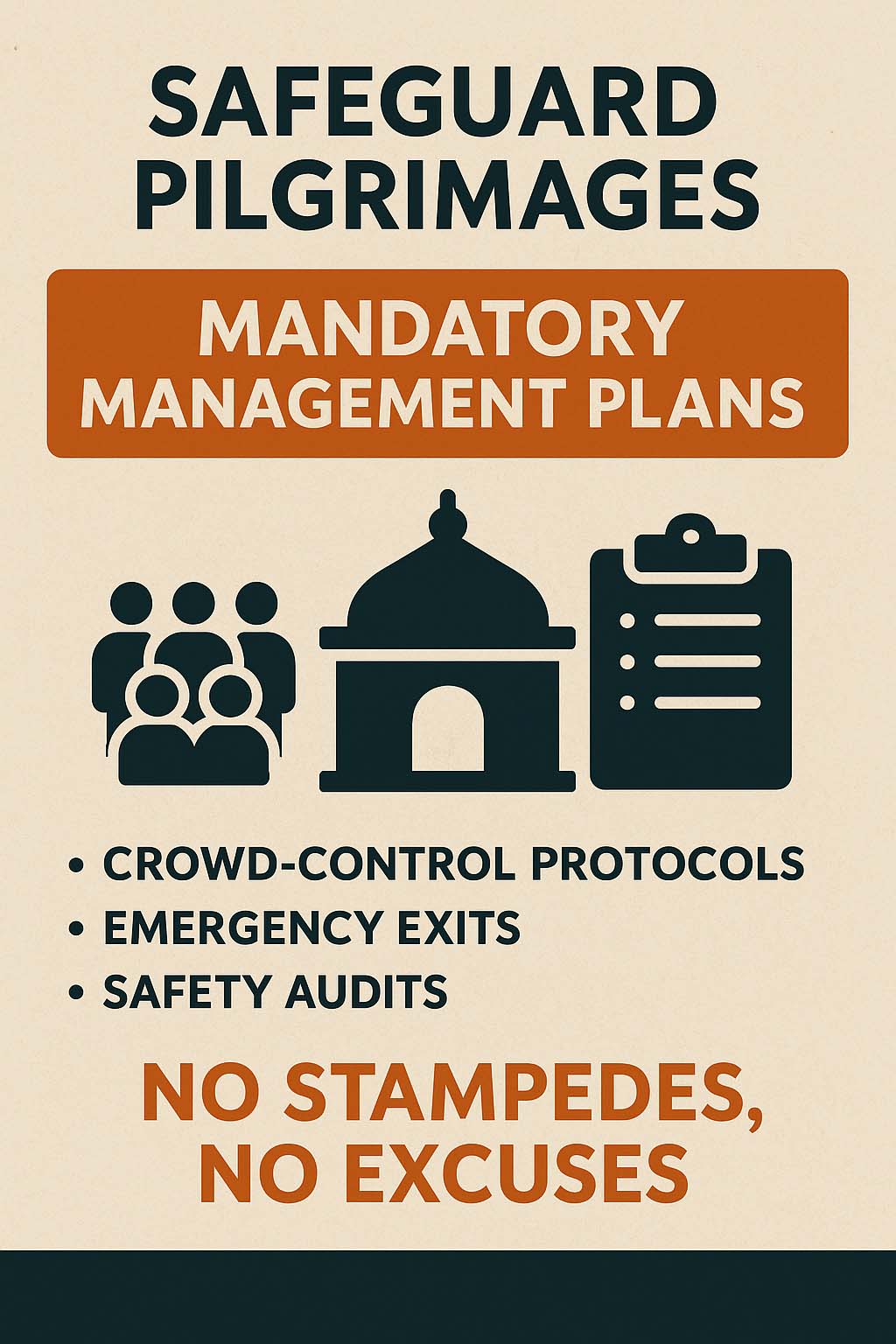
The government must move beyond inquiries and shallow responses to implement stringent measures, prioritising the safety of devotees above all else. This requires a fundamental shift in how religious gatherings are planned, managed, and regulated:
- Mandatory Capacity-Based Regulation: The government must enact and strictly enforce laws mandating pre-event risk assessments (HRVA – Hazard, Risk and Vulnerability Analysis) for all mass gatherings. Strict limits on crowd capacity, based on the venue’s infrastructure and exit capabilities, must be imposed and adhered to. This capacity should be determined by safety standards, not the expected attendance.
- Legal Accountability and Penalties: A system of strong penalties and legal liability must be established for organisers and authorities who fail to comply with safety protocols and crowd management guidelines. This includes substantial fines, revocation of event permissions, and even penal action for negligence contributing to incidents.
- Real-time Monitoring and Enforcement: Leverage technology for real-time crowd monitoring using AI-based systems, CCTV surveillance, and drones to identify potential bottlenecks and overcrowding. This data must trigger immediate interventions, including regulating inflow and outflow, diverting crowds, or halting entry if capacity is breached.
- Standardised Emergency Protocols: Develop and implement standardised, well-rehearsed emergency protocols, including evacuation plans, communication systems, and designated medical facilities at every religious gathering venue. Regular mock drills involving all stakeholders—including police, organisers, and volunteers—are critical to ensuring readiness.
- Infrastructure Upgrades and Safety Certifications: Mandate immediate widening of pathways, ensuring adequate and well-marked emergency exits, implementing robust barricading, and providing sufficient lighting and ventilation. Venues must undergo stringent safety inspections and obtain certifications before hosting large gatherings.
- Public Awareness Campaigns: Launch comprehensive and sustained public awareness campaigns to educate devotees. This should include clear information on potential risks and safety measures associated with overcrowding.
- Training and Professionalism: Invest in comprehensive training programmes for all personnel involved in crowd management, including law enforcement, temple authorities, and volunteers. Training should emphasise specialised skills, effective communication, and sensitive on-ground interventions to handle crowds with professionalism.
- Inter-Agency Coordination and Unified Command: Ensure seamless coordination and accountability among law enforcement, local administration, temple authorities, and medical teams.
The safety of devotees is paramount, not the number attending. This fundamental truth must be understood and embraced by organisers and the administrative setup of the government.
By taking these strong, proactive measures, India can finally put an end to the cycle of avoidable tragedies and ensure that its rich religious traditions can be celebrated safely and respectfully.
(The author is associated with ‘PRAMUKH’-NGO and Nature Science Initiative Trust)


