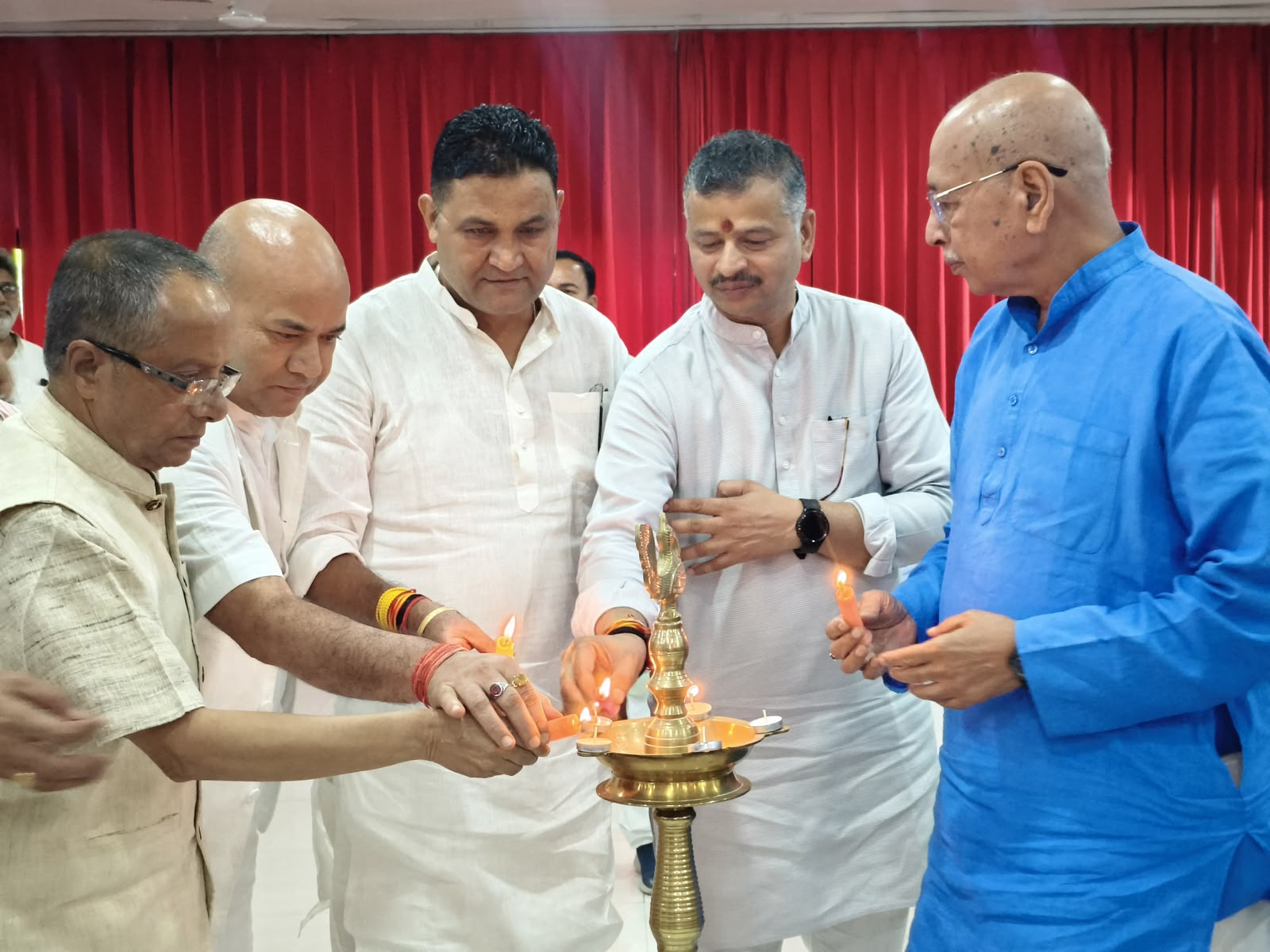
Addressing a water seminar organised by Ganga Samagra Dehradun on Saturday as the chief speaker, Shailendra said the natural disaster that struck Dehradun last year had brought to the fore the seriousness of construction activities in areas through which natural water channels flow. At several places, hotels, houses and other structures had come up even in the river’s flow areas. He said the tendency to obstruct natural streams and convert them into drains and sewage channels needed to be examined seriously.
He said schemes for water conservation and rainwater harvesting should not remain confined to paper. Arrangements for recharging groundwater through rainwater had yielded positive results, he said. Stressing the need for judicious use of water, Shailendra said potable water should primarily be used for drinking, while water of comparatively lower quality could be utilised for bathing, washing clothes, cleaning and irrigation. He said technologies such as drip irrigation could help improve water-use efficiency in agriculture. Shailendra also described plastic pollution as a major challenge and said the increasing use of plastic bottles and accumulation of other waste at pilgrimage centres and during religious journeys was a matter of concern. Merely conducting cleanliness drives would not be sufficient and efforts must also be made to prevent polluting materials from reaching religious places. He called upon saints, religious leaders and religious institutions to create greater awareness among people about environmental protection.
Environment Protection and Climate Change Minister Ram Singh Kaira said water conservation must begin at the household and village levels. He said protection of water sources, cleanliness of rivers, better waste management and environmental conservation were among the government’s priorities. Along with cleaning riverbanks, it was equally important to ensure that garbage, wastewater and plastic did not reach the rivers, he said.
Kaira said work was being undertaken for rainwater conservation and protection of small water sources, streams and catchment areas. “Only when water sources are protected will rivers and the environment remain safe,” he said. He called upon people to take a pledge to keep the Rispana, Bindal and Suswa rivers, along with other water sources, clean. Kaira said several naulas and springs in the hilly areas were on the verge of drying up. Along with plantation, emphasis was also being laid on the protection and revival of natural water sources, he said.
Ganga Samagra national organising secretary Ramashish said conservation of the Ganga was not merely an issue of environmental or water conservation but a question linked to life, culture and the future. He said major rivers were formed by numerous small streams and tributaries and, therefore, protecting the entire water system was essential for saving the Ganga. The Ganga could not be viewed merely from the perspective of its stretches at Haridwar, Rishikesh, Prayagraj or Varanasi, he said.
He said changes in glaciers, changing rainfall patterns and excessive exploitation of groundwater were affecting the natural water cycle. In such circumstances, special attention needed to be given to the conservation of small streams, water sources and river catchment areas. He also described unplanned development and distorted forms of religious devotion as challenges to river conservation and stressed the need to make religious practices more environmentally compatible.
Ramashish said the government was undertaking efforts for cleaning the Ganga and improving sewage management, but these initiatives would achieve lasting success only when society also participated actively. Collective efforts were necessary to prevent encroachments along riverbanks, develop green areas, ensure proper disposal of plastic and prevent sewage and industrial waste from entering rivers, he said.
Presiding over the programme, Indian Medical Association national president Dr DD Chaudhary said nature had to be protected collectively, whether in the plains or the hills.
Ganga Samagra members Amrish Kumar, RSS regional social harmony coordinator Lakshmi Prasad Jaiswal, Vibhag Sah Karyawah Arun, Vibhag Sah Pracharak Saurabh, Bharat, Devraj, Manish Bagri, Sarvjeet Ojha and several other dignitaries were present on the occasion.